How to adjust your sleep schedule when clocks fall back
Daylight saving time disrupts your body clock, but falling back is easier than springing forward. Here's how to adjust smoothly.
Visana Studios
6 min read
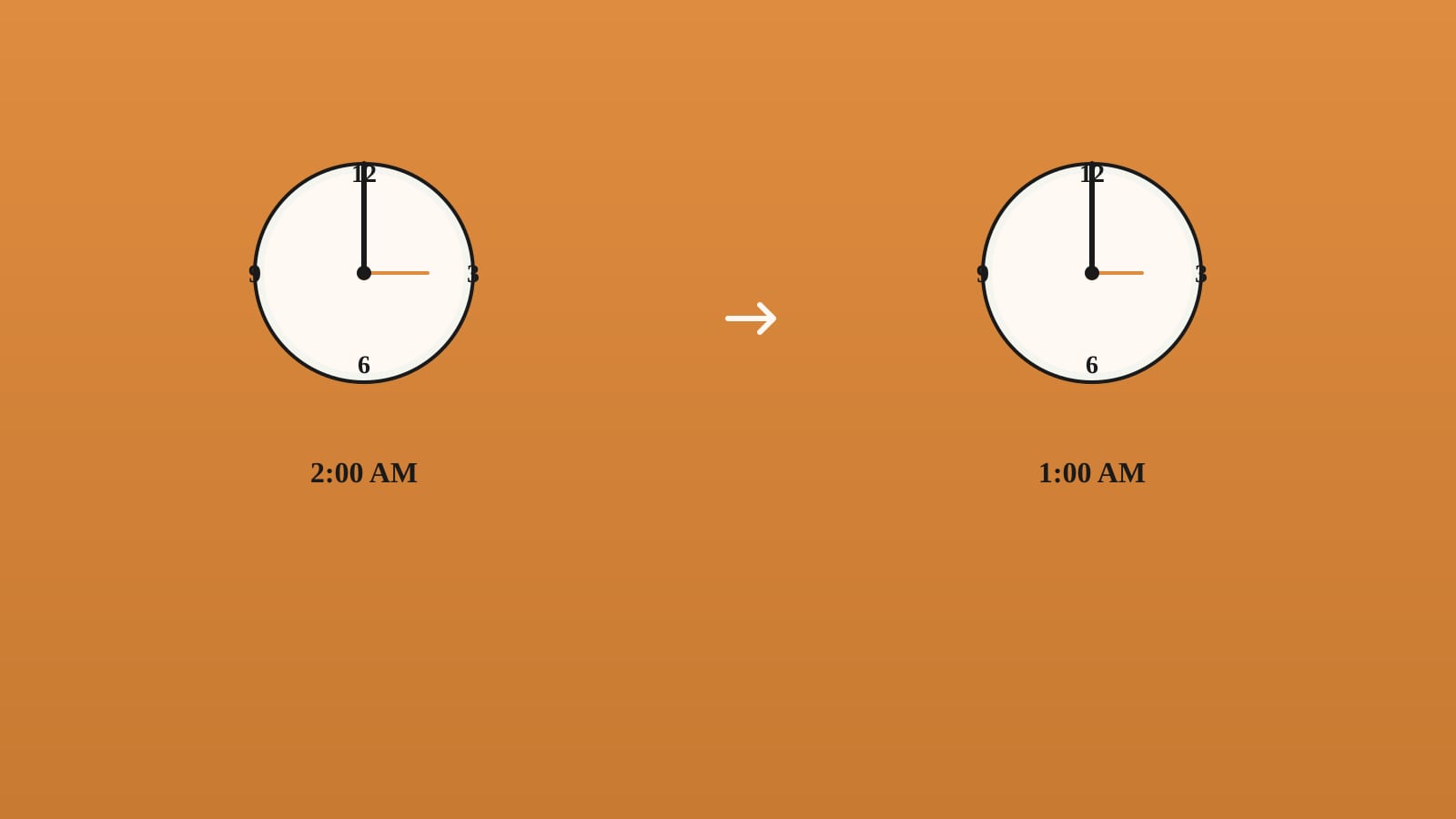
In the early hours of October 25 in Europe and November 1 in the US, your phone and most clocks will shift back one hour. You go to bed at 11 p.m. and wake at what feels like 6 a.m., but the clock reads 5 a.m. On the surface, it sounds like you gained an hour of sleep. In reality, your body has no idea what just happened.
Your circadian rhythm, the internal clock that regulates when you feel alert and when you feel sleepy, is set by the sun, not by your phone. When daylight saving time ends and the clocks fall back, the sun rises later than your body expects. The time change is sudden, but your internal clock is not. Adjusting takes a few days, and your sleep schedule suffers in the meantime.
Falling back is easier than the spring change, when an hour vanishes and you lose sleep. Still, it disrupts your schedule. Here is how to minimize the effect.
What happens to your body when the clocks change
Your circadian rhythm is controlled by light. When you see light, especially blue light in the morning sun, your eyes send a signal that resets your internal clock. Every day, the light-dark cycle anchors your body's clock to the 24-hour day. When daylight saving time ends and the sun rises an hour later than your internal clock expects, your body gets out of sync with the sun for a few days.
The mismatch is temporary but noticeable. You might struggle to fall asleep at your usual bedtime, wake earlier than you intend, feel groggy in the morning, or have trouble focusing. A 2024 UK study of over 11,000 people found that the time change disrupted sleep length on the day of the shift, though people caught up somewhat in the days afterward. The spring change has a more dramatic effect than fall. When an hour vanishes in spring, people lose sleep that day. When an hour is added in fall, the disruption is less severe because you are not losing anything.
Start a few days early
The most reliable way to adjust is to shift your sleep schedule gradually before the clocks change. Start two to three days before October 25 or November 1, depending on where you are. Go to bed 15 to 20 minutes earlier than you usually do. If you normally sleep at 11 p.m., go to bed at 10:45 p.m. The next night, go to bed 15 to 20 minutes earlier again. By the time the clocks fall back, your body will already be partway through the shift.
Gradual adjustment works because it gives your circadian rhythm time to shift alongside your schedule. Your body does not notice a small change one night. It notices a pattern. When you shift your bedtime earlier night after night, your internal clock gradually drifts earlier too. By the time the official change arrives, the jump is smaller.
If you prefer not to adjust ahead, you can adjust after. It takes the same number of days, just in the opposite direction.
Light is the most powerful tool
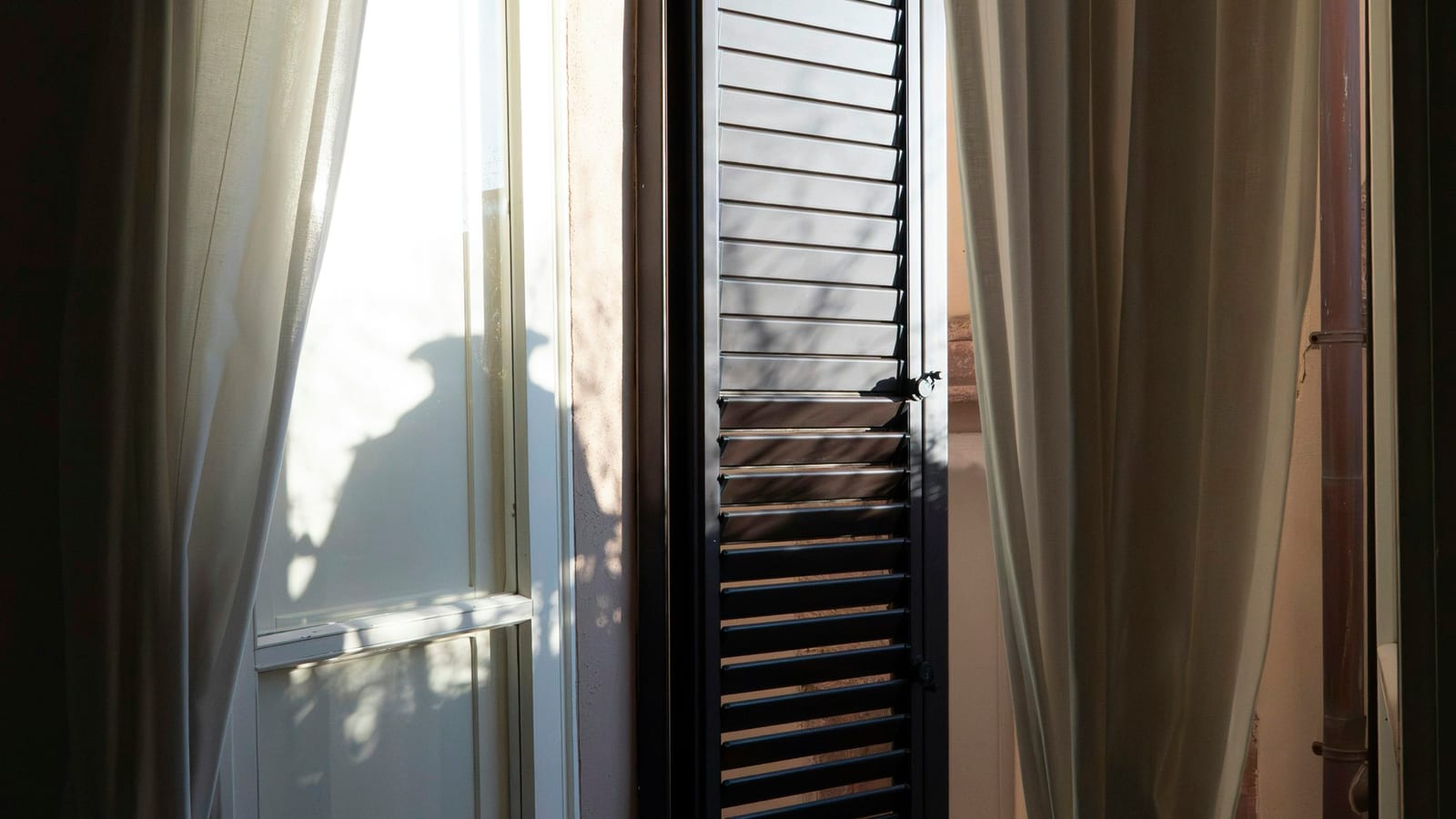
Light exposure in the morning is the single most effective way to reset your circadian rhythm. When your eyes are exposed to sunlight or bright light soon after you wake, you send a signal to your internal clock that says the day is starting now. This signal advances your circadian phase, making you feel alert earlier in the morning and sleepy earlier in the evening.
Seek bright natural light as soon as you can after you wake. This is especially important in the days right after the time change, when your body clock is most out of sync with the sun. If the morning is dark where you are, turn on bright indoor lights. Blue light between 460 and 480 nanometers is most effective at resetting the clock, which is part of why morning sunlight works so well.
The reverse is also true. Avoid bright light and screens in the hour before bed. Light in the evening tells your circadian clock that the day is still ongoing, which delays sleep onset. If the time change disrupts your evening schedule, dim the lights after dinner and set your phone to a night-mode display if you must use it.
Give yourself a few days
Most people adjust to the time change within three to five days. Your schedule will feel off for the first one or two mornings, but your circadian rhythm will drift back into sync. Consistency helps. Keep the same wake time after the change, even if you do not feel fully alert. Morning light will help pull your internal clock into the new schedule.
Avoid napping to make up for lost sleep on the day of the change. A nap will delay the next evening's sleep onset, which extends how long it takes your body clock to adjust. The same goes for caffeine. Avoid coffee and other caffeinated drinks after early afternoon on the day of the change and for a few days afterward. Caffeine in the afternoon or evening shifts your sleep schedule later, which is the opposite of what you want right after falling back.
Why the clocks change at all
Daylight saving time was introduced a century ago with the idea that shifting an hour of daylight from morning to evening would save energy. That idea has not held up to scrutiny. Modern research finds little to no energy savings from the change, and more recent studies link DST transitions to temporary increases in traffic accidents, heart attacks and other health disruptions, especially the spring change.
Many sleep scientists and public health organizations, including the American Academy of Sleep Medicine, have concluded that permanent standard time would be healthier than the continuing back-and-forth. Several countries and regions have stopped changing their clocks. Whether the practice continues in your location may change in the coming years.
Getting up reliably, with or without the time change
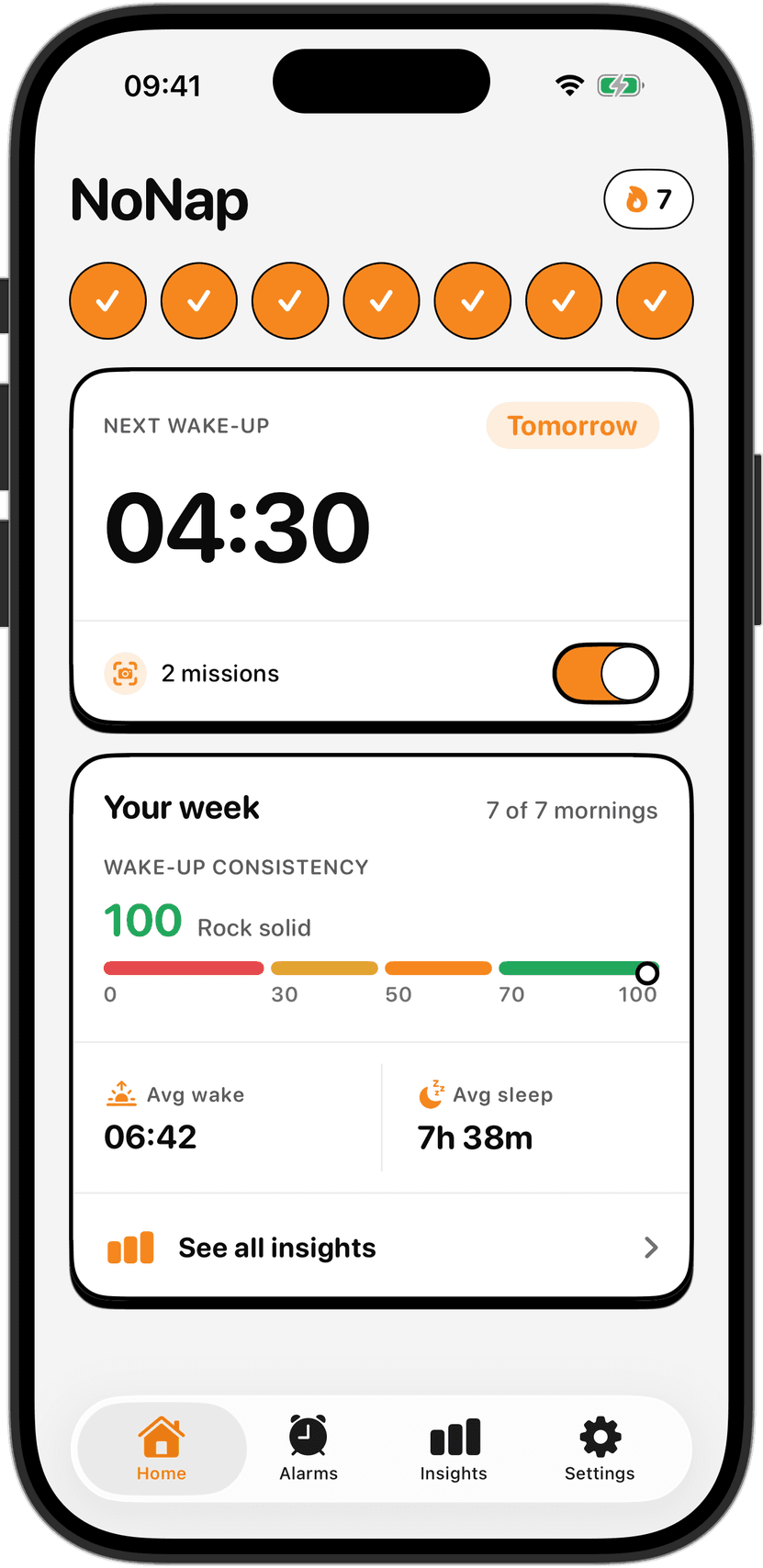
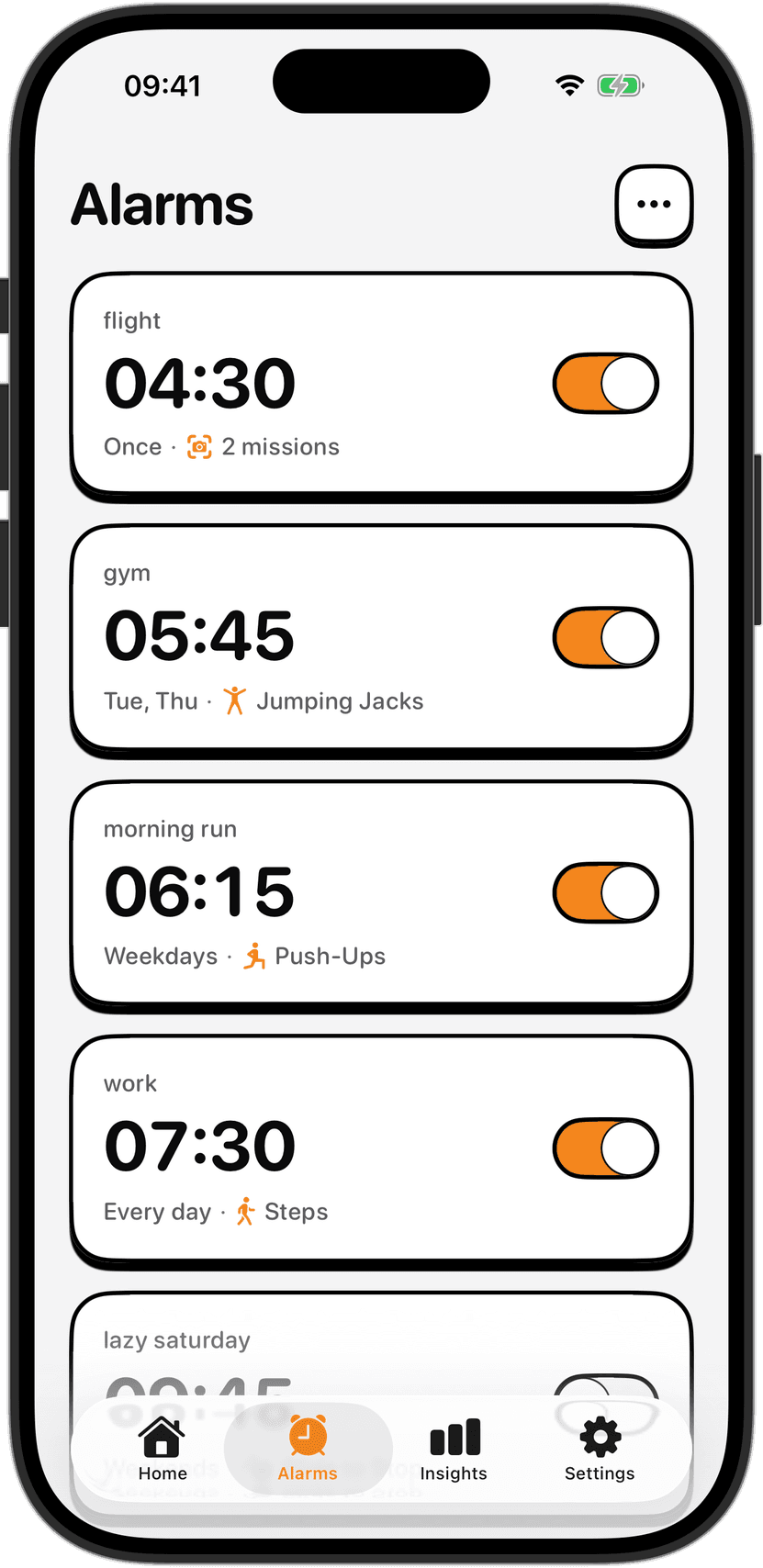
If you rely on an alarm to wake at a consistent time, the time change gives your habit a small test. An alarm set for 6 a.m. will still ring at 6 a.m. after the clocks fall back, because your phone updates automatically. But your body clock will be an hour off, so you will feel as if the alarm is ringing an hour earlier than usual. Give yourself a few days to adjust. The combination of morning light and a consistent wake time will reset your internal clock. If mornings are your struggle even without the time change, shift your wake-up time gradually once you have adjusted to the clocks, rather than all at once.
Sources
Sleep Foundation: "Daylight Saving Time: How This Time Change Affects Sleep" https://www.sleepfoundation.org/circadian-rhythm/daylight-saving-time
National Geographic Health: "Here's how daylight saving time can hurt your heart health" https://www.nationalgeographic.com/health/article/daylight-savings-heart-health
Stanford Medicine: "Study suggests most Americans would be healthier without daylight saving time" https://med.stanford.edu/news/all-news/2025/09/daylight-saving-time.html
Brain Sciences (2026): "When the Clock Shifts: A Comprehensive Review of Daylight-Saving Time (DST), Circadian Disruption, and Neuropsychological Risk in Chronic Mental Illness" https://www.mdpi.com/2076-3425/16/5/522
Kent University: "How Daylight Saving Time affects our health" https://www.kent.ac.uk/news/health-social-care-and-wellbeing/36373/how-daylight-saving-time-affects-our-health