Waking up to pee at night: how many trips are normal
Waking once a night to pee is common. What the ICS definitions, prevalence figures and bladder diaries say about when it starts to matter for your sleep.
Visana Studios
5 min read
Getting up once in the night to pass urine is common, and on its own it does not point to a problem. The trouble starts when the trips become frequent, or when they stop you from getting back to sleep. Doctors call the pattern nocturia, and the standard terms for it are more precise than most of the advice you will find online.
What the standard definitions actually measure
The International Continence Society (ICS) sets the terminology that bladder researchers use. It splits nocturia into a symptom and a sign. As a symptom, it is waking at night to pass urine. As a sign, it is the number of times you void during your main sleep period. The two are not the same thing. Someone can feel that their sleep is broken by one trip, while another person gets up three times and sleeps through the rest of the night without noticing.
A 2018 review by Hashim and Drake summarises those ICS standards. It notes that the symptom and the sign are quantified with a three-day bladder diary, a log of what you drink and every time you pass urine, including the volume. The same review describes nocturnal polyuria as a separate pattern: passing large volumes of urine overnight. That is a different problem from simply needing the toilet more often, and it is one that a diary can pick out.
How common it is
A 2016 study in the International Neurourology Journal by Zumrutbas and colleagues shows how much the answer depends on where you draw the line. Counting anyone who wakes at least once a night to void, the prevalence was 28.4 per cent. Requiring at least two voids brought it down to 17.6 per cent, and at least three voids to 8.9 per cent. The authors argue that the single-void threshold does not capture how bothersome the symptom is, and they suggest two or more nightly voids as a better marker. They also report that people with fewer than two nightly voids generally find the symptom minor.
Those figures come from one study, so treat them as a guide rather than a national average. Still, they make one trip a night look like what it is: a very common thing. More than a quarter of the people in that study woke at least once. The number worth paying attention to is not the first trip. It is whether the trips are steady, whether they are increasing, and whether they leave you struggling through the next day.
What it does to sleep, and what is still unknown
The evidence on the sleep side is thinner than the confident claims suggest. A conference abstract from the ICS in 2018, by Romano and colleagues, interviewed 18 people who had nocturia. All 18 described some sleep disturbance from it. Eleven of them (61.1 per cent) said they were quite a bit disturbed, and seven (38.9 per cent) said moderately. The participants also drew a line between a void and an awakening, because more awakenings can happen than voids. Asked what good sleep meant, most described it as deep, uninterrupted and restorative.
That is a small qualitative study, so it tells you how the disruption feels to the people living with it, not how often it damages health. Three of the four authors are affiliated with RTI Health Solutions and one with Ferring Pharmaceuticals, which is worth keeping in mind. What the sources I could check do not settle is how much each trip costs in deep sleep, or whether a trip you fall straight back asleep from matters much at all. Researchers are still working out whether nocturia breaks sleep, or whether poor sleep makes people more likely to get up.
When to talk to a doctor
It is reasonable to see a GP if the trips are new, if they happen most nights, or if they break your sleep often enough that you feel it the next day. A doctor can ask you to keep a bladder diary, which is the usual first step. The diary helps show whether the problem is the amount you drink, the amount your body makes overnight, or something in the bladder itself. Those are the questions a diary is built to answer.
Pain or blood when you pass urine, a change in colour, or a sudden change in the pattern should be checked promptly rather than watched. Nothing here is a diagnosis, and none of it replaces an examination.
Where an alarm fits
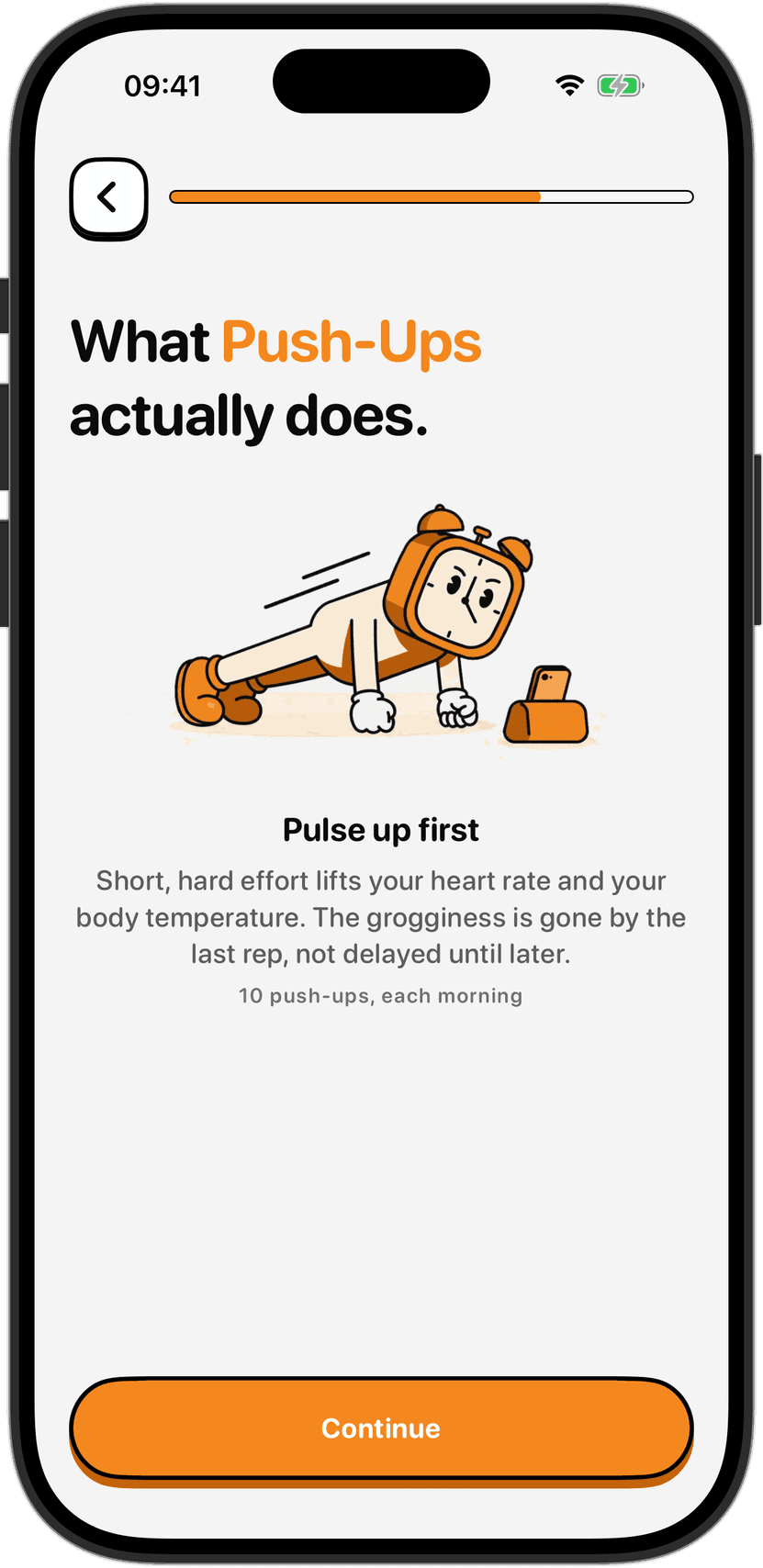
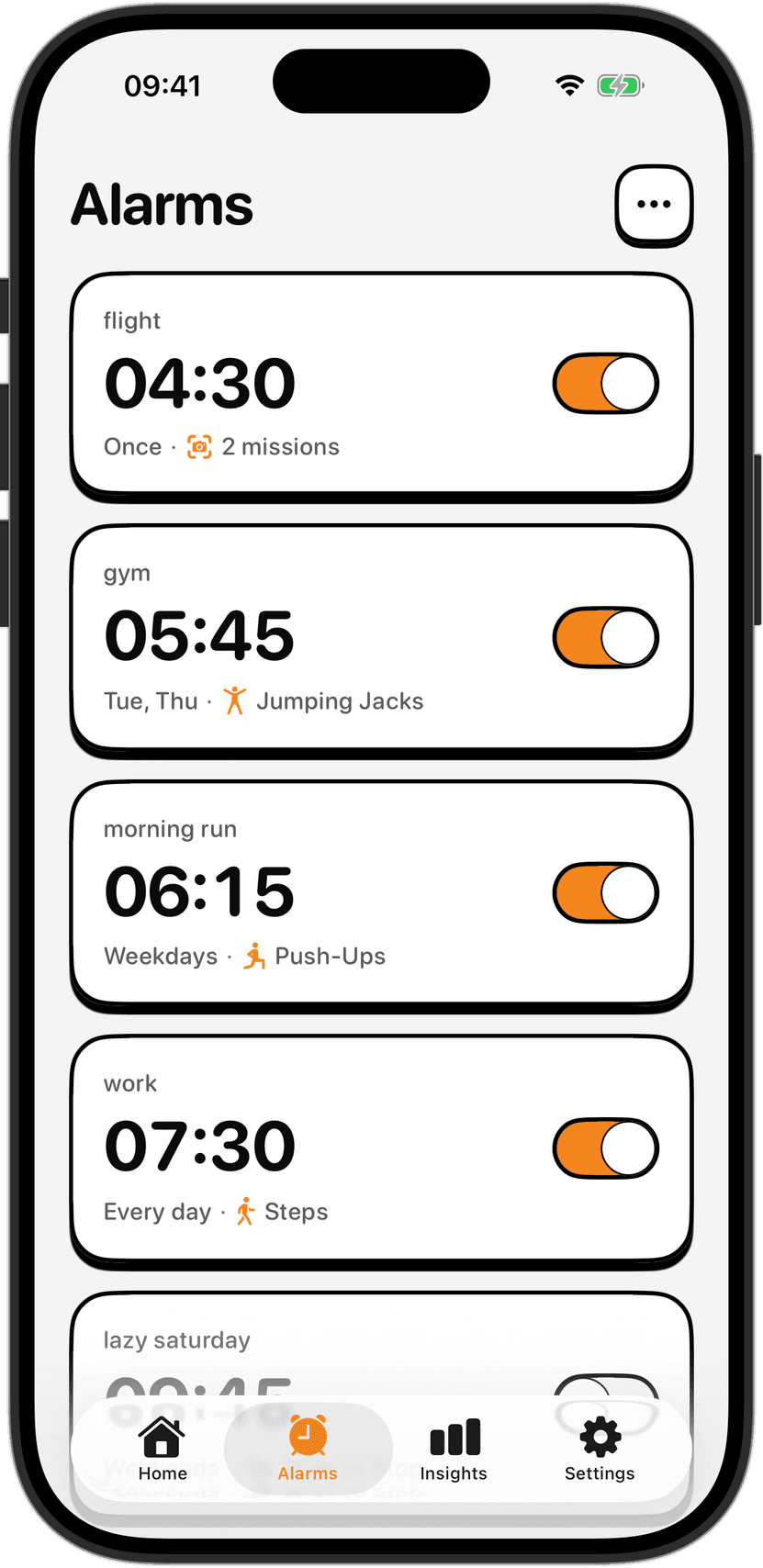
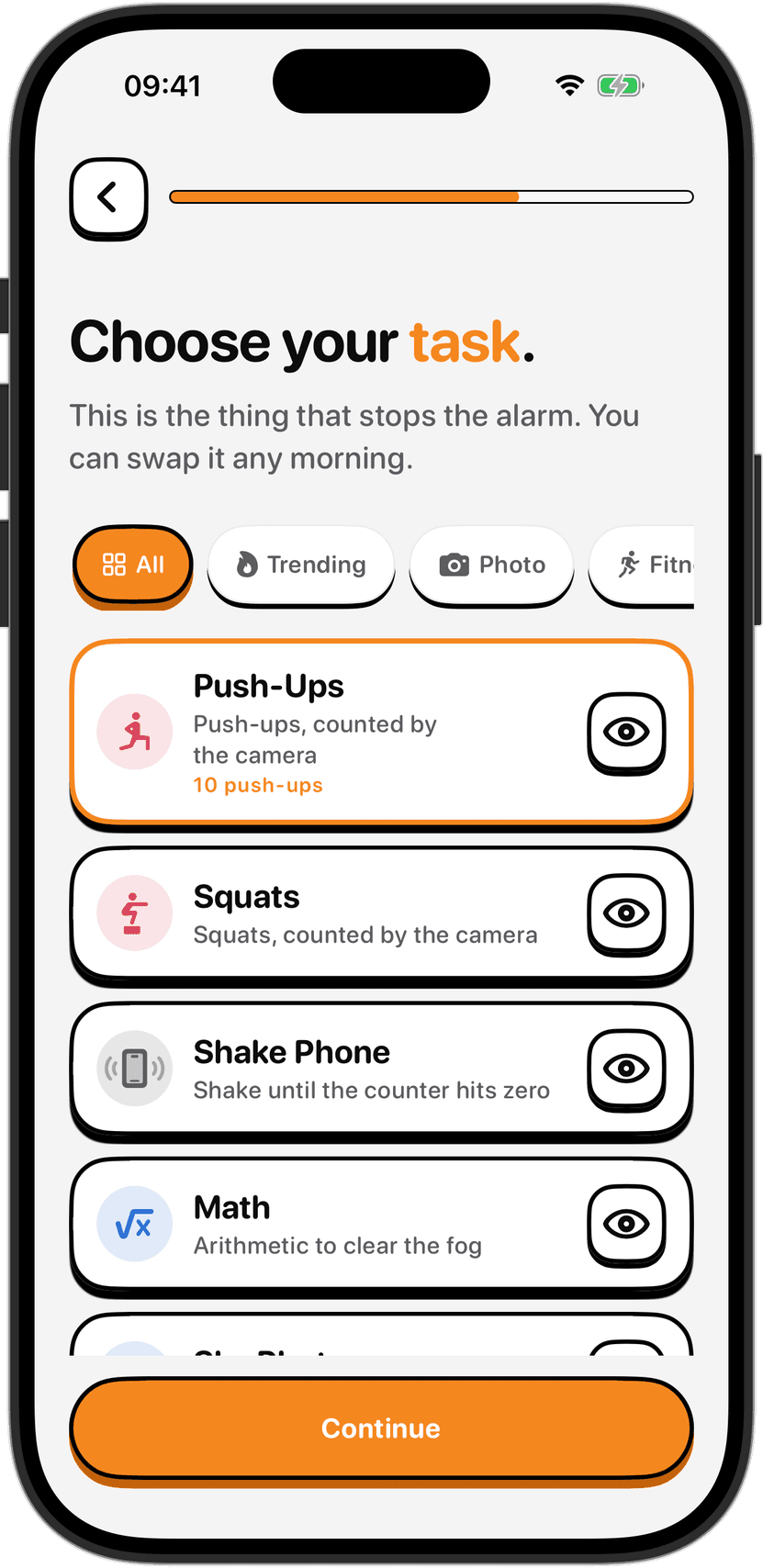
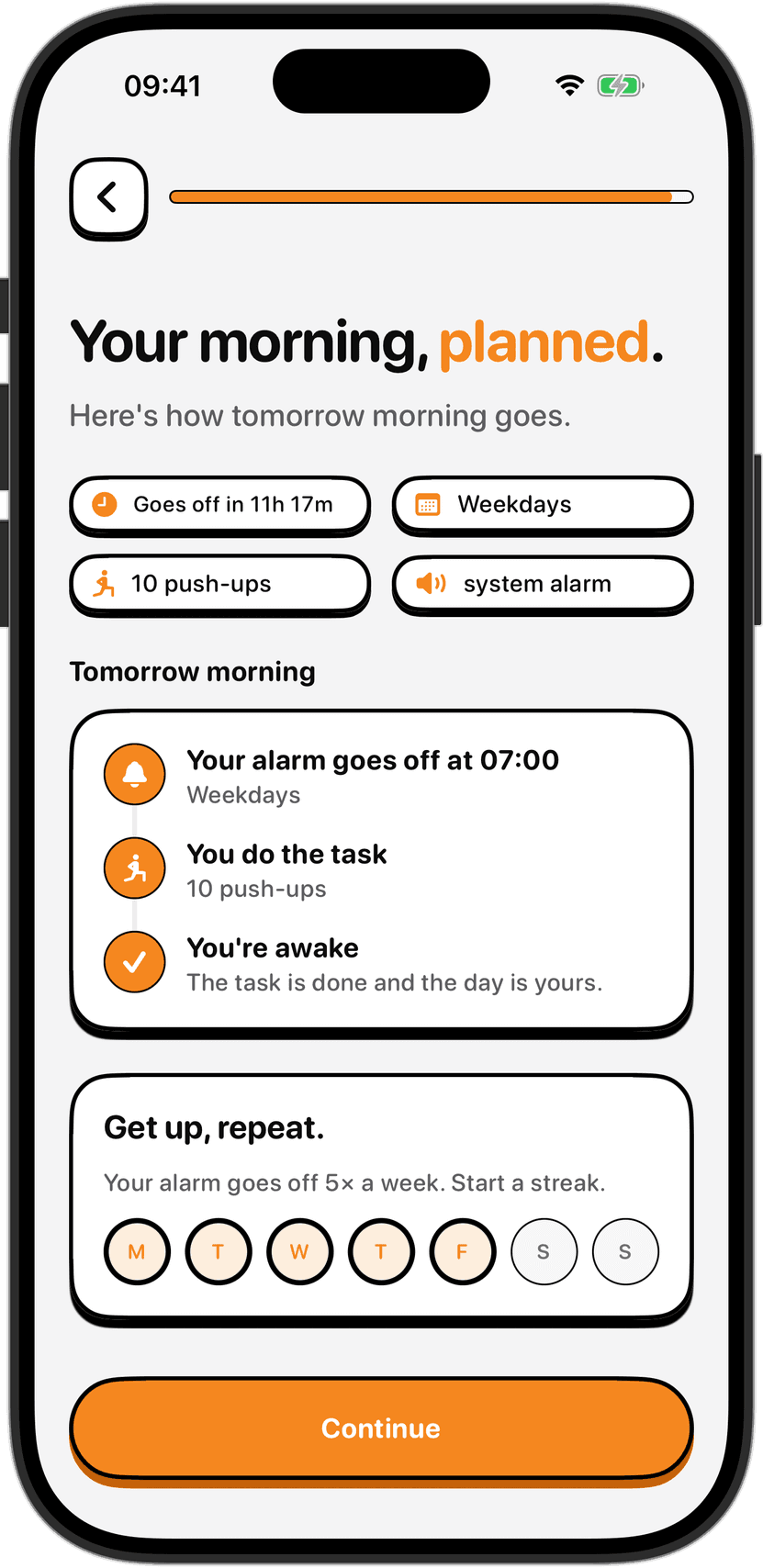
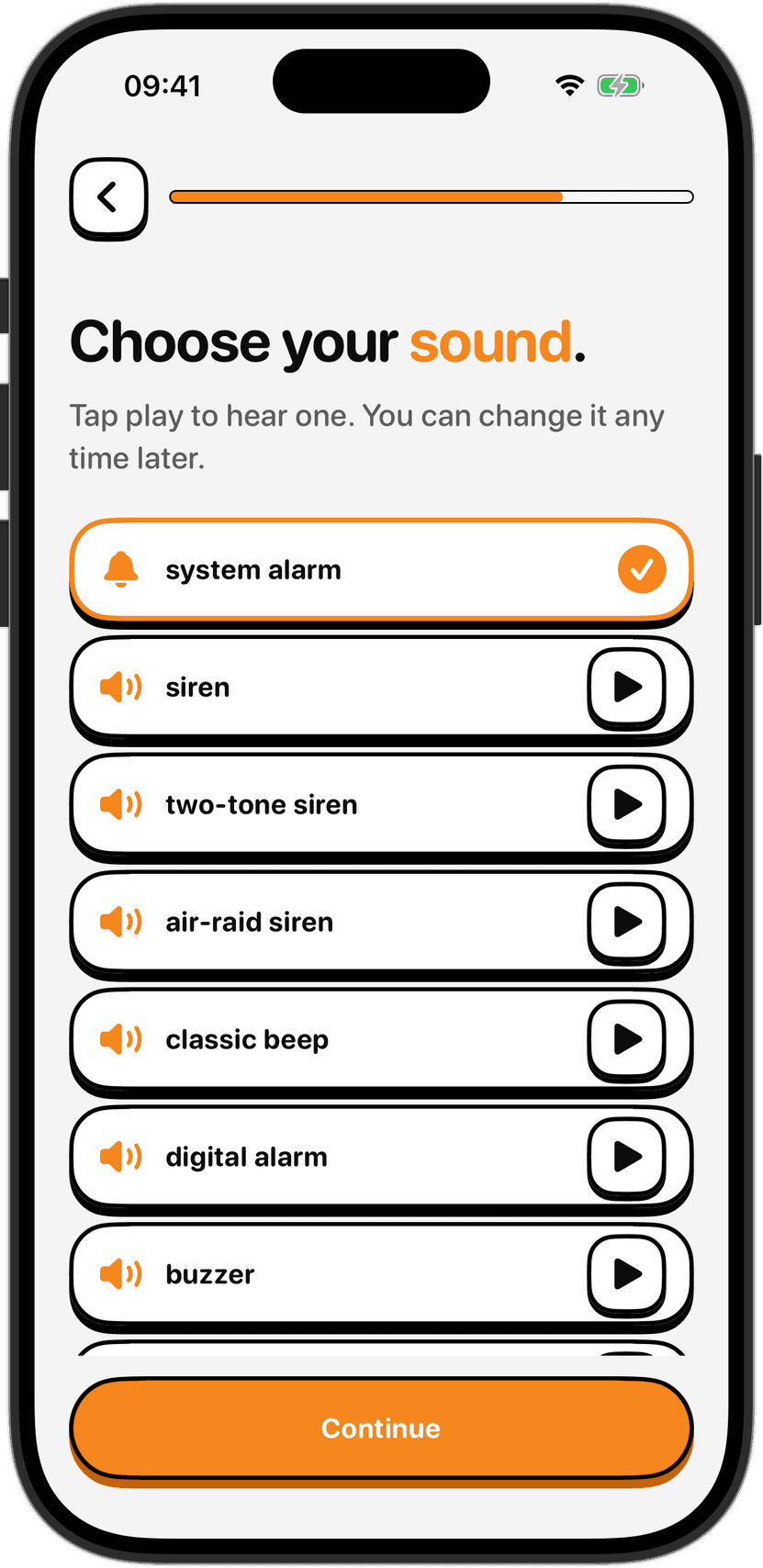
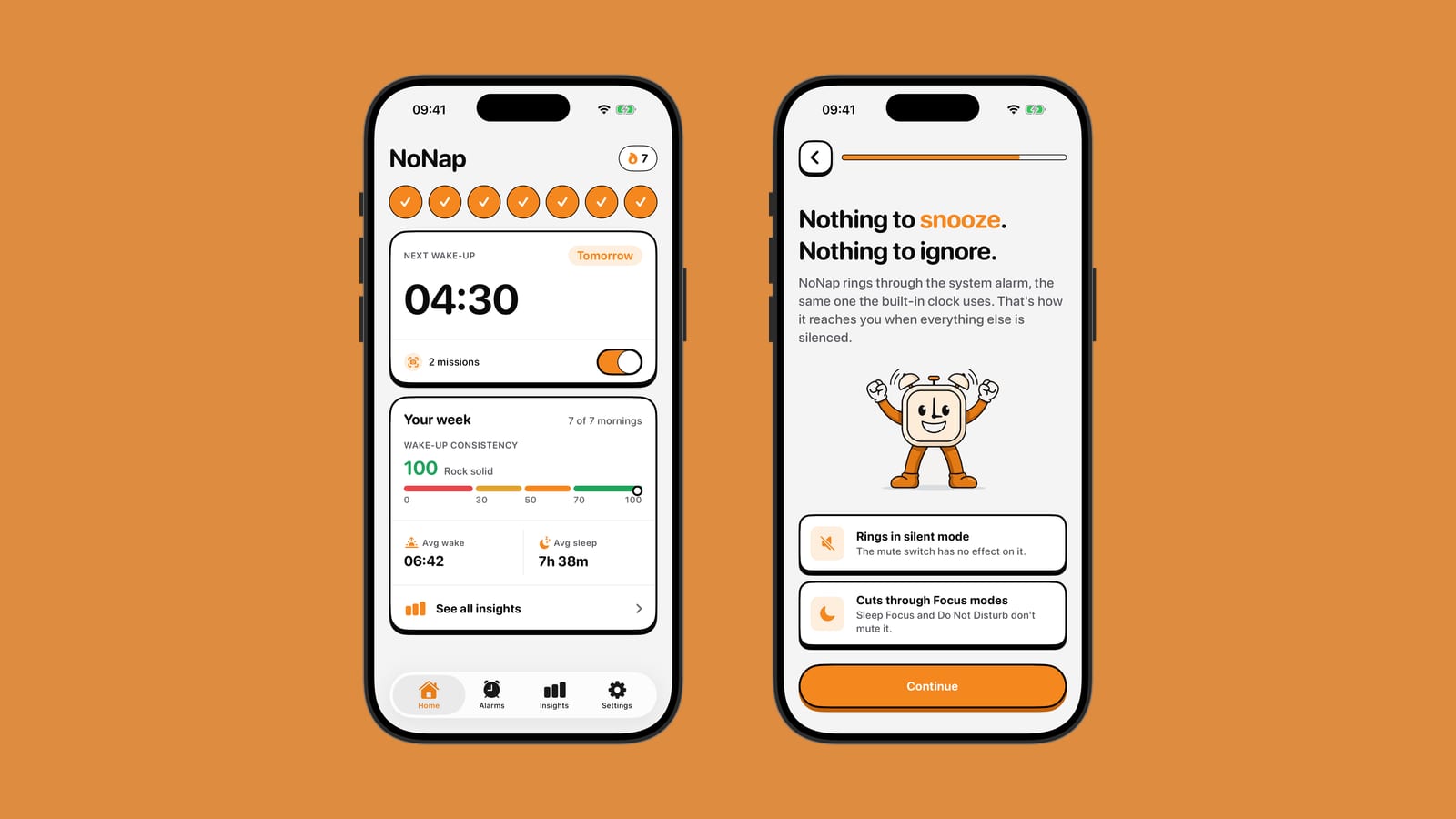
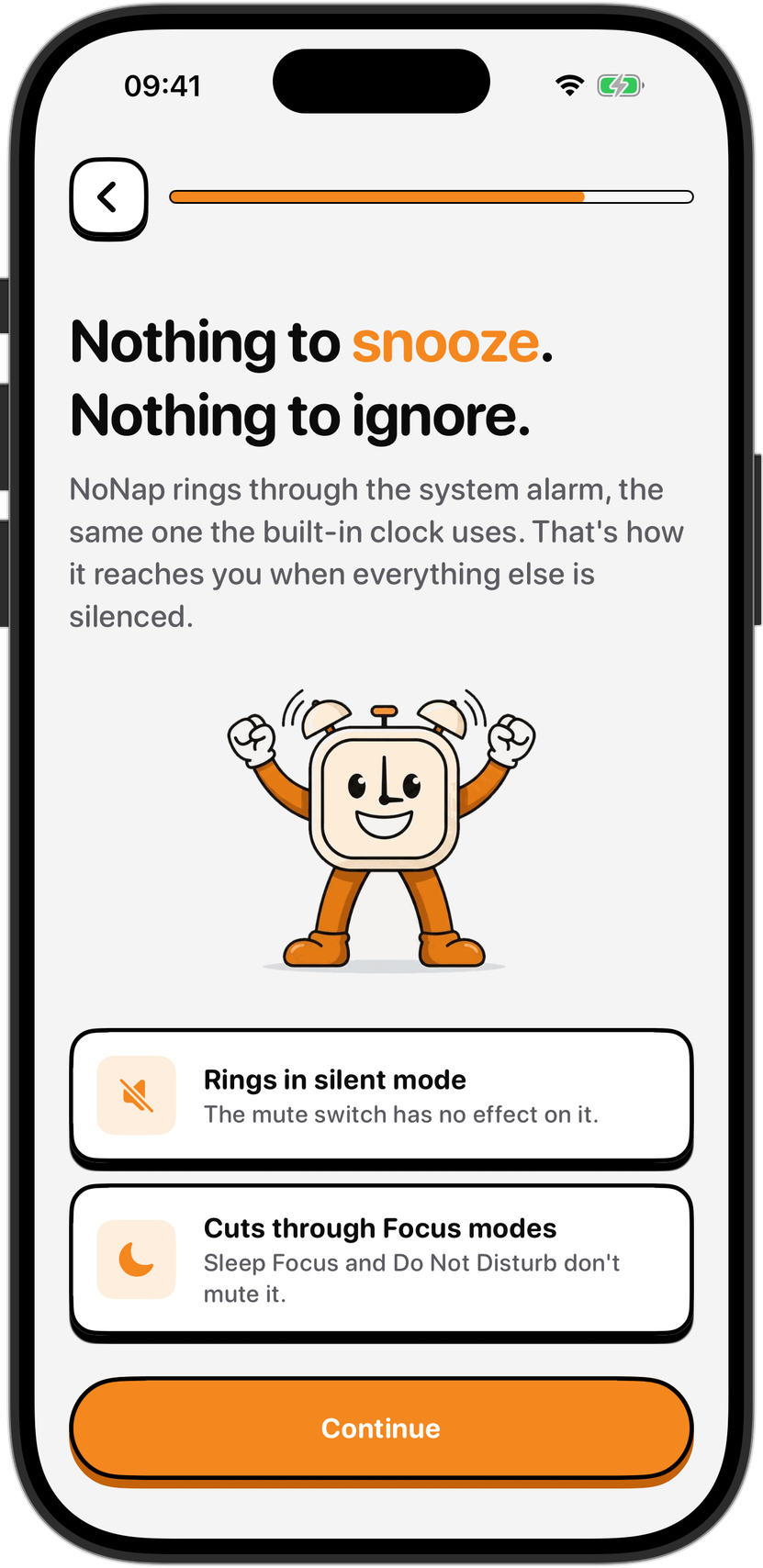
NoNap does not track sleep, and it does not know how many times you got up overnight. It has no bathroom or bladder features, and it does not change how you sleep. What it does is make sure the alarm rings at the time you set. Its alarm rings through silent mode, as the screen below shows, and you have to finish your chosen wake task to switch it off. A night broken by a trip does not move the alarm. If you are waking often and struggling in the morning, a louder alarm is not the fix. The cause is what needs looking at, and a bladder diary is a better starting point than any app.
Sources
Hashim H, Drake MJ. Basic concepts in nocturia, based on International Continence Society standards in nocturnal lower urinary tract function. Neurourology and Urodynamics. 2018;37(S6):S20 to S24. doi:10.1002/nau.23781. PubMed 30070389. This is the source for the symptom and sign definitions, the three-day bladder diary and the description of nocturnal polyuria.
Zumrutbas AE, Bozkurt AI, Alkis O, Toktas C, Cetinel B, Aybek Z. The Prevalence of Nocturia and Nocturnal Polyuria: Can New Cutoff Values Be Suggested According to Age and Sex? International Neurourology Journal. 2016;20(4):304 to 310. doi:10.5213/inj.1632558.279. The source for the prevalence figures of 28.4, 17.6 and 8.9 per cent at the three thresholds, and for the argument for a two-void cut-off.
Romano C, Lewis S, Barrett A, Andersson F. The impact of nocturia on patient reported sleep quality. International Continence Society, 2018, abstract 118. https://www.ics.org/2018/abstract/118. The source for the interview study of 18 people and its findings on disturbance, on the difference between voids and awakenings, and on how people define good sleep.
Image credits
The cover and the inline image are own screenshots of the NoNap app, made for this post.