Why getting up right away wakes you up better than hitting snooze
Snoozing fragments your final REM sleep. Immediate movement works differently on the brain and body. Here is what the research shows.
Visana Studios
4 min read
The alarm goes off, and the most natural response is to buy yourself nine more minutes. More than half of alarm users do exactly that. But snoozing does not give you more sleep. It gives you worse sleep, and a groggier morning.
A study of over 3 million sleep sessions from 21,000 users found that 55.6 percent ended with at least one snooze, averaging 2.4 presses per session. The appeal is obvious. The reality is messier. When the first alarm wakes you, you are already moving toward waking naturally. Pressing snooze sends you backward.
What happens when you snooze
In the final hour or two before you wake, your sleep is mostly REM. That is the stage where memory consolidates, dreams happen, and the cortex lights up with activity. When the alarm pulls you out of it, pressing snooze does not return you to REM. It drops you into the lighter stages, N1 and N2, where you are neither sleeping deeply nor actually waking up.
This matters. Fragmenting sleep into short 9-minute bursts, then shallow dips, does something different than sleeping through. Research on interrupted sleep shows it builds daytime grogginess more than the same total sleep time in one stretch. Your body never settles into any stage, and your brain never completes what those stages do.
The snooze cycle also cuts directly into the time when your body is naturally preparing to wake. In the final sleep cycle, your core temperature is already rising, cortisol is already climbing, and cerebral blood flow is shifting back to normal. Hitting snooze interrupts all of that halfway through, then forces you to start over when the next alarm sounds.
Why getting up right away works differently
The moment the first alarm sounds and you get out of bed, you are working with your body's trajectory instead of against it. Your nervous system is already waking. Immediate physical movement accelerates three changes that clear sleep inertia the foggy, sluggish feeling after waking.
First, physical activity increases blood flow to the brain. The regions that handle alertness and decision-making normally take 20 to 30 minutes to regain full blood flow after sleep. Exercise speeds that recovery. Second, movement triggers a cortisol spike. Cortisol is the hormone that drives wakefulness, and it naturally rises after you wake. Physical exertion amplifies that rise. Third, even brief activity raises your core body temperature. A small increase, as little as 0.1 degrees Celsius, can improve cognitive function during the critical minutes when you are still clearing sleep inertia.
None of these happen when you snooze. You are fighting your body's waking process, not accelerating it.
What the research actually shows
The science here is still emerging. A 2020 hypothesis paper in Frontiers in Physiology proposed that exercise might reduce sleep inertia through exactly these mechanisms: blood flow, cortisol, and temperature. But the paper also noted that most sleep inertia countermeasures have not been proven to work within the first 15 minutes after waking, which is the window that matters most.
The first direct test came in 2021. Researchers woke 15 people after a 2-hour nap and had half of them do a 30-second sprint on a bike while the others rested. The people who exercised reported feeling less sleepy. But their cognitive performance did not improve compared with the no-exercise group, and their core temperature did not rise significantly.
So what happened? The subjective sensation of alertness went up even though the measured cognitive gain did not. That gap matters. Feeling alert is not the same as being sharp. But it also matters psychologically. The moment you feel more awake, you are more likely to keep moving, to go splash cold water on your face, to get your day started. Snoozing keeps you in a foggy limbo instead.
The researchers called for more research on different exercise durations and timing. The evidence is not conclusive yet. But it points in a clear direction: immediate action beats snoozing.
How to use this
If you snooze now, you are probably doing it out of habit or comfort, not because it works. The research shows it leaves you groggier, not more rested. The alternative is simpler than it sounds.
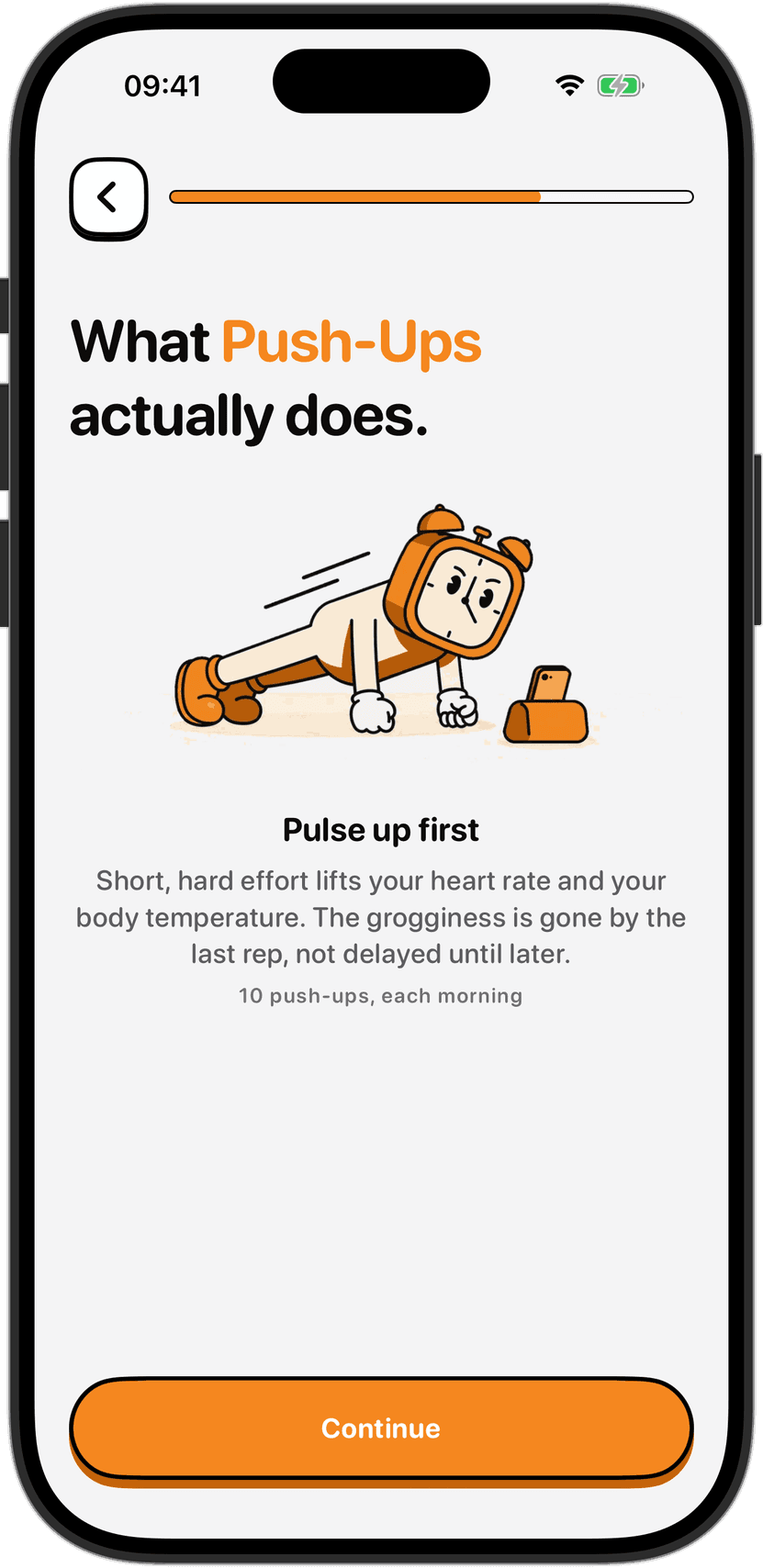
Set your alarm for the actual time you need to wake. Then when it goes off, get out of bed immediately. Do anything that gets your body moving: push-ups, squats, a cold shower, jumping jacks, walking to the kitchen. Even 30 seconds makes a difference. You will feel more alert than you would after hitting snooze, and you will have actually woken up instead of cycling through fragmented sleep.
The hardest part is that first moment. Your tired brain will negotiate for those nine more minutes. But nine minutes of shallow sleep between snoozes is not nine minutes of rest. It is a false promise that leaves you groggier when you finally get up. Getting up right away costs you nothing and leaves you clearer.
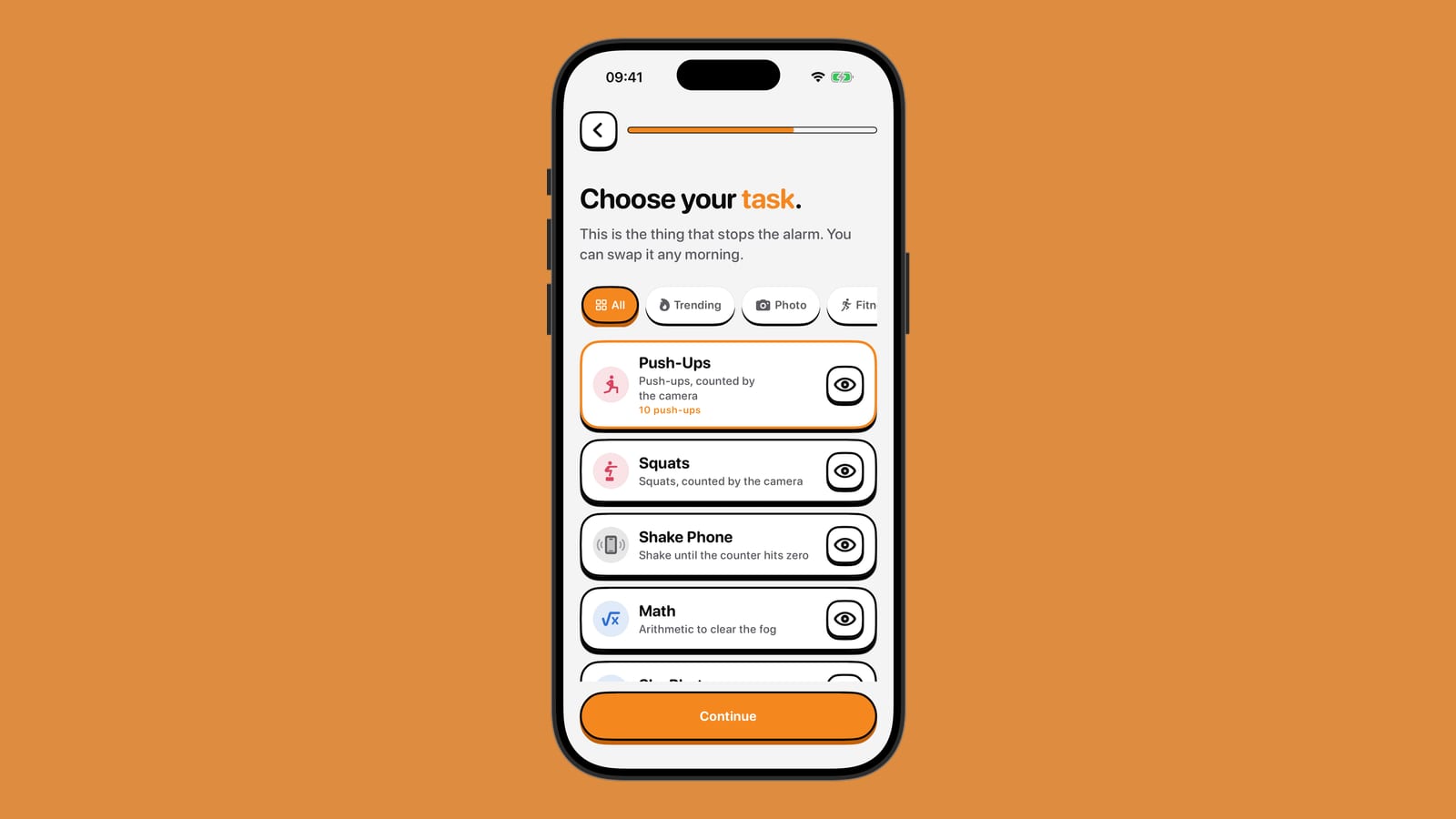
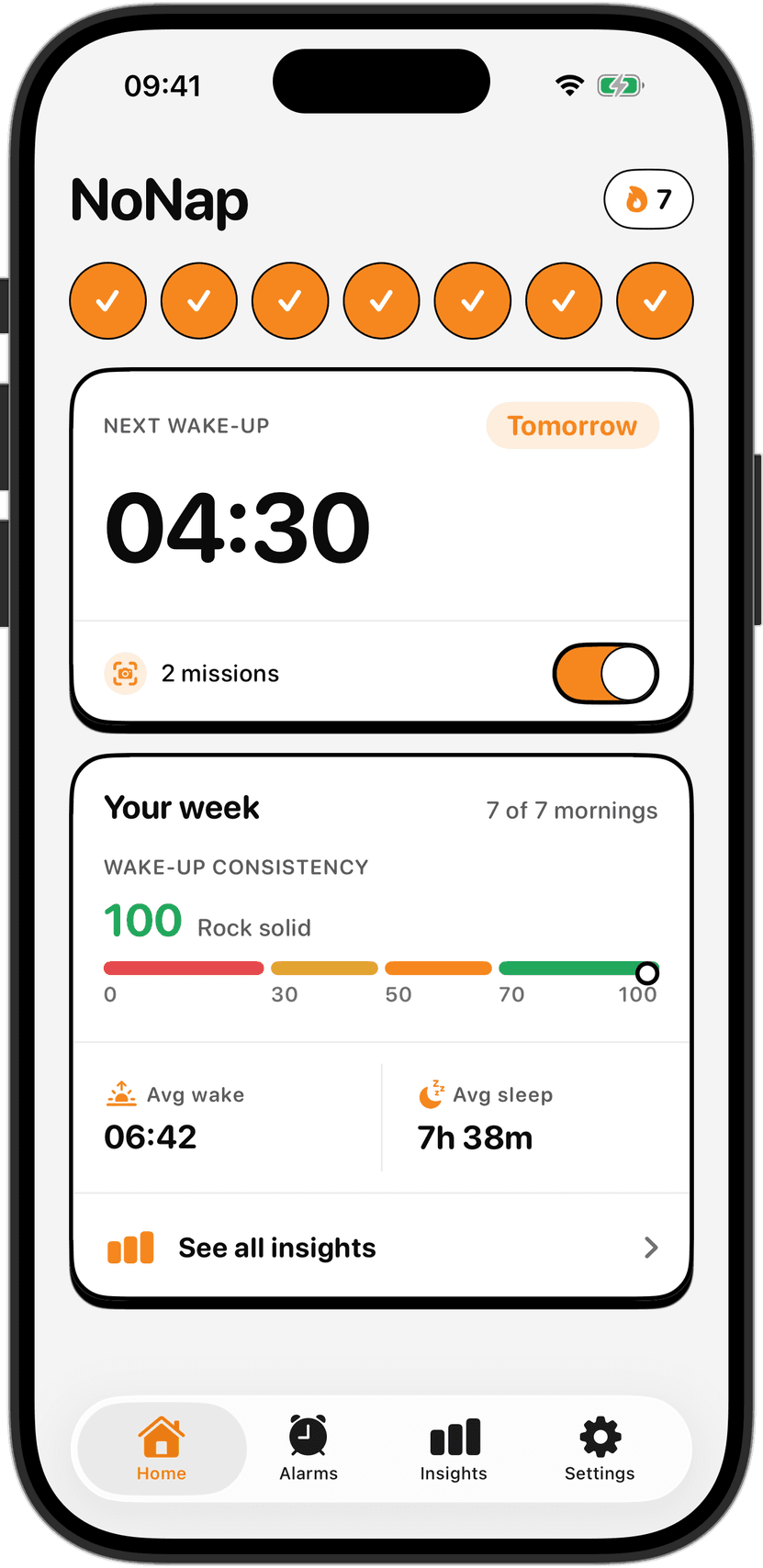
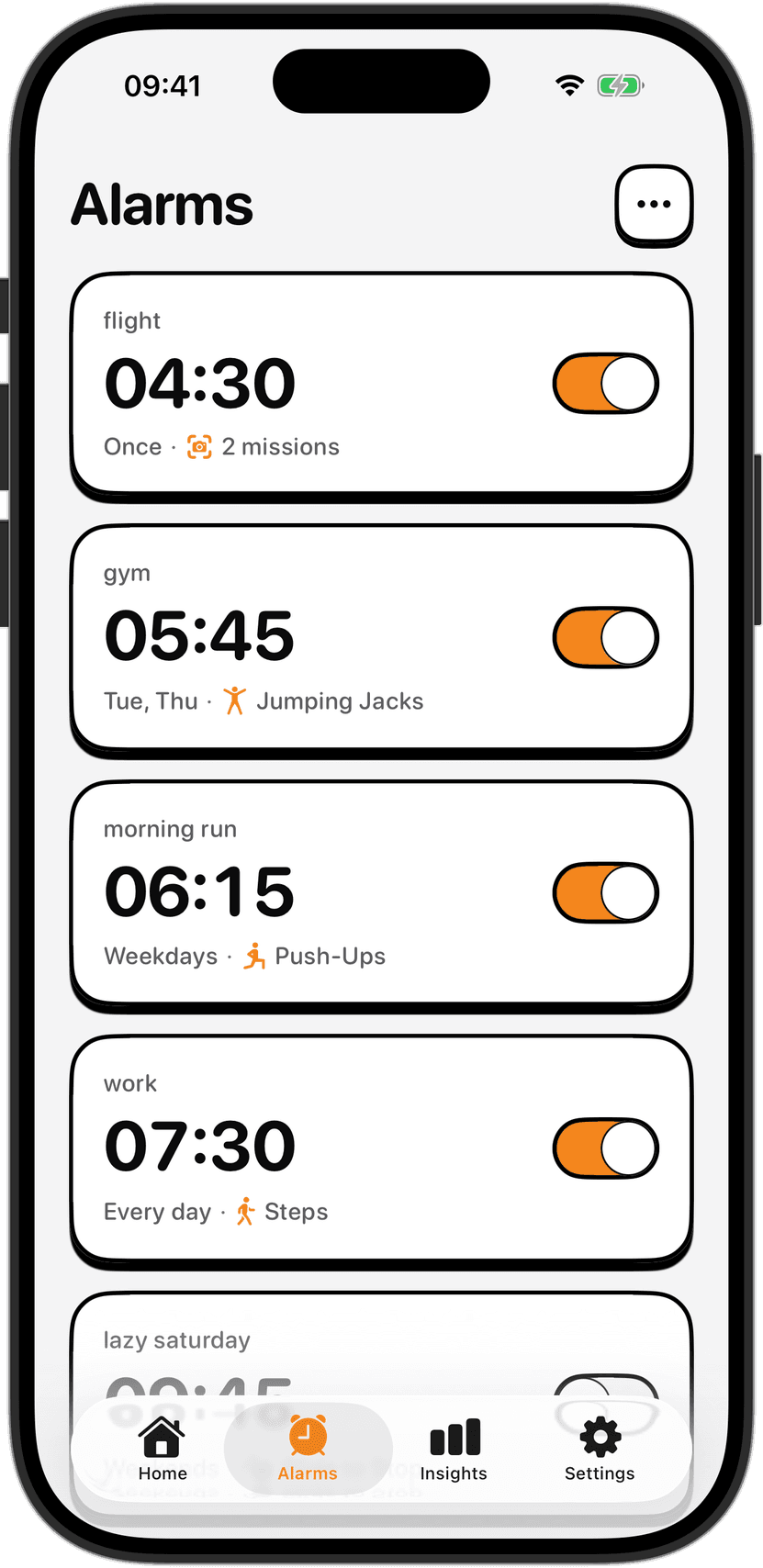
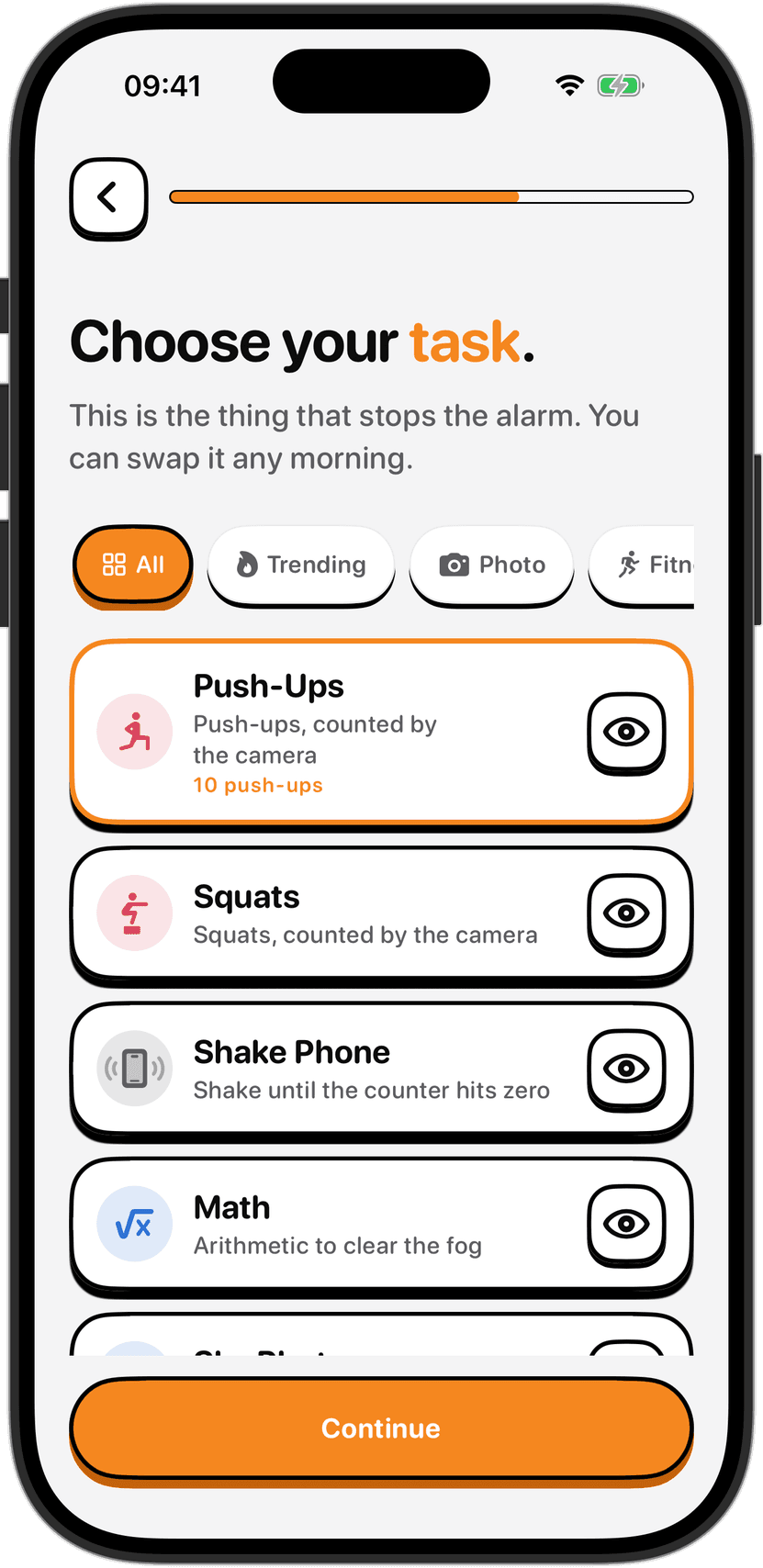
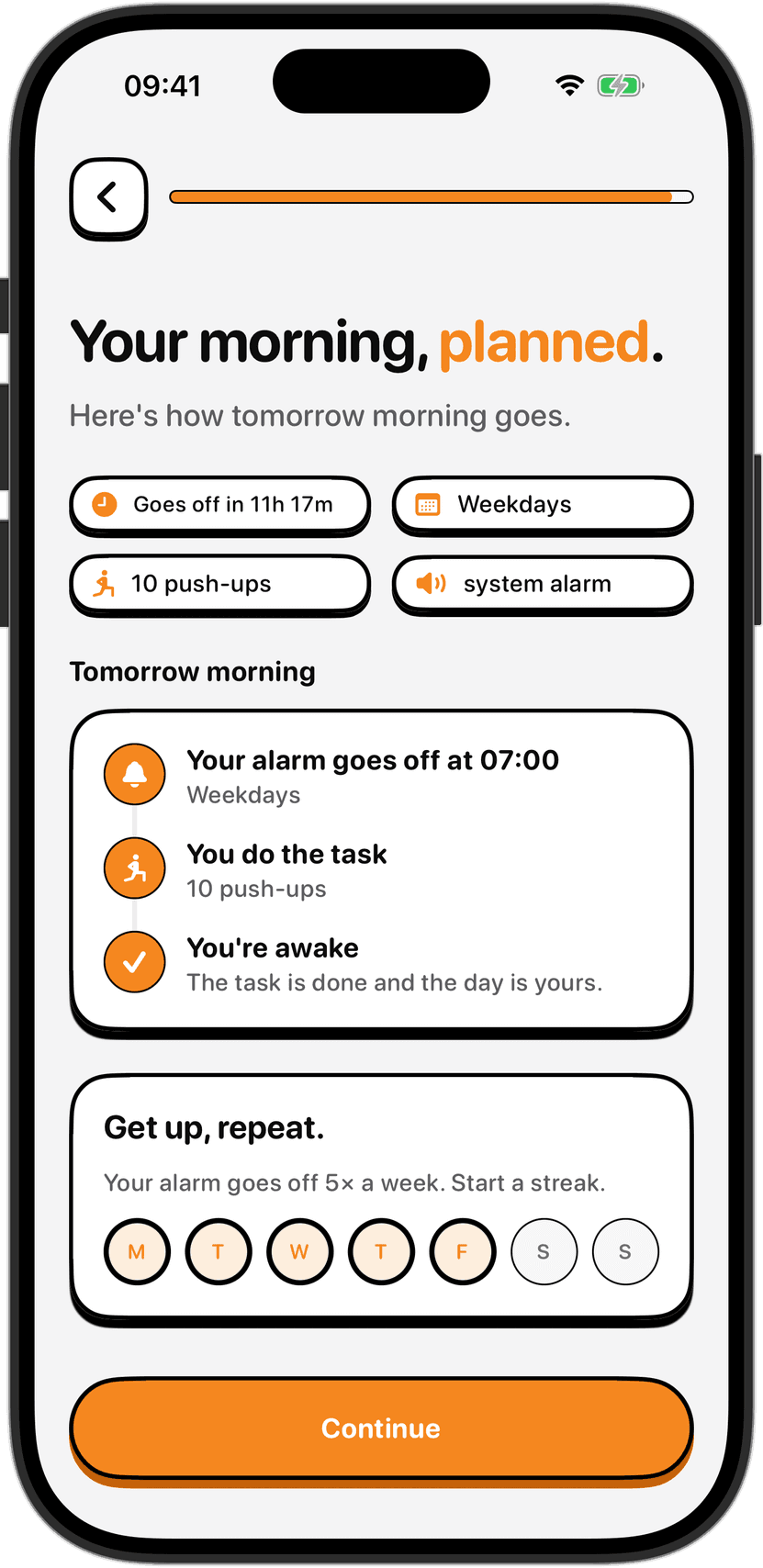
NoNap takes this further by replacing the snooze button entirely. Instead of being able to drift back to sleep, you finish a wake task you chose in advance. Push-ups, squats, a math problem, or a photo of your bed. That immediate engagement with your body or your brain is exactly what bypasses the snooze trap: you cannot negotiate with a task. The moment your alarm goes off, you are already moving.
Sources
Kovac, S., et al. (2021). The impact of a short burst of exercise on sleep inertia. Physiology & Behavior.
Gupta, N. P., et al. (2020). Exercising Caution Upon Waking: Can Exercise Reduce Sleep Inertia? Frontiers in Physiology.
Oura. New Study Hitting Snooze. Analysis of 3+ million sleep sessions on snoozing patterns.
Gizmodo. Why the snooze button is ruining your sleep.
Business Insider. Why hitting snooze is bad for you.