What a nightcap does to the second half of your night
Alcohol shortens time to fall asleep, then fragments sleep as the body metabolizes it, worsens snoring, and leaves a measurable cognitive hangover by morning.
Visana Studios
6 min read
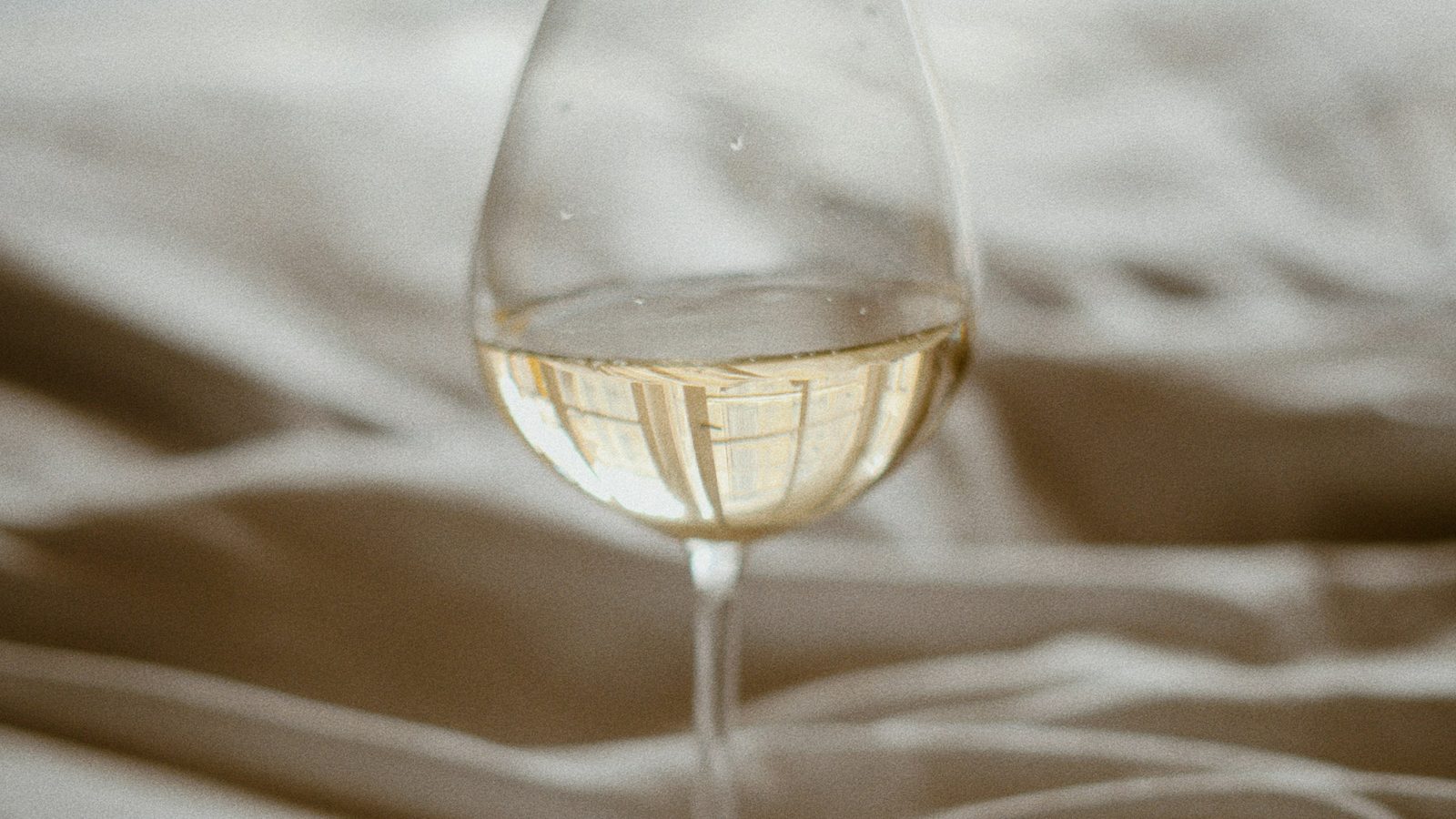
Two drinks with dinner, asleep in what feels like minutes, then wide awake at 3:14 a.m. staring at the ceiling fan. That's not insomnia arriving out of nowhere. It's alcohol doing exactly what alcohol does to sleep: a fast, convincing start and a rough second half.
Falling asleep faster is the easy part
Alcohol is a sedative, so it does what sedatives do. It shortens the time it takes to fall asleep. A 2013 review by Ebrahim and colleagues in Alcoholism: Clinical and Experimental Research pulled together decades of lab studies on healthy volunteers and found that alcohol before bed reduced sleep onset latency and left the first half of the night more consolidated, with more slow-wave sleep than a sober night produces. That's the part people notice. It's also easy to mistake for better sleep.
A more recent review complicates that story. Gardiner and colleagues published a meta-analysis of 27 studies in Sleep Medicine Reviews, and they found the faster sleep onset only showed up reliably at a high dose, somewhere around five standard drinks. REM sleep told a different story. Even a low dose, about two drinks, delayed and shortened REM sleep, and the disruption grew with the dose. The two reviews disagree on exactly how much it takes to fall asleep faster. They agree on the part that matters more: REM, the stage tied to memory processing and emotional regulation, takes a hit well before anyone would call themselves drunk.
What happens as the body burns it off
The liver processes alcohol at a fairly fixed rate, roughly one standard drink per hour, and it doesn't pause for sleep. As blood alcohol falls across the night, the sedative effect that made falling asleep easy fades with it, and what's left is a nervous system rebounding from being suppressed. The National Institute on Alcohol Abuse and Alcoholism describes the pattern plainly. People fall asleep faster after drinking, but the sleep that follows is fragmented, and they tend to wake up earlier than planned. NIAAA calls this a kind of mini-withdrawal: the same mechanism that eased the transition into sleep produces a small version of alcohol withdrawal once it clears the system. That's often what's behind waking at 3 a.m. with a racing mind for no obvious reason, and it's a pattern worth understanding on its own for the nights when alcohol had nothing to do with it.
A floppier airway, louder snoring
Alcohol relaxes muscle, and the muscles holding the airway open overnight are no exception. Burgos-Sanchez and colleagues pooled 13 studies in a 2020 meta-analysis in Otolaryngology-Head and Neck Surgery and found that alcohol raised the apnea-hypopnea index by an average of 3.98 events per hour and dropped the lowest blood oxygen reading by 2.72 percent. Among people who already snored, alcohol made it worse. It didn't reliably turn non-snorers into snorers. The Sleep Foundation cites research putting obstructive sleep apnea at roughly 25 percent more common among heavy drinkers than among light drinkers or non-drinkers, and recommends stopping alcohol at least four hours before bed to give the body time to clear it.
Loud snoring, gasping or pauses in breathing overnight are worth raising with a doctor regardless of how much was in the glass. Alcohol can make an existing case of sleep apnea worse, but it's rarely the whole explanation, and the warning signs are worth knowing either way.
The hangover is a sleep problem, and more
Part of how rough the next morning feels is simply a bad night of sleep, but NIAAA lists sleep disruption as only one piece of it. Dehydration plays a role too: alcohol suppresses vasopressin, the hormone that tells the kidneys to hold on to fluid, so more water leaves the body than came in through the glass. Alcohol also irritates the stomach lining, raises inflammation, and breaks down into acetaldehyde, a byproduct NIAAA says triggers inflammation of its own. Symptoms tend to peak once blood alcohol returns to roughly zero and can last 24 hours or longer, which puts the worst of it right around when the alarm goes off.
The cognitive cost the next day is measurable, not just a feeling. A 2018 systematic review by Gunn and colleagues in the journal Addiction pooled data across studies on heavy drinking's aftereffects and found sustained attention impaired the following morning, psychomotor speed noticeably slower, and clear hits to both short-term and long-term memory. A 2021 study in the Journal of Clinical Medicine, led by Ayre and colleagues, tracked 99 drinkers the morning after a night out and found hangover severity predicted how long they took on a standard test of mental flexibility, an effect that held up even after accounting for how little sleep they'd gotten. Sleep loss and hangover feed each other, but neither one alone explains the whole morning.
Why the alarm feels so much harder
Put the pieces together and the morning after a few drinks is working against you from several directions at once. Sleep is lighter and more broken up in the second half of the night, so the alarm is more likely to land during an actual arousal rather than a natural low point in a sleep cycle, which is exactly the setup for the worst sleep inertia. Losing a night's worth of well-formed sleep makes that first minute after the alarm even harder than usual. Add a body running short on fluid, a system managing real inflammation, and attention and memory a lab can measure as impaired, and the argument for nine more minutes gets very convincing.
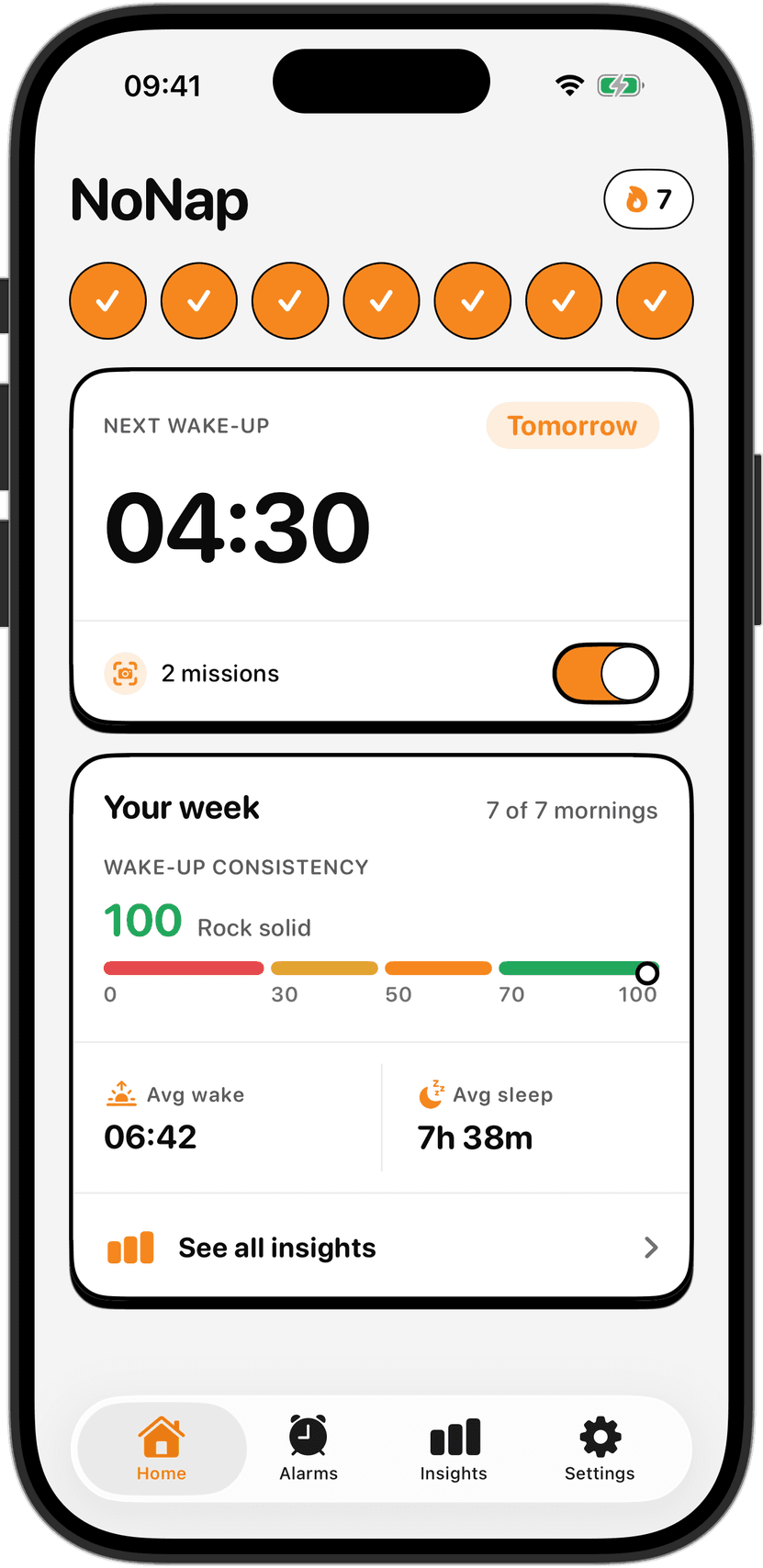
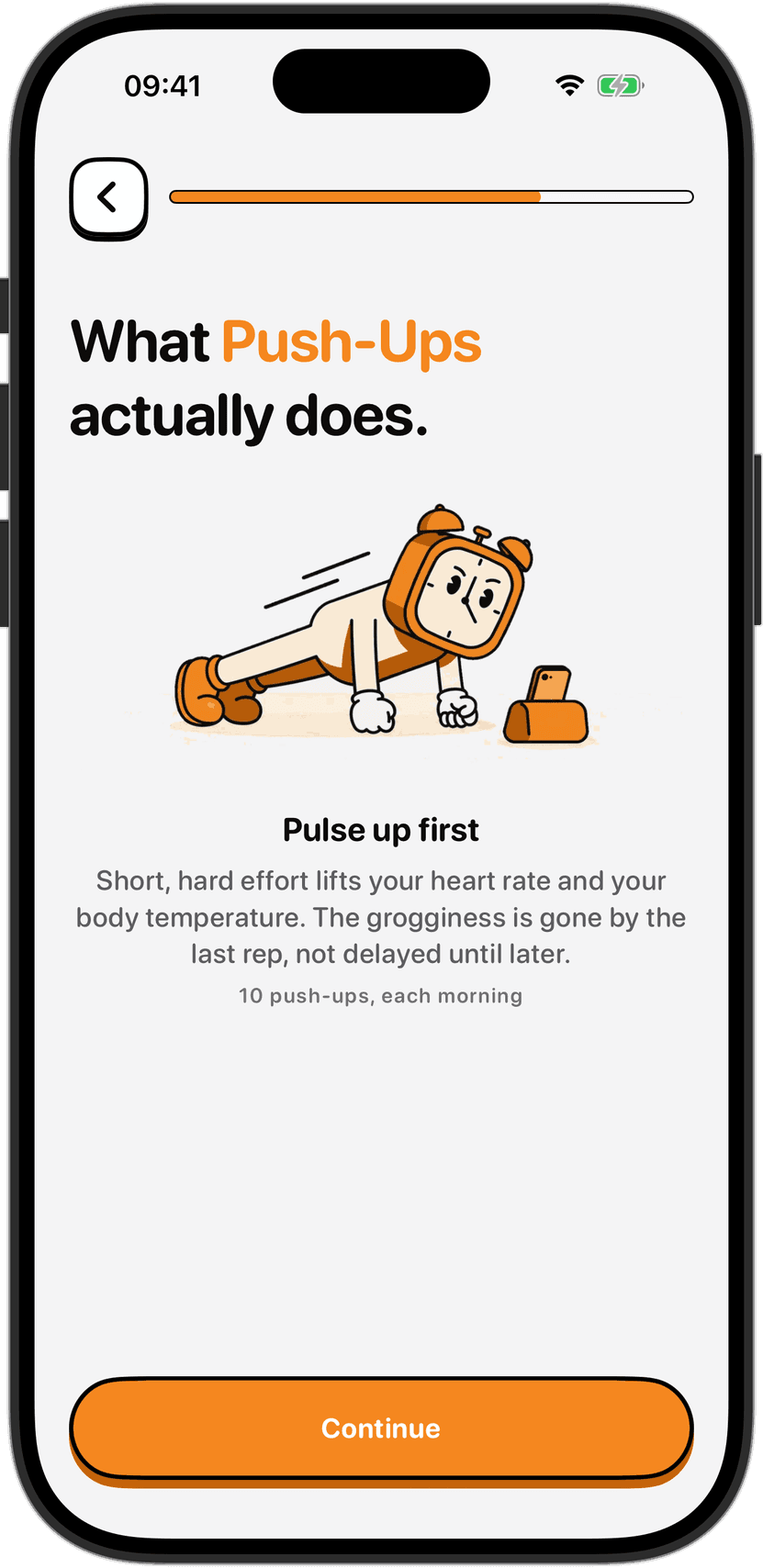
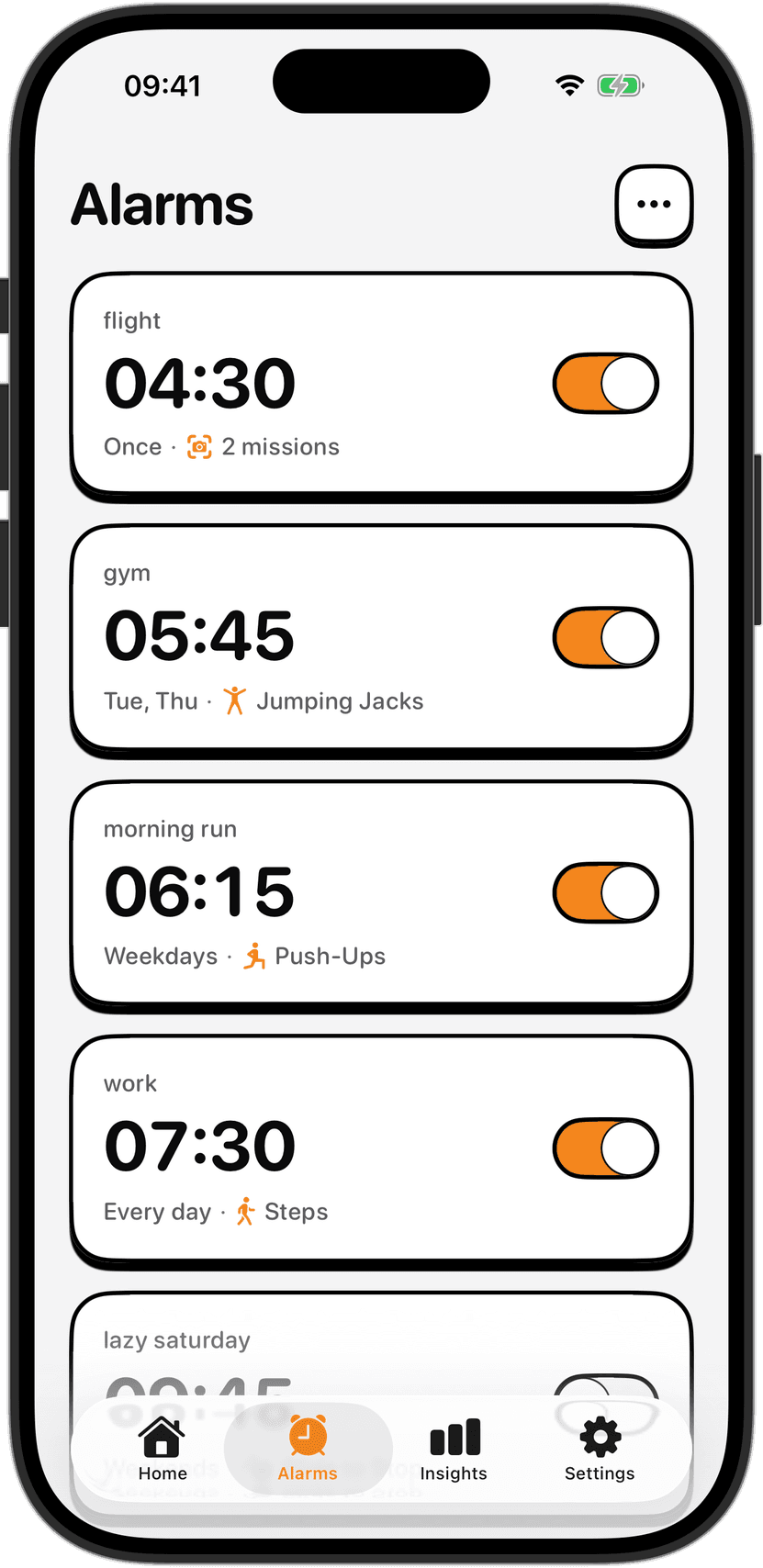
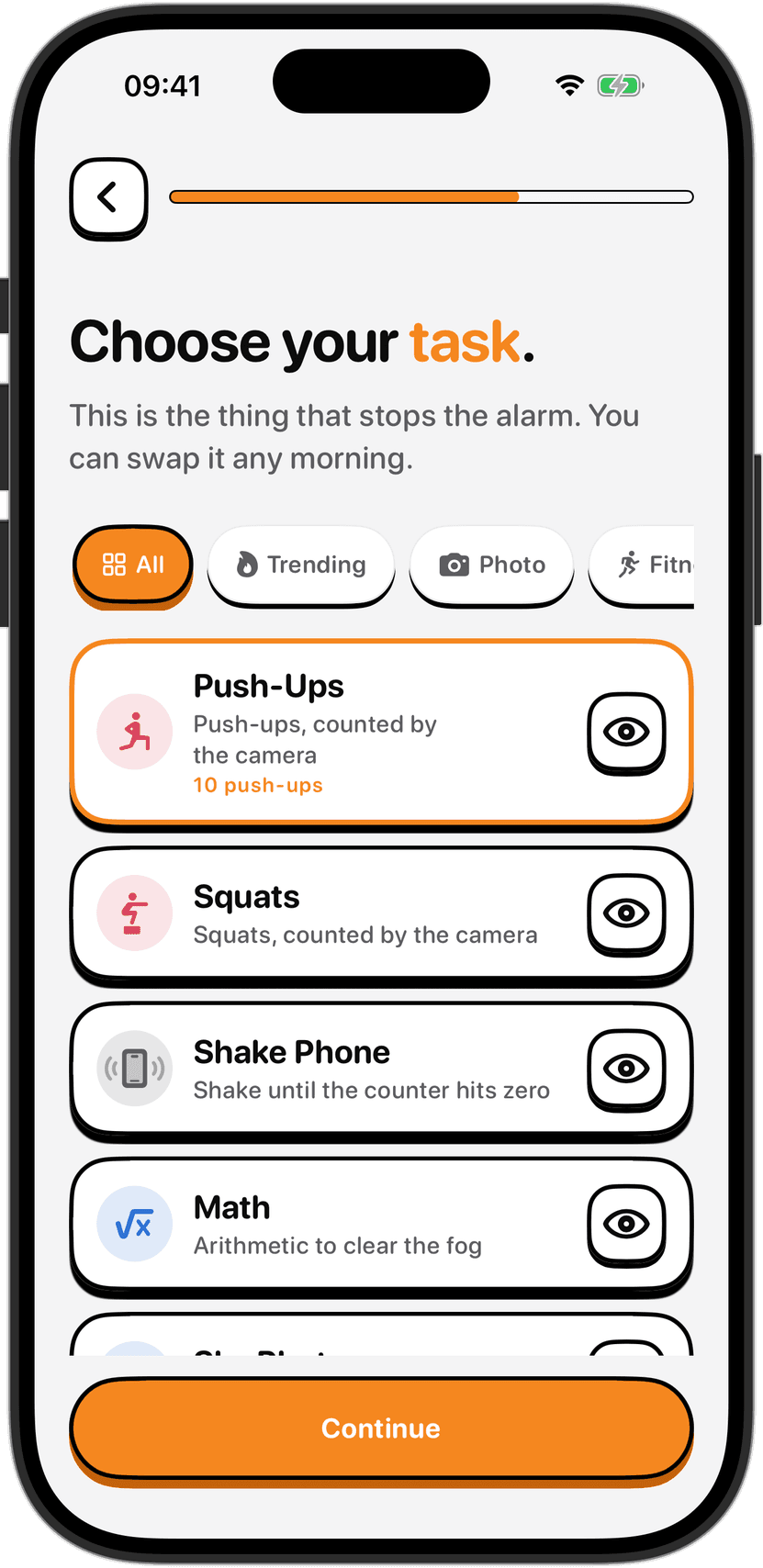
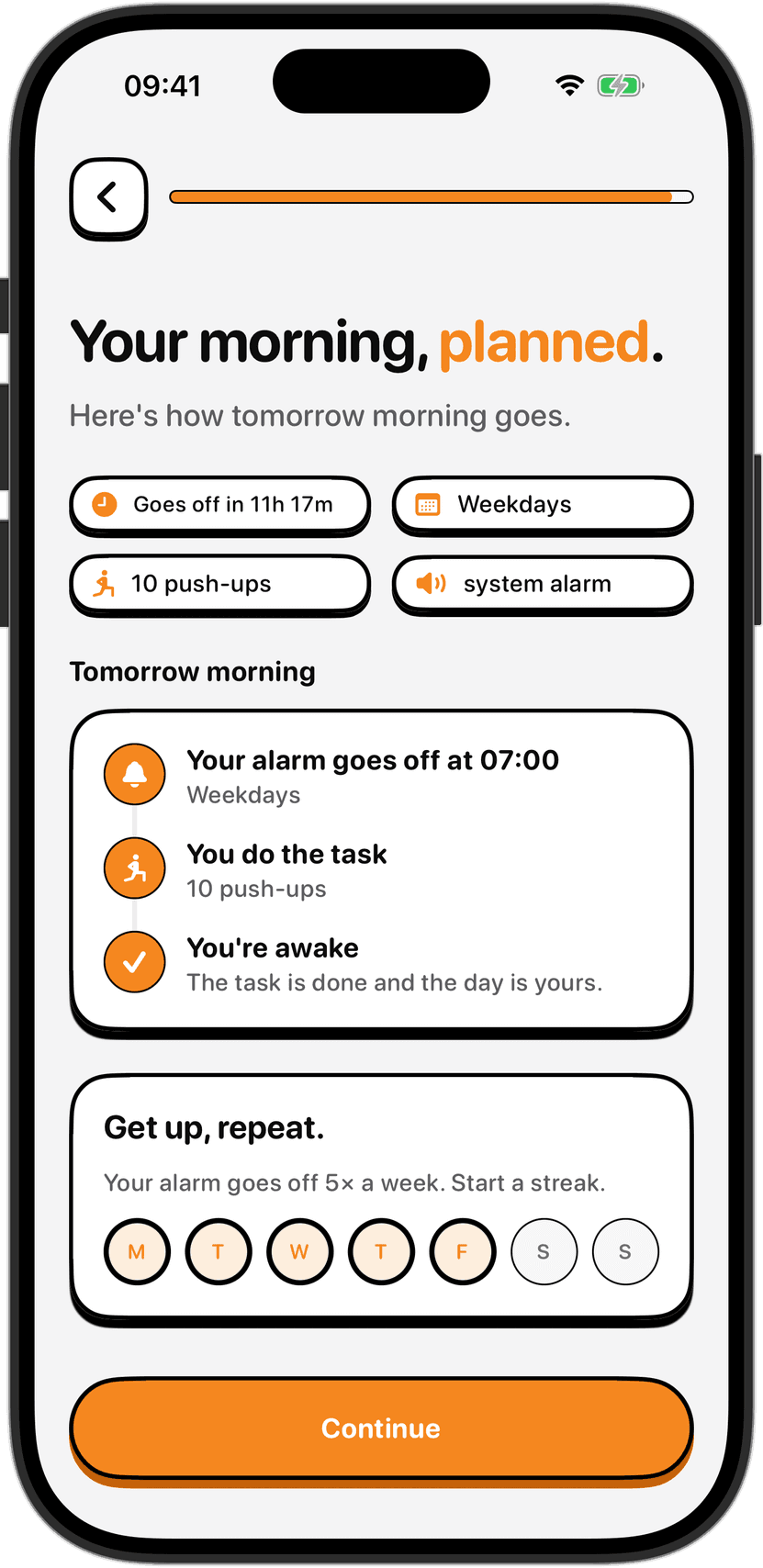
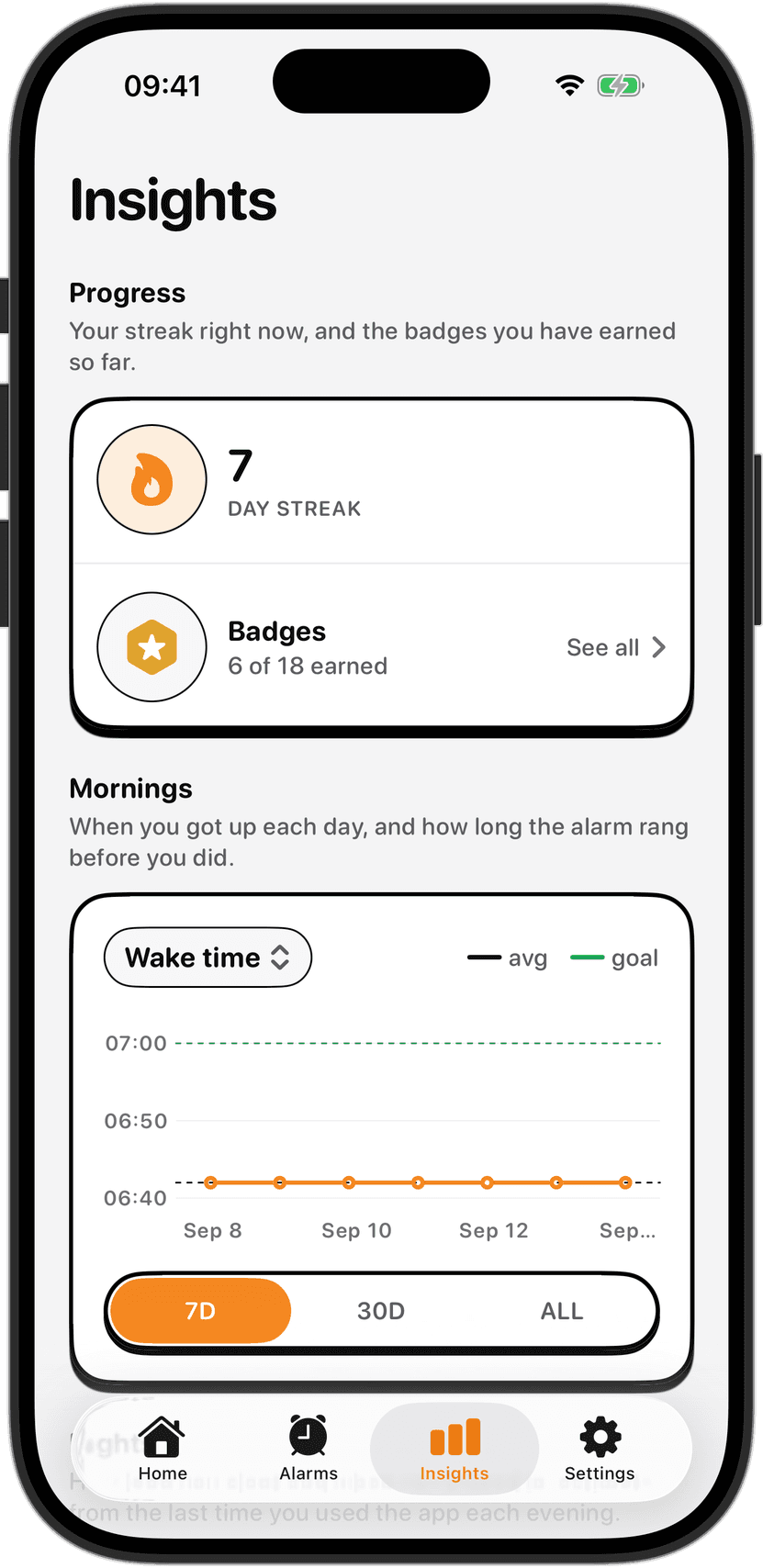
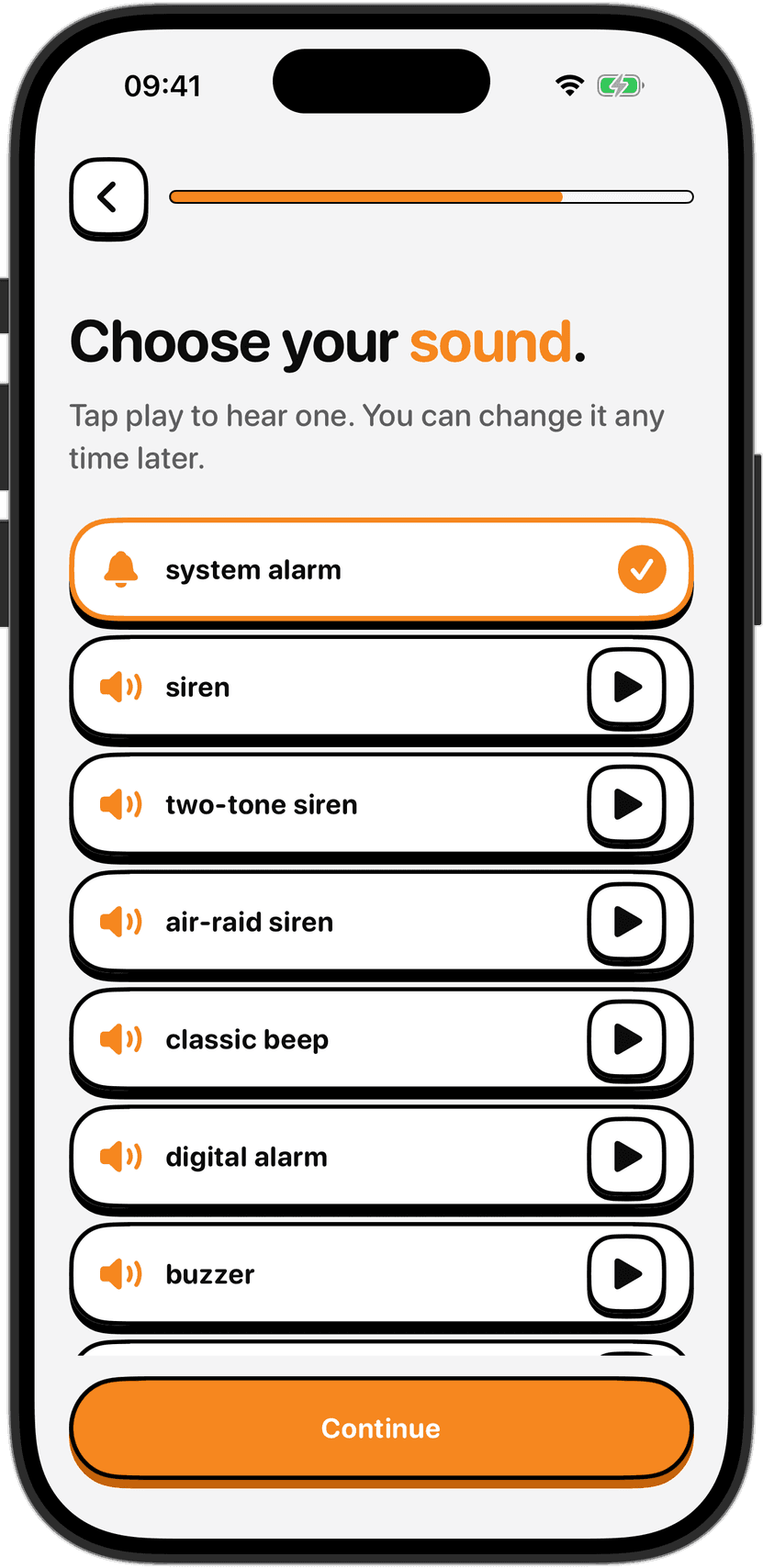
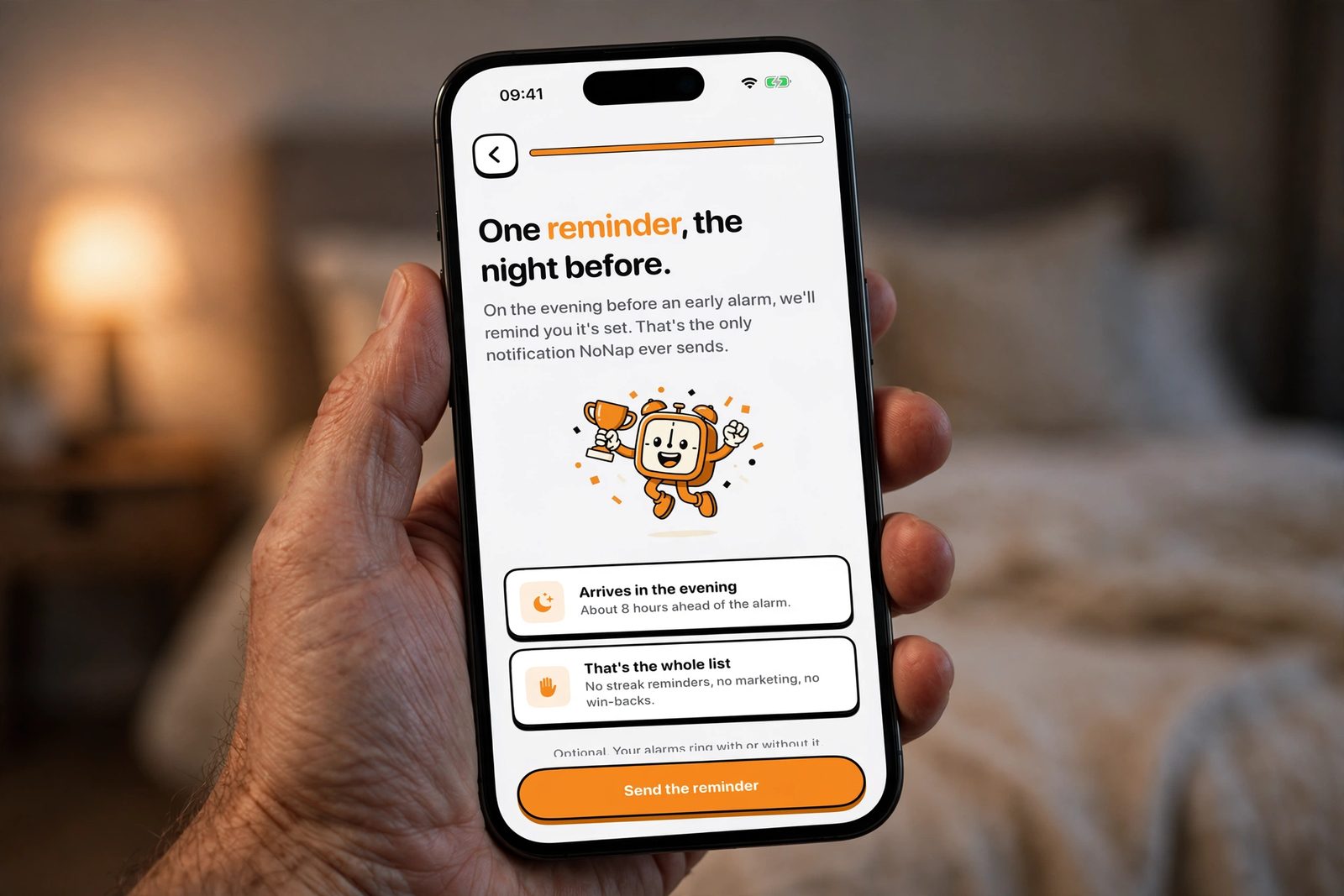
That's the kind of morning NoNap is built to survive. It runs on Apple's system alarm, the same one behind the Clock app, so the ring and silent switch and Sleep Focus don't mute it, and it can't be swiped away from the lock screen. Stopping it means finishing a short wake task chosen the night before, push-ups or squats counted by the camera (pick another task if exercise first thing isn't safe for you), a shake of the phone, a math problem, a photo, or simply getting out of bed. It won't undo a rough night. It just means the decision about whether to get up doesn't get left to the most dehydrated, most sleep-fragmented version of you the next morning.
Sources
Ebrahim, I. O., Shapiro, C. M., Williams, A. J., and Fenwick, P. B. (2013). Alcohol and Sleep I: Effects on Normal Sleep. Alcoholism: Clinical and Experimental Research, 37(4), 539-549. doi.org/10.1111/acer.12006
Gardiner, C., Weakley, J., Burke, L. M., Roach, G. D., Sargent, C., Maniar, N., Huynh, M., Miller, D. J., Townshend, A., and Halson, S. L. (2025). The effect of alcohol on subsequent sleep in healthy adults: A systematic review and meta-analysis. Sleep Medicine Reviews, 80, 102030. doi.org/10.1016/j.smrv.2024.102030
National Institute on Alcohol Abuse and Alcoholism. Hangovers. NIAAA brochures and fact sheets, accessed August 2026. niaaa.nih.gov/publications/brochures-and-fact-sheets/hangovers
Burgos-Sanchez, C., Jones, N. N., Avillion, M., Gibson, S. J., Patel, J. A., Neighbors, J., Zaghi, S., and Camacho, M. (2020). Impact of Alcohol Consumption on Snoring and Sleep Apnea: A Systematic Review and Meta-analysis. Otolaryngology-Head and Neck Surgery, 163(6), 1078-1086. doi.org/10.1177/0194599820931087
Sleep Foundation. The Link Between Alcohol and Sleep Apnea, accessed August 2026. sleepfoundation.org/sleep-apnea/alcohol-and-sleep-apnea
Gunn, C., Mackus, M., Griffin, C., Munafo, M. R., and Adams, S. (2018). A systematic review of the next-day effects of heavy alcohol consumption on cognitive performance. Addiction, 113(12), 2182-2193. doi.org/10.1111/add.14404
Ayre, E., Scholey, A., White, D., Devilly, G. J., Kaufman, J., Verster, J. C., Allen, C., and Benson, S. (2021). The Relationship between Alcohol Hangover Severity, Sleep and Cognitive Performance: A Naturalistic Study. Journal of Clinical Medicine, 10(23), 5691. doi.org/10.3390/jcm10235691
Image credits
Cover photo by shche_ team on Unsplash (unsplash.com/photos/a-glass-of-wine-sitting-on-top-of-a-bed-rGWwGu3I2nY), used under the Unsplash License, which permits commercial use without attribution.