Why hot nights wreck sleep, and what actually helps
Warm bedrooms block the temperature drop sleep needs. What global heat data show, the ideal bedroom temperature, and how to cool a room without AC.
Visana Studios
6 min read
Fourteen minutes doesn't sound like much, until it happens most nights of a whole summer. That is roughly how much sleep the average adult loses on a night above 86 degrees Fahrenheit, based on tracking data covering 68 countries. Stack a few degrees of extra warmth across a few thousand nights and the arithmetic on a warming planet turns uncomfortable fast.
The two degrees you have to lose
Falling asleep isn't just a decision to close your eyes. It's a drop in core body temperature, usually around two degrees Fahrenheit, that starts roughly two hours before you actually nod off. The signal comes from the circadian clock, timed to rising melatonin, and the body carries it out through vasodilation: blood vessels in the hands and feet widen, blood flow to the skin increases, and heat radiates out into the room. Warm hands and feet at bedtime aren't a sign of getting sick. They're the plumbing working correctly.
A hot bedroom breaks that plumbing. If the surrounding air sits close to skin temperature, heat has nowhere obvious to go, so the core stays warmer for longer, and sleep either arrives late or arrives shallow. It's a mechanical problem before it's anything else, not a matter of mood or discipline.
What a warming world is doing to sleep
The scale behind that fourteen-minute figure comes from one of the largest sleep studies ever run outside a lab. Kelton Minor and colleagues at the University of Copenhagen linked more than seven million nightly sleep records from over 47,000 adults, gathered by accelerometer wristbands between September 2015 and October 2017, to local weather data across 68 countries. Published in the journal One Earth in 2022, the analysis found that heat erodes sleep from both ends of the night. People fall asleep later and wake up earlier as the temperature climbs, and above 30 degrees Celsius, sleep duration fell by just over 14 minutes on average. The odds of getting under seven hours a night rose right along with the thermometer.
The effect wasn't spread evenly. It hit older adults and women harder, and it was substantially larger in lower income countries, where air conditioning is less common. None of this comes from a controlled experiment. It's observational, built from real bedrooms and real weather rather than a lab thermostat, and that is part of what makes the pattern hard to wave off: the same relationship between heat and shorter sleep showed up across dozens of countries and two full years, not one city's data over one summer. On current warming trends, the authors project that suboptimal temperatures could cost the average person 50-58 additional hours of sleep a year by 2099.
How warm is too warm
The commonly cited target for a bedroom is 65-68 degrees Fahrenheit, a range the Sleep Foundation and most sleep clinicians point to as comfortable for the largest share of people. It isn't a hard scientific cutoff drawn from one definitive trial. It's closer to a working consensus built from clinical experience and smaller studies, and actual tolerance shifts with humidity, bedding weight, and plain habit. Someone who has slept without air conditioning their whole life in a humid climate will tolerate a warmer room than someone who grew up with central air running constantly. Treat the number as a reasonable starting point, not a target to chase with a thermostat app at 2 a.m.
Cooling a room without the AC running all night
Most practical advice on hot weather sleep comes down to managing when heat gets into a room and how it gets out again. The NHS recommends closing curtains and blinds during the day to block direct sun, then opening windows at night once the air outside has actually dropped below the air inside. A single open window does less than two working together: air moving in through one and out through another actually moves through the room instead of pooling near one wall.
A fan by itself has limits. The NHS notes that electric fans help once the air is below about 35 degrees Celsius (95 Fahrenheit); above that, moving hot air around does less good and can add strain in very humid conditions rather than relieve it. Breathable bedding, cotton or linen sheets rather than synthetic ones, lets sweat evaporate instead of sitting against skin. A cool shower an hour or so before bed, or an ice pack held briefly at the wrists, neck or temples, gives the body a head start on the temperature drop it's already trying to manage. None of this substitutes for air conditioning on the genuinely dangerous nights. It buys back some of what heat takes on the nights just short of that.
Hot weather sleep loss is mostly a comfort problem, but heat itself carries real health risk beyond a bad night's sleep. Infants, older adults and anyone with a heart or breathing condition face higher danger in a heatwave, and a headache, dizziness, confusion or skin that has stopped sweating point toward heat exhaustion or heat stroke rather than ordinary sleeplessness. That calls for medical attention, not a cooler pillow.
Why the alarm feels worse the morning after
Heat mostly steals sleep from the two ends of the night, pushing the start later and pulling the finish earlier, so what's left in the middle isn't just shorter. It also tends to be more broken. That matters more than it sounds like it should, because how rough the first few minutes after waking feel depends heavily on how much sleep came before them. A 2019 study by McHill and colleagues in the journal Sleep put people through repeated nights of restricted sleep, close to 5.6 hours, against a group sleeping nearer to eight, then tested reaction time right at the moment of waking. The restricted group performed about 10 percent worse in the first two minutes after the alarm and took roughly 70 minutes to climb back to their normal level, versus about 10 minutes for the well rested group. They didn't even feel more tired, which is its own warning: the body can be running well below its baseline without reporting it. The first minutes after any alarm are already a hard negotiation with a groggy brain. A summer of short, hot nights stacks more weight on the wrong side of that negotiation.
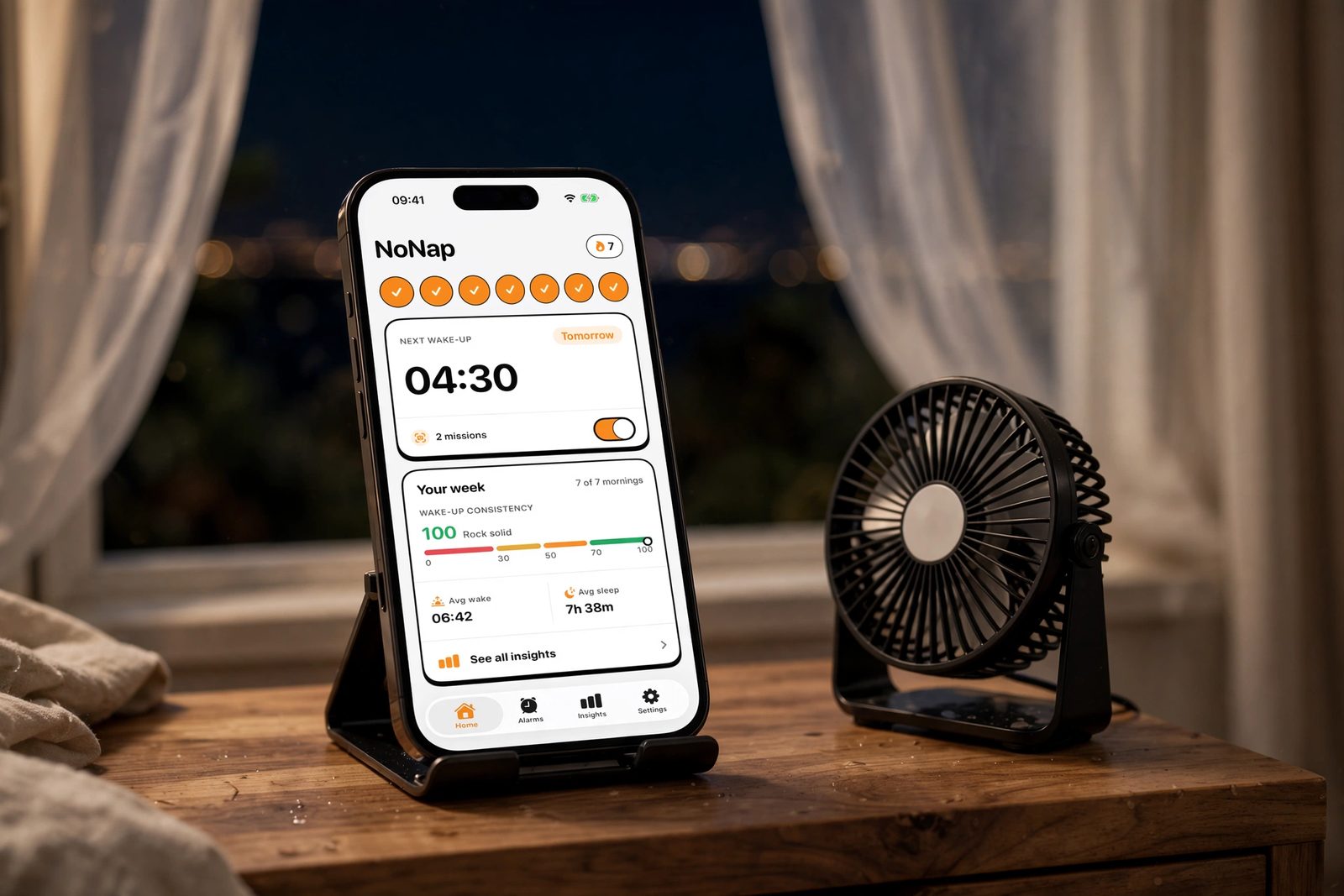
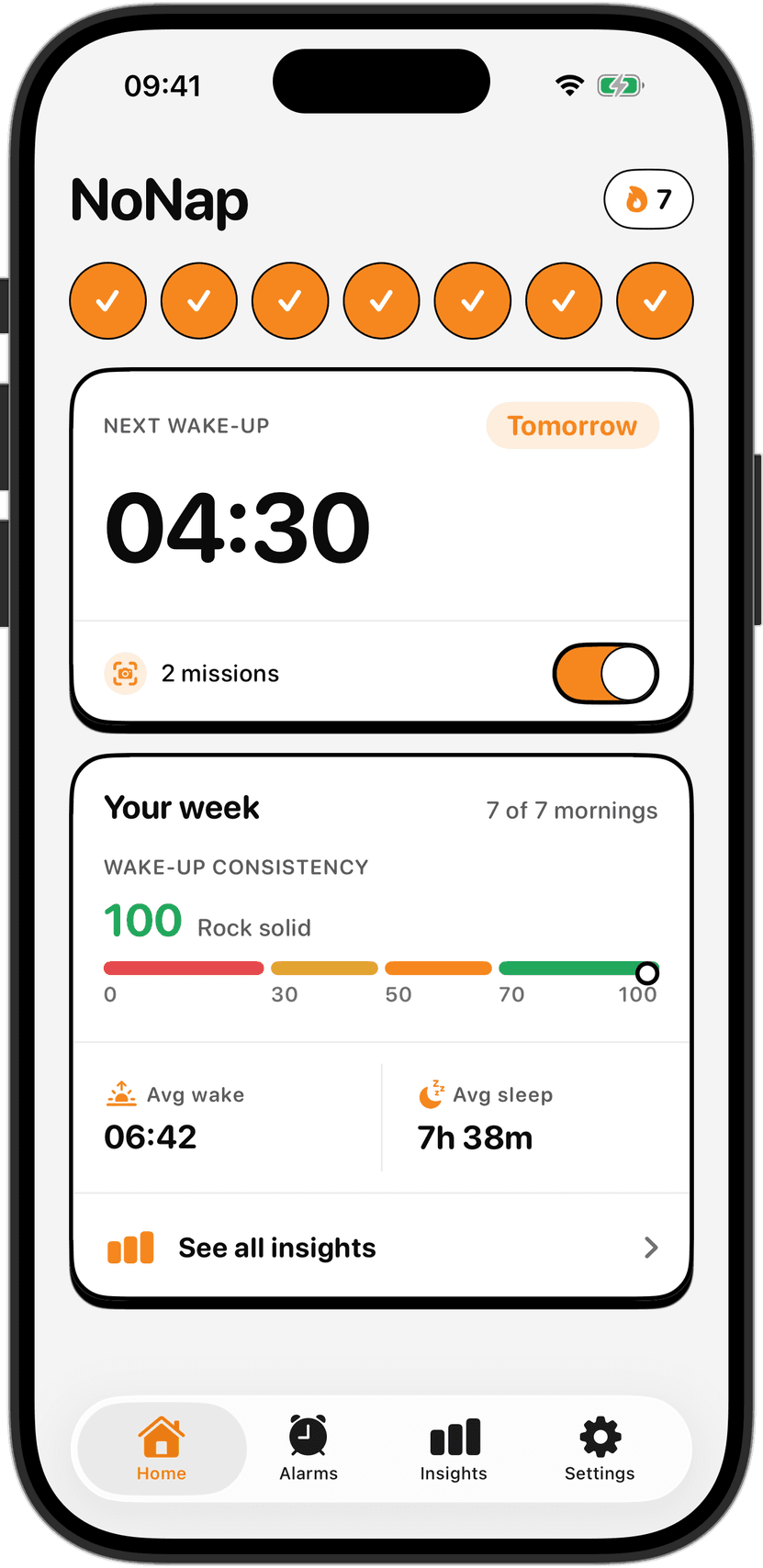
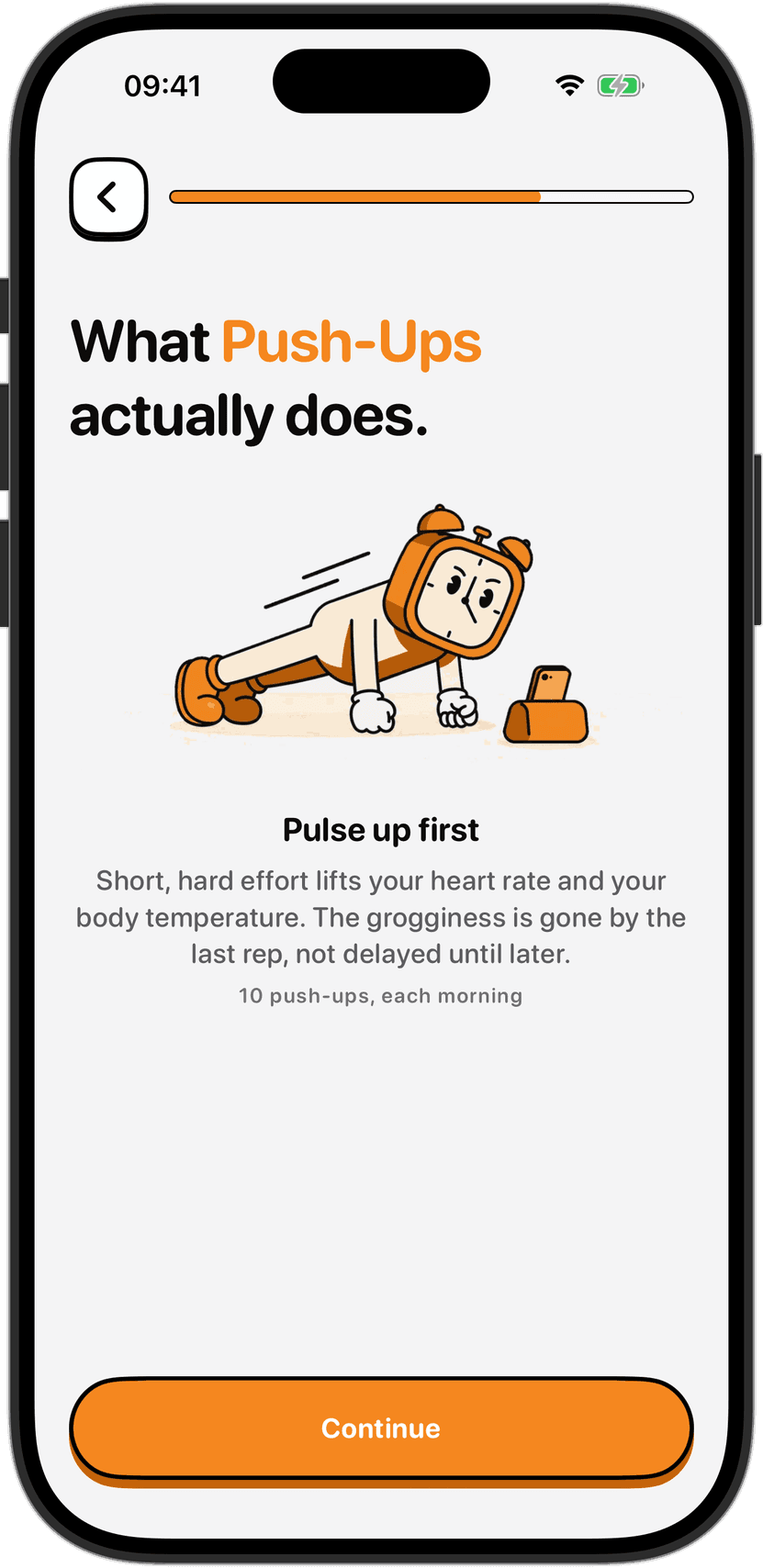
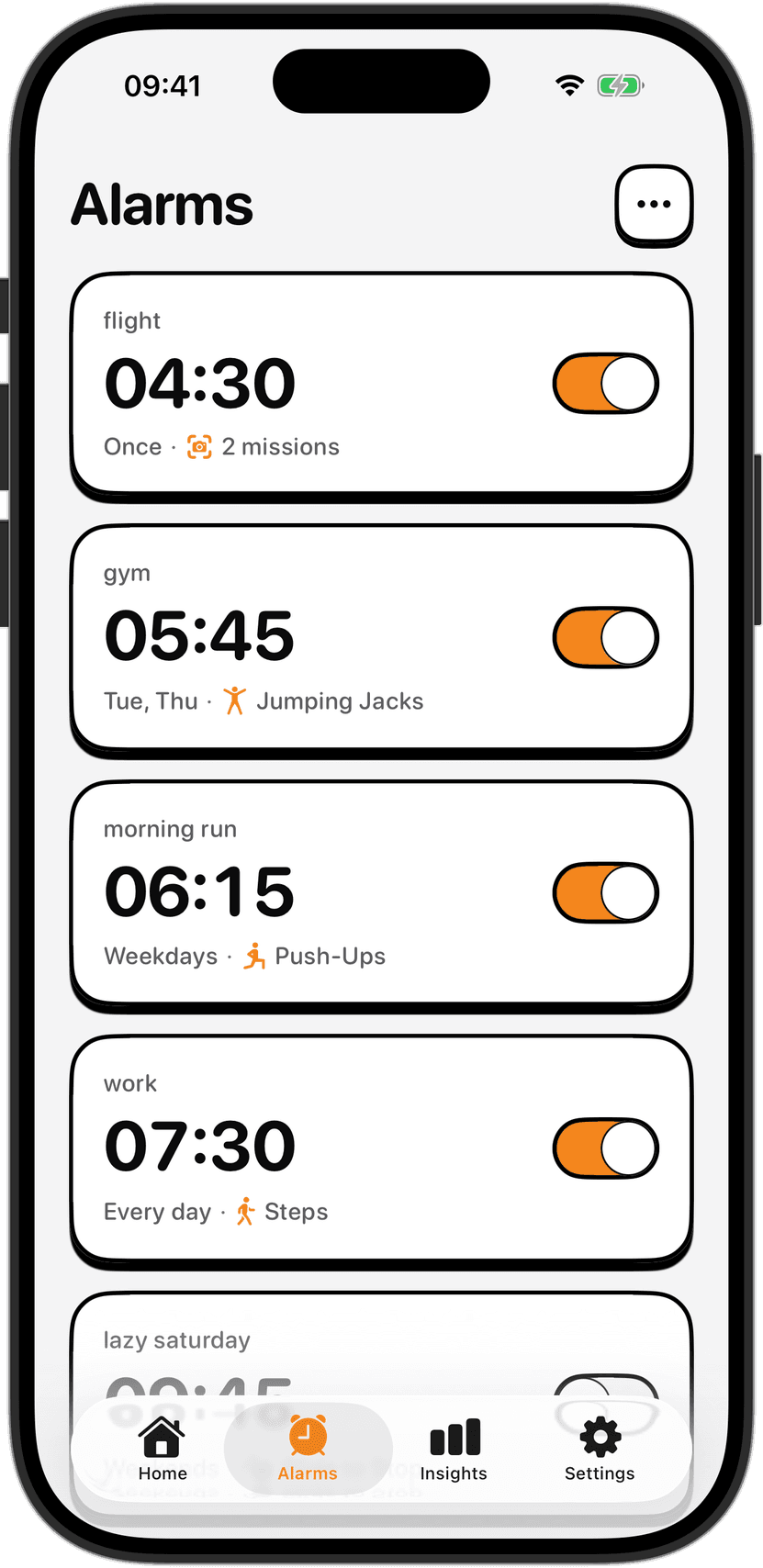
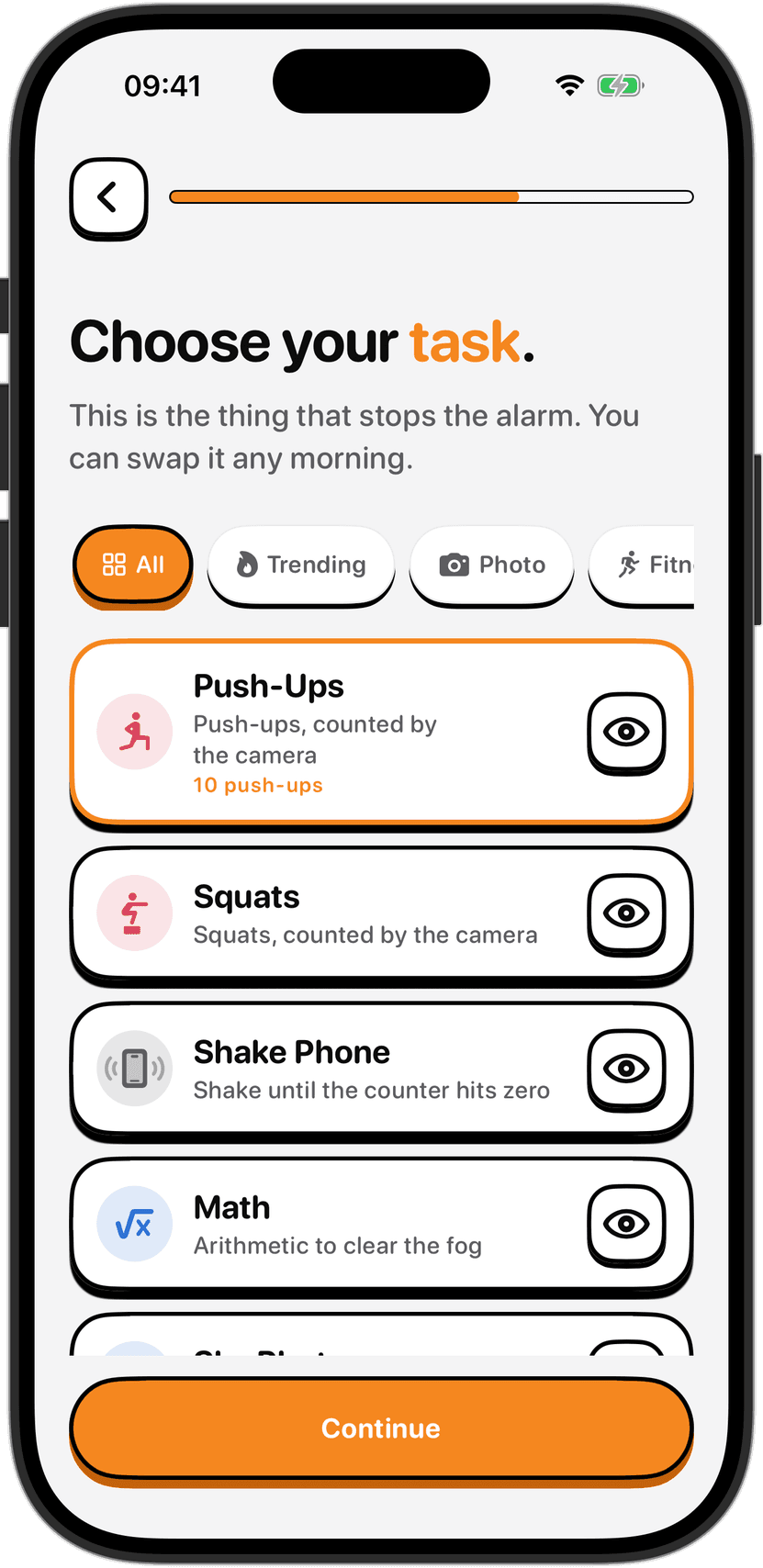
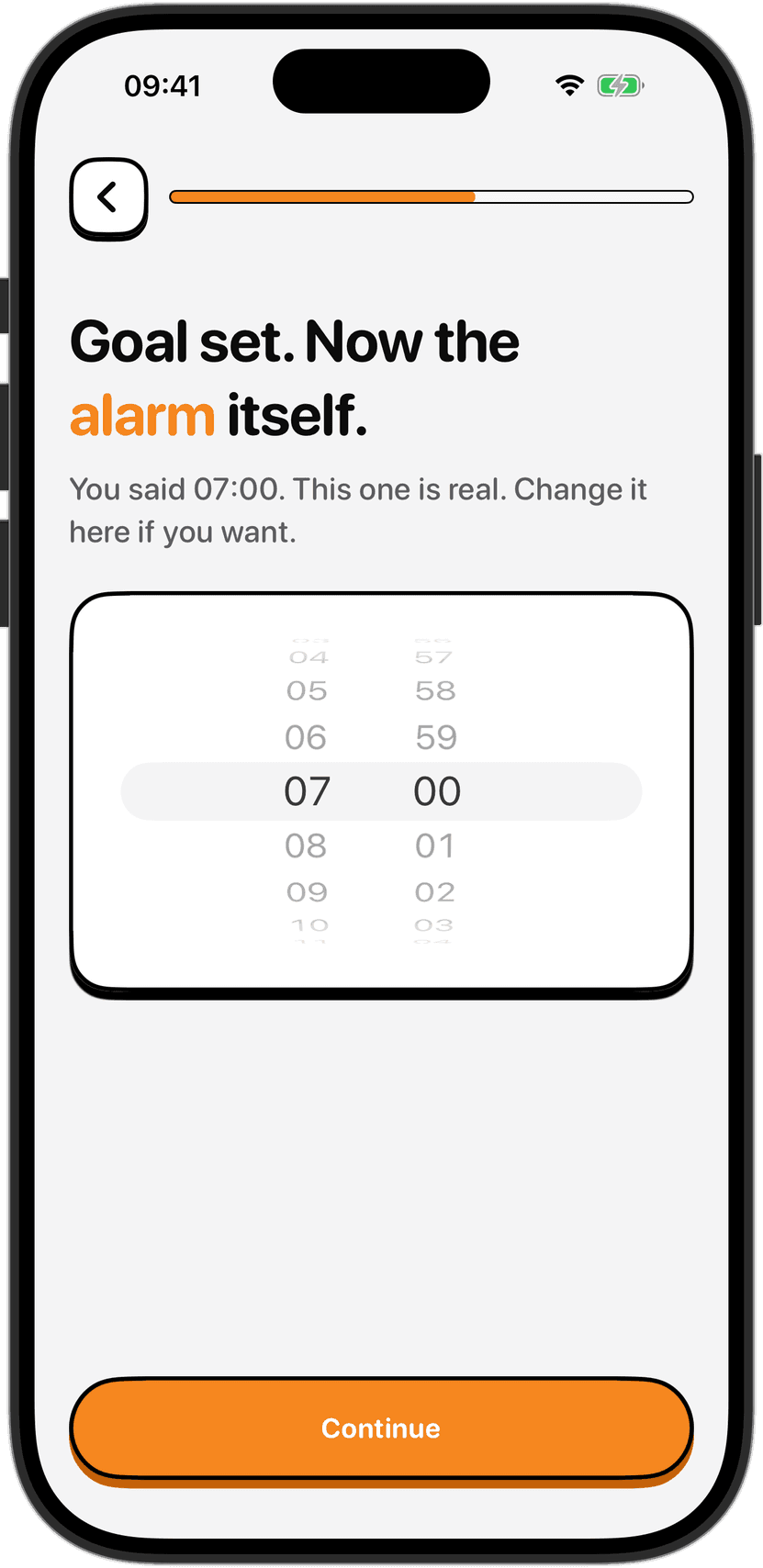
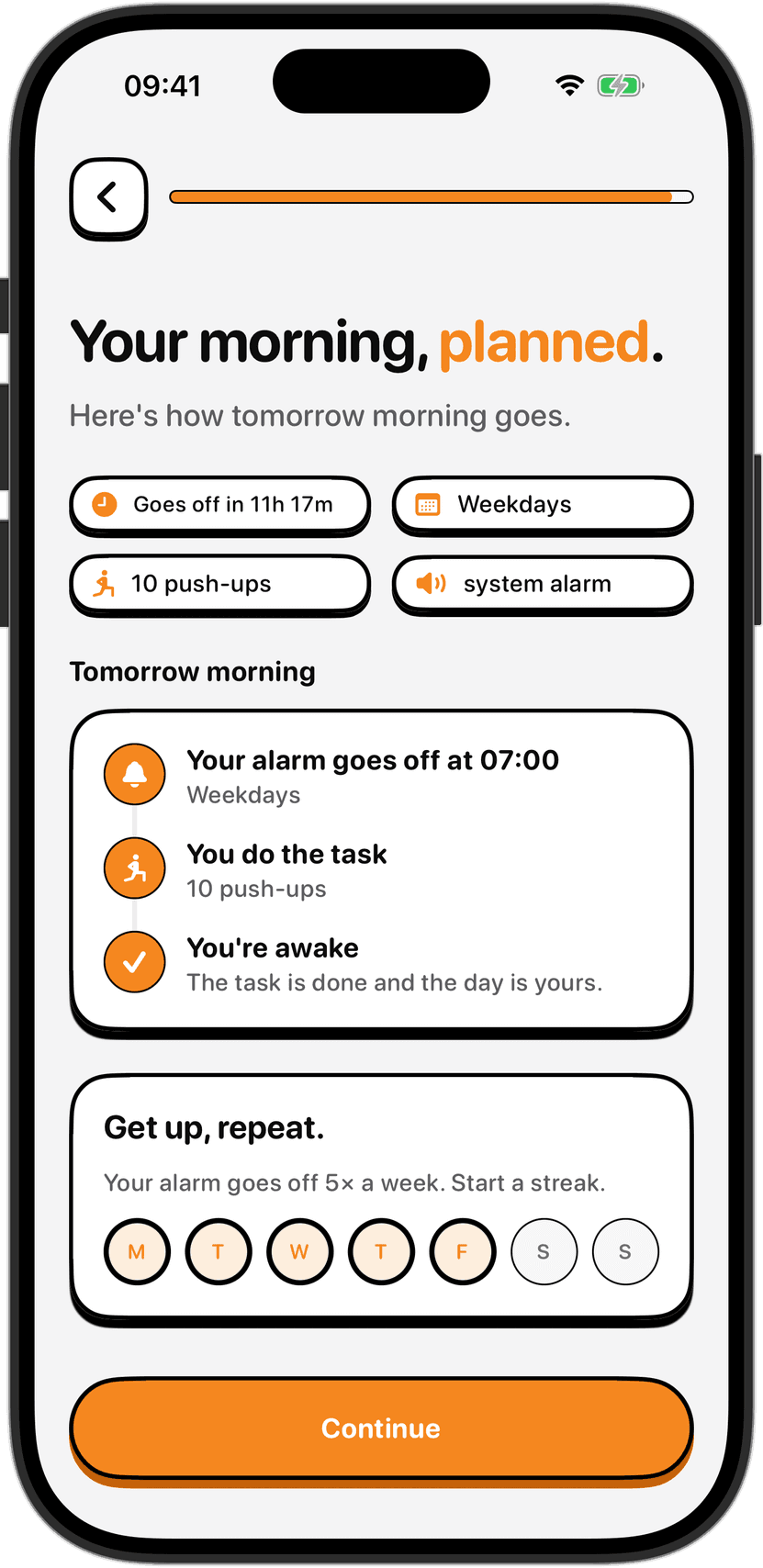
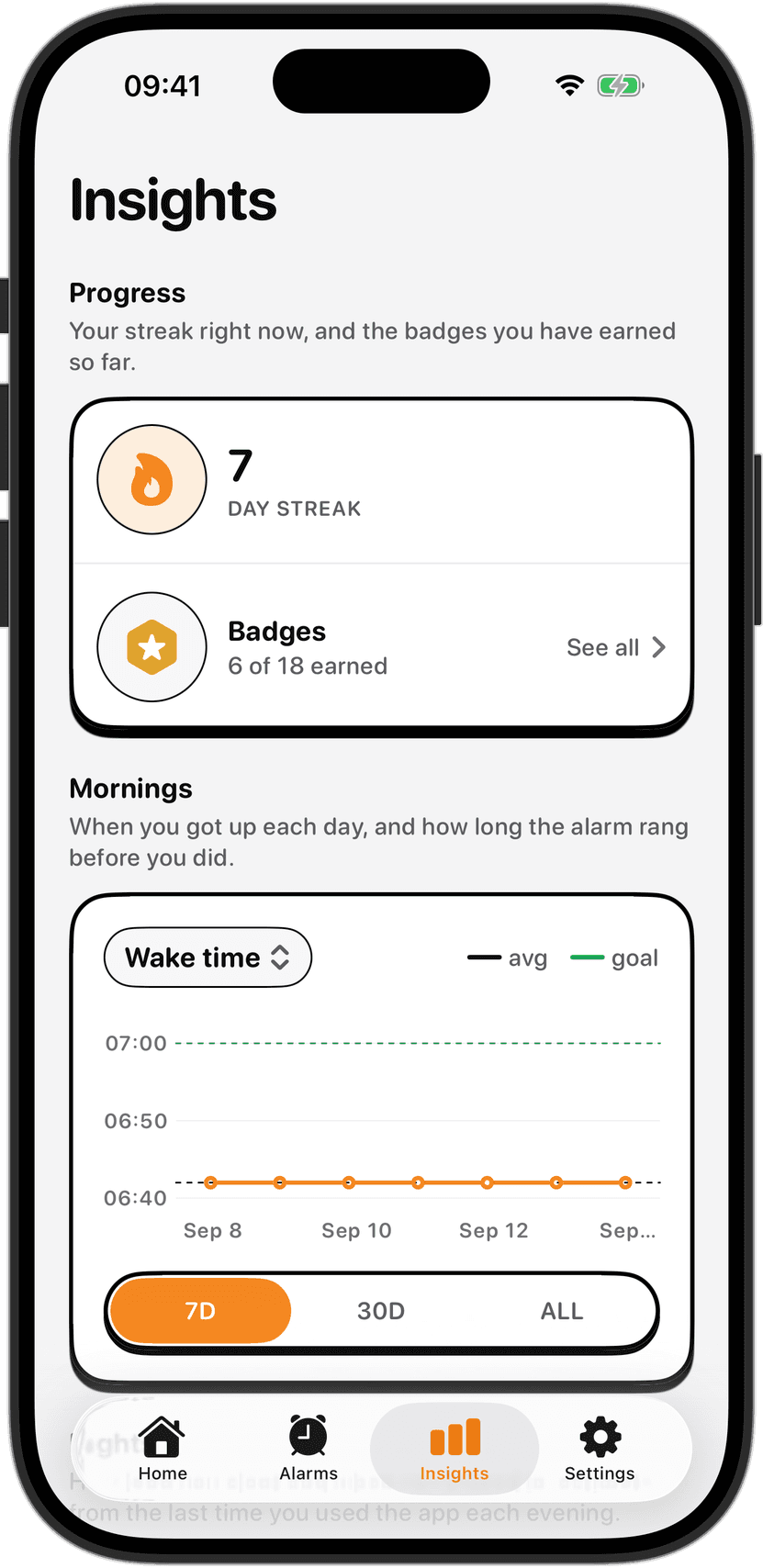
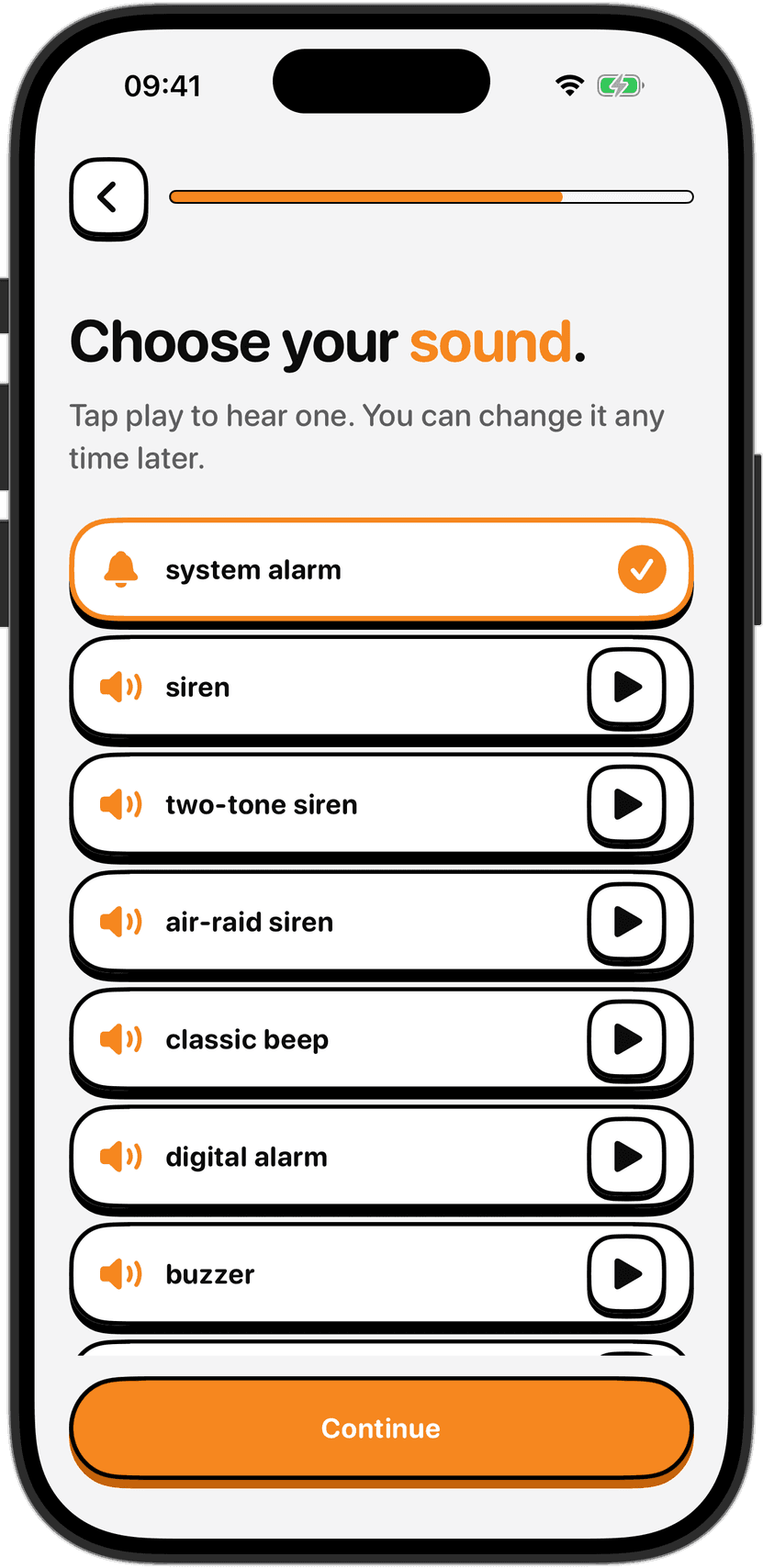
That's close to the exact gap NoNap is built for. It's one alarm with no snooze button, running on iPhone's system alarm, the same one behind the Clock app, so a hot night that also left the Ring/Silent switch flipped or a Focus mode on doesn't quietly let you sleep through it. Stopping it means finishing a short task, push-ups or squats counted by the camera, shaking the phone, a math problem, a photo, or making the bed, instead of making a half-asleep call about nine more minutes. Anyone choosing a physical task on a night that ran hot and short should ease into it: keep the space around you clear, and switch to something gentler like Math or Shake Phone if push-ups feel like too much that particular morning. No alarm can promise that anyone wakes up, hot night or cool one, but the wake-up insights that track average sleep and consistency make one rough, sticky week easier to see as a blip instead of a broken habit.
Sources
Minor, K., Bjerre-Nielsen, A., Jonasdottir, S. S., Lehmann, S., and Obradovich, N. (2022). Rising temperatures erode human sleep globally. One Earth, 5(5), 534-549. cell.com/one-earth/fulltext/S2590-3322(22)00209-3
Sleep Foundation. The Best Temperature for Sleep, accessed August 2026. sleepfoundation.org/bedroom-environment/best-temperature-for-sleep
Sleep Foundation. How to Cool a Room When It's Too Hot To Sleep, accessed August 2026. sleepfoundation.org/bedroom-environment/how-to-cool-a-room-during-summer
NHS. Heatwave: How to Cope in Hot Weather, accessed August 2026. nhs.uk/live-well/seasonal-health/heatwave-how-to-cope-in-hot-weather/
McHill, A. W., Hull, J. T., Cohen, D. A., Wang, W., Czeisler, C. A., and Klerman, E. B. (2019). Chronic sleep restriction greatly magnifies performance decrements immediately after awakening. Sleep, 42(5), zsz032.
Image credits
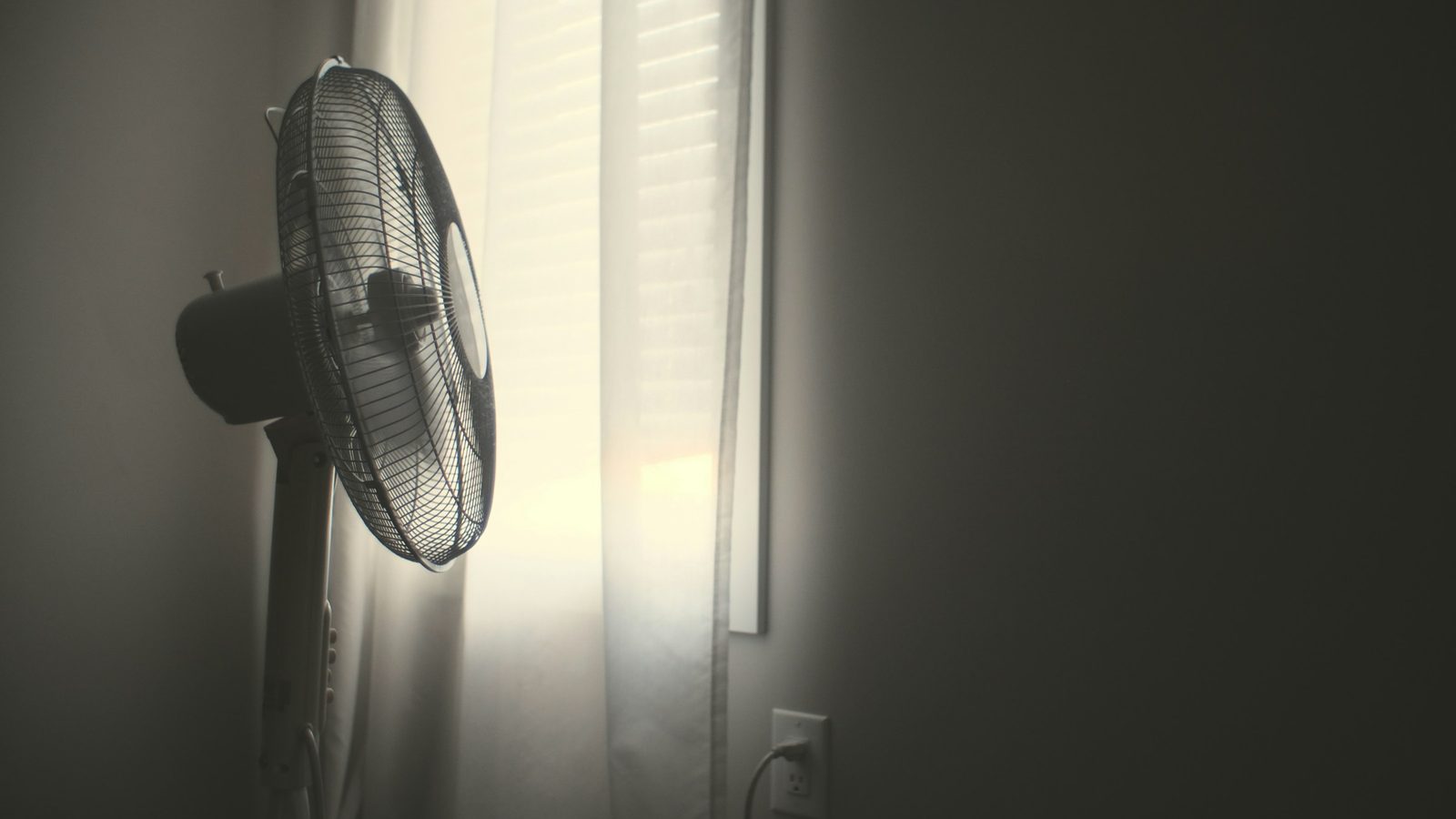
Cover photo by Andrew George on Unsplash (unsplash.com/photos/white-wall-fan-turned-on-near-white-window-blinds-npImOWRVWyg), used under the Unsplash License, which permits commercial use without attribution.