Resetting your teen's sleep schedule for school
Why teenagers' body clocks run later just as school starts earlier, what the sleep research shows, and how to shift bedtime back before the bell rings.
Visana Studios
5 min read
School starts again, and somewhere between the first alarm and the walk out the door, a teenager's body is arguing with the clock on the wall. That argument has a name. During puberty, the internal circadian clock and the pressure to sleep that builds across the day both shift later, so the body wants to fall asleep later and wake up later right as the school calendar asks for the opposite. A teenager struggling to slide back into an early morning routine in September isn't dragging their feet. Biology is running late, and the first bell hasn't moved to meet it.
Why the teenage clock runs late
Puberty resets more than height and voice. A National Academies workshop summary on adolescent sleep describes melatonin, the hormone that signals night to the brain, beginning to rise later in teenagers than it did when they were children. The same hormone also stays elevated further into the morning, clearing well after it would have in a nine year old. That's a large part of why 6:30am can feel like being dragged out of the deepest part of the night rather than a normal wake up. The workshop report also discusses research by sleep scientist Mary Carskadon describing this as a phase delay tied to pubertal development itself, not a habit picked up from a phone. It shows up even in teenagers who don't own one. The first half hour after that alarm goes off has its own separate cost, worth understanding on its own if mornings already feel like a fight.
What the numbers say
The gap between what teenagers need and what they get is large, and it has been getting larger. The American Academy of Sleep Medicine recommends 8 to 10 hours of sleep a night for 13 to 18 year olds. A national survey analyzed by the CDC found that 72.7 percent of high school students slept less than that on an average school night in 2015. Almost a decade on, the picture is worse. An analysis of Youth Risk Behavior Survey data published in JAMA found that the share of high schoolers getting seven hours of sleep a night or less rose from 68.9 percent in 2007 to 76.8 percent in 2023. The sharpest climb was among students sleeping five hours or less, which grew from 15.8 percent to 23 percent over the same seventeen years. Almost a quarter of American teenagers are running school days on less sleep than a toddler needs just to get through a normal afternoon.
Early bells, later clocks
Sleep medicine and pediatric groups have converged on one structural fix. The American Academy of Sleep Medicine, alongside the American Academy of Pediatrics, the American Medical Association and the CDC, has called for middle and high schools to start no earlier than 8:30am, specifically because adolescent circadian rhythm and sleep drive shift later during these years. Where a district has actually moved its bell schedule, students gain sleep they don't have to fight their own biology for. Most families aren't waiting on a school board vote, though. If the first bell rings at 7:30 this year the same as last year, the adjustment has to happen at home, and it works far better started before the first day than attempted on it.
Shifting the clock back before the bell rings
None of this responds well to trying to fix it in one night. The Sleep Foundation recommends moving bedtime and wake time in small steps, about 15 minutes every few days, rather than attempting a two hour jump the weekend before term starts. Morning light helps hold the earlier schedule in place once it's set, since exposure to daylight shortly after waking is one of the strongest signals the circadian clock responds to. Caffeine works against the shift when it lingers in the system, so cutting it off four to six hours before the new bedtime matters more for a body already struggling to fall asleep early. The single most useful habit, per CDC guidance for families, is a wake time that barely moves between school days and weekends. A teenager who sleeps until noon on both weekend mornings is undoing two nights of progress every single week.
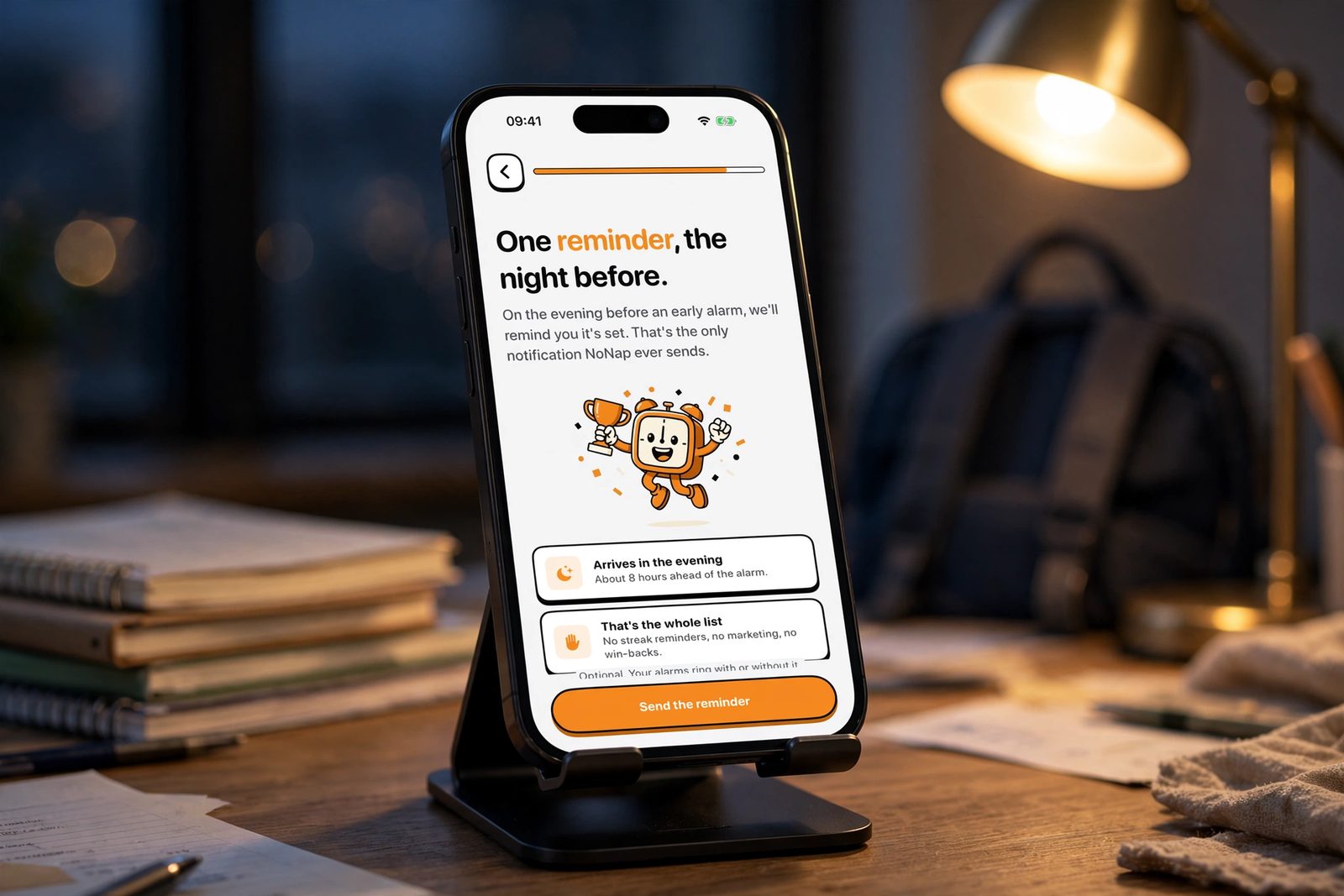
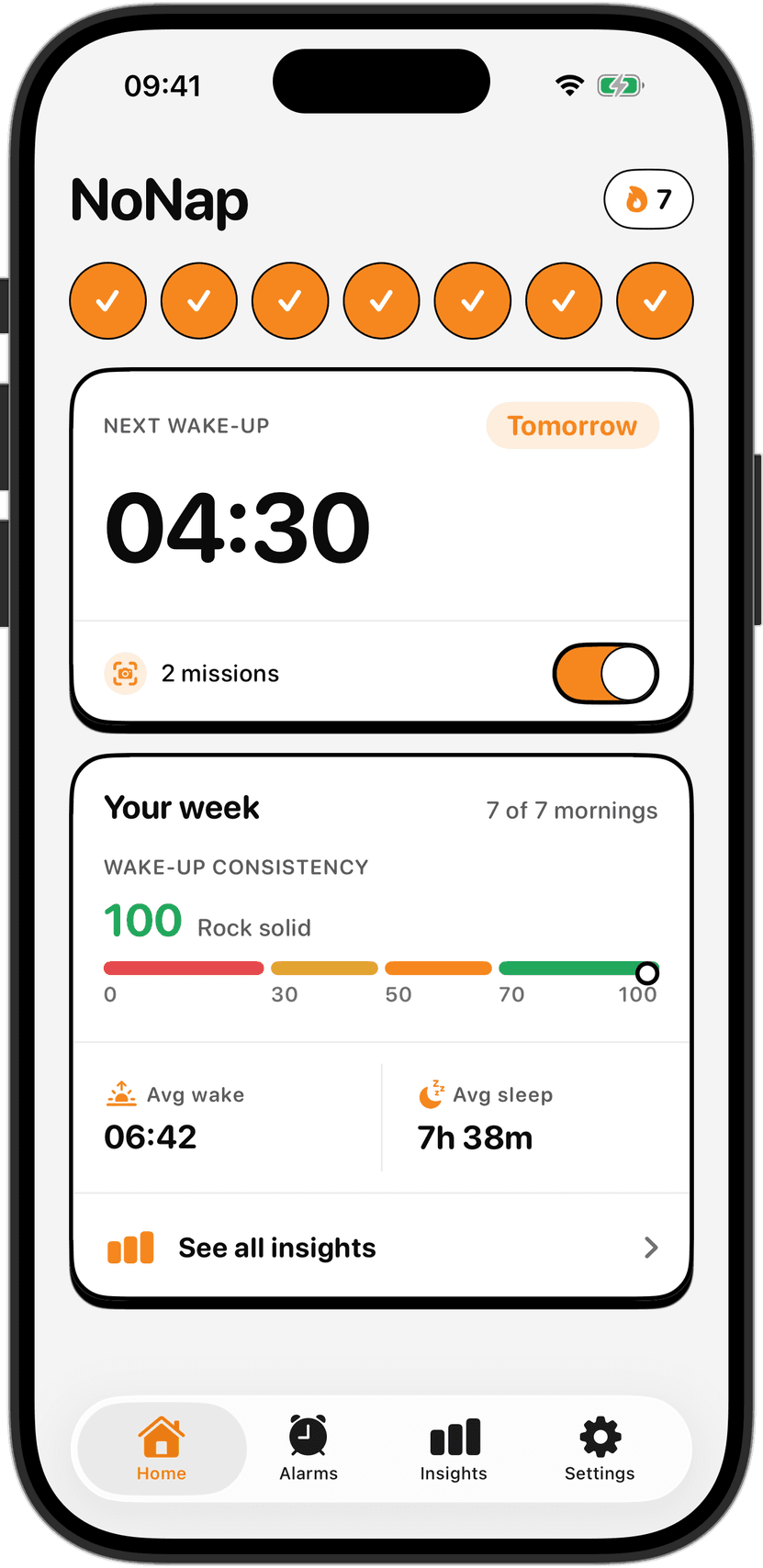
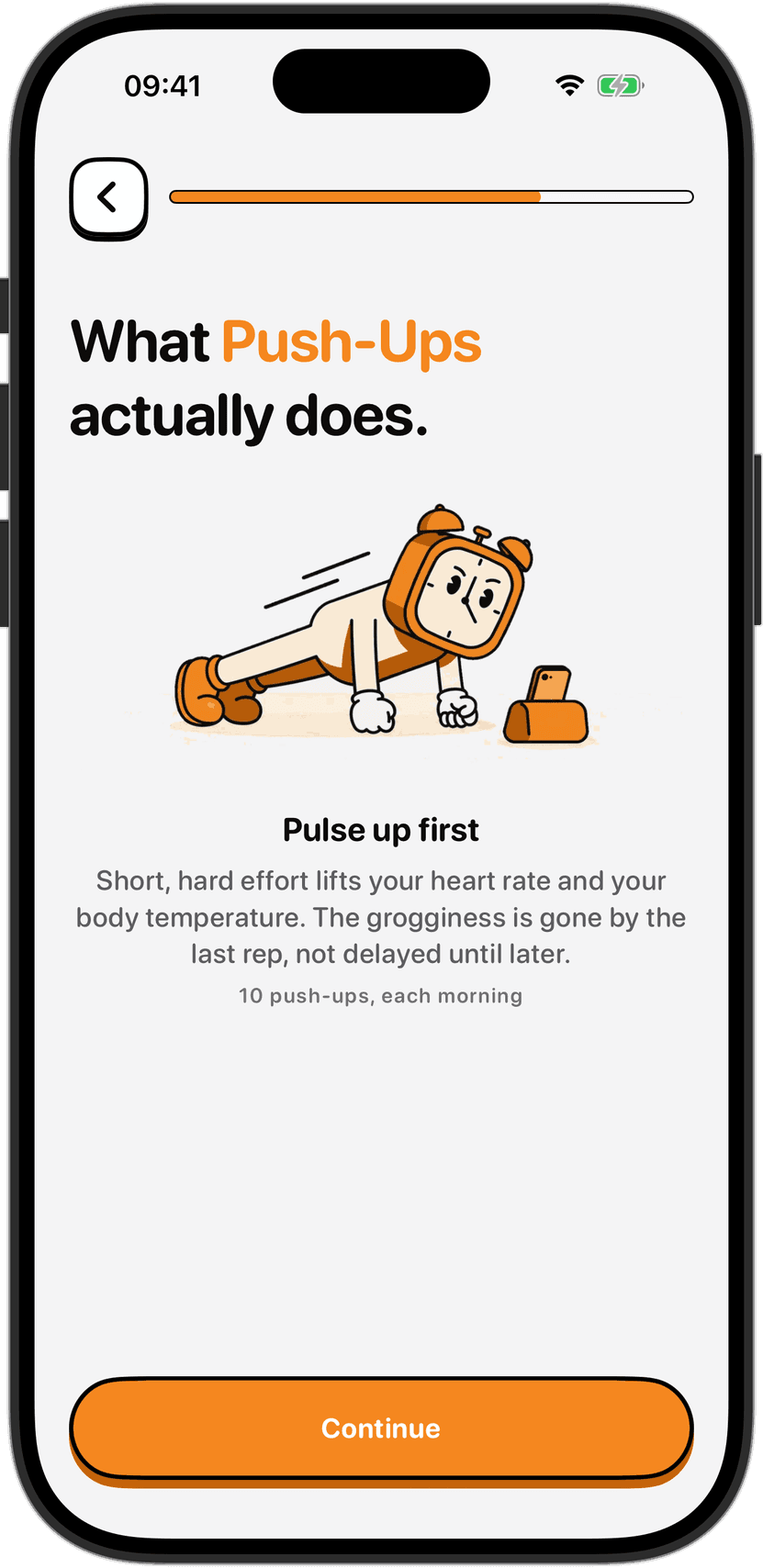
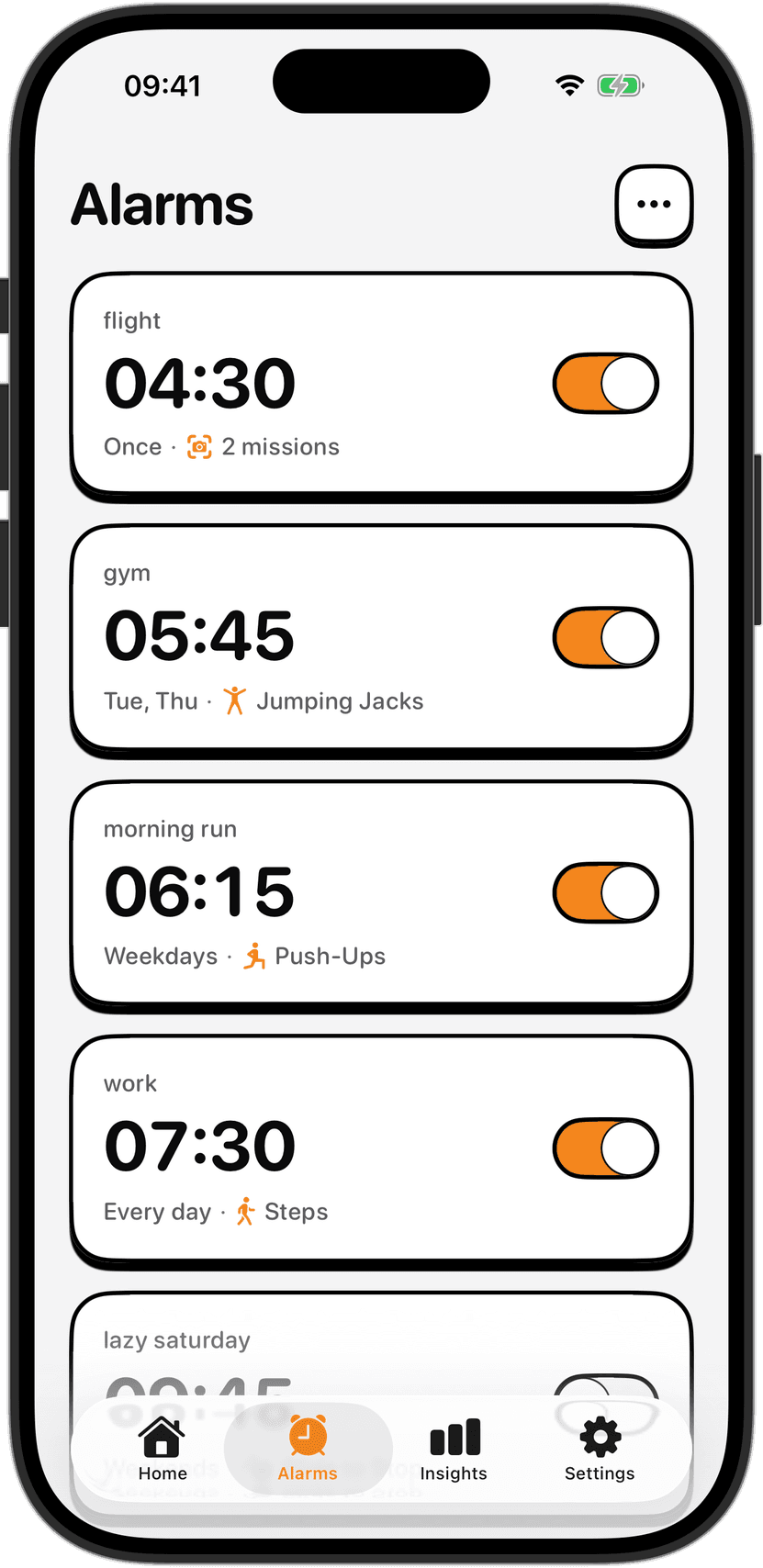
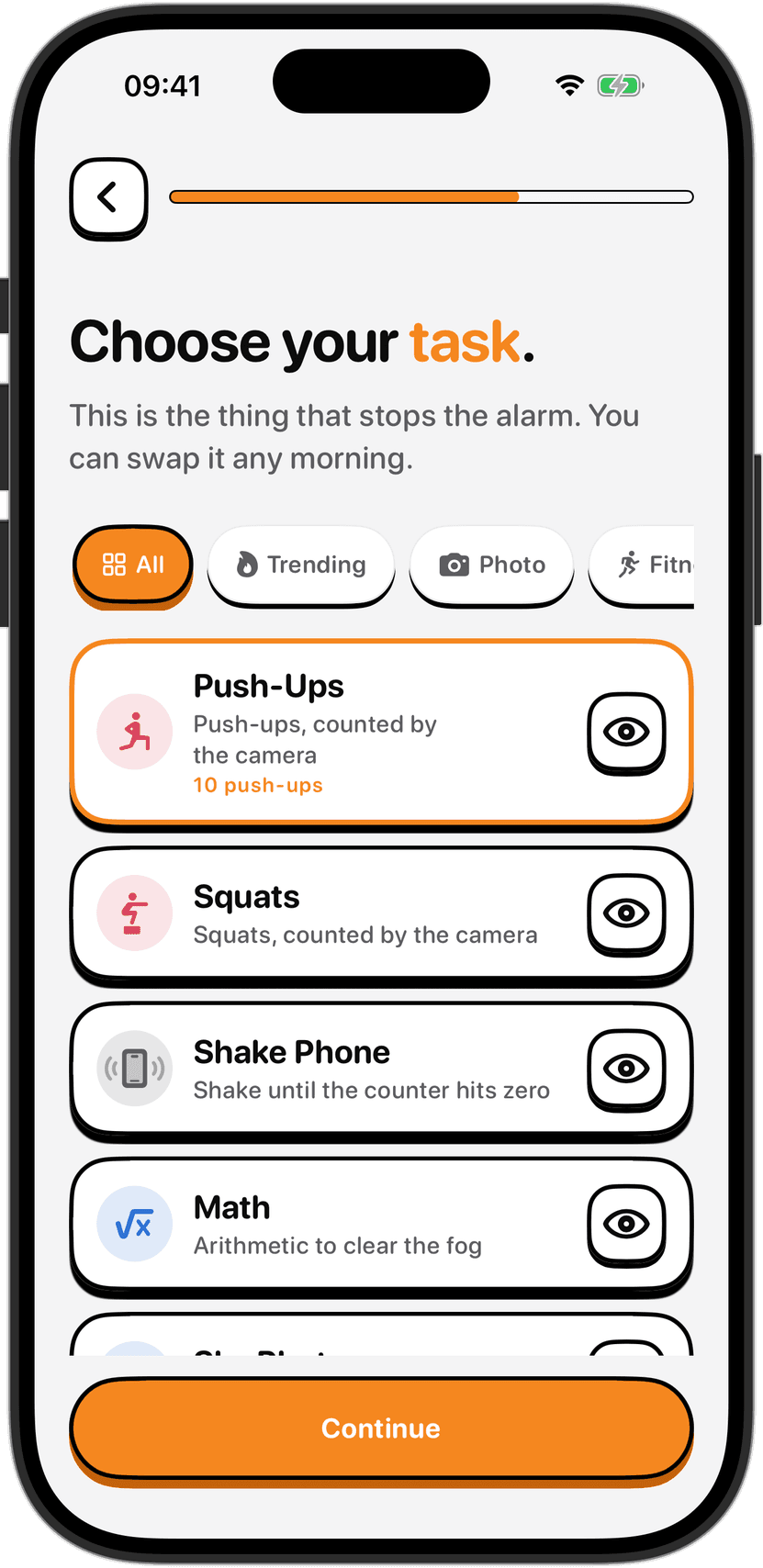
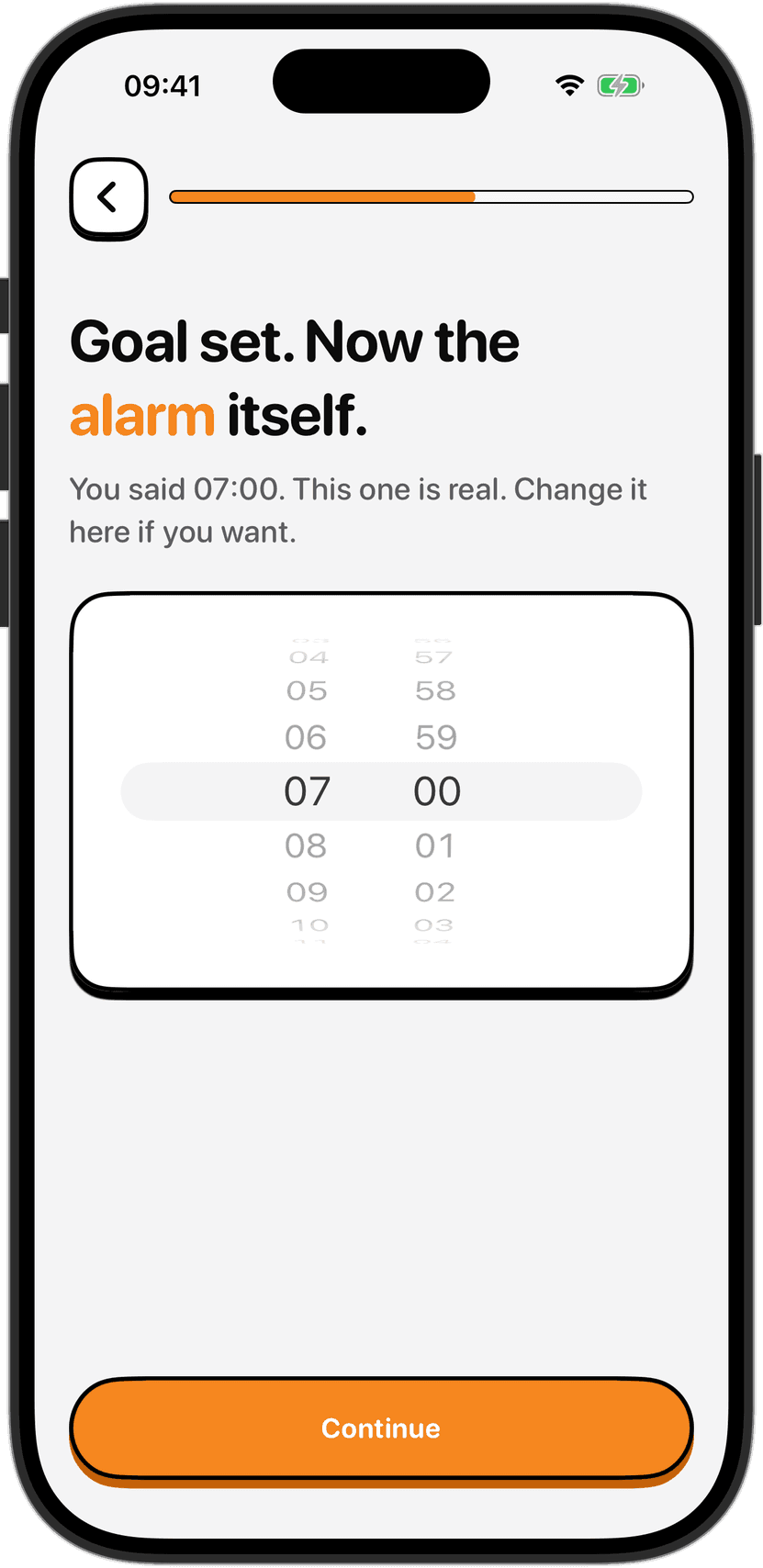
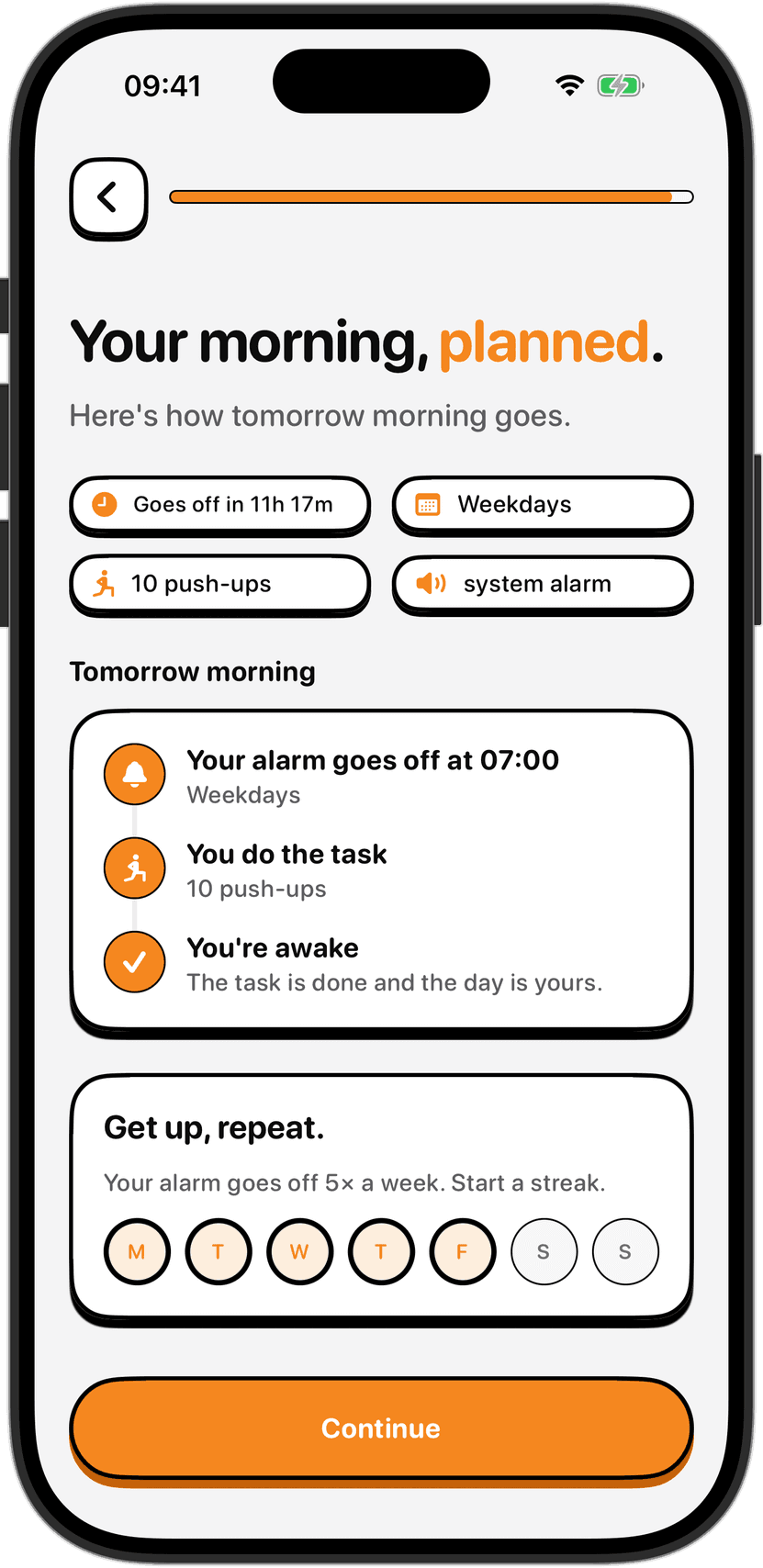
Deciding the wake time the night before, while the decision-making part of the brain is still switched on, helps regardless of what actually does the waking. That's the same problem NoNap is built to remove: one alarm, chosen the night before along with a wake task such as a few push-ups, a math problem or a photo of the made bed, so getting up isn't left to a groggy negotiation at 6:30. Anyone picking a physical task should choose one they can do safely half awake, keep clear space around them, and switch to something gentler like Math if anything about it feels wrong.
A later body clock during adolescence isn't a discipline problem, and it won't be fixed by a stricter bedtime alone. It responds to the same tools that work for the rest of us, applied earlier and more patiently: gradual shifts, morning light, a wake time that holds on weekends too. Given a couple of weeks head start, most teenagers can meet the school year at a time their body is actually ready to be up.
Sources
National Research Council (US) and Institute of Medicine (US) Forum on Adolescence; Graham MG, editor. Sleep Needs, Patterns, and Difficulties of Adolescents: Summary of a Workshop. Washington, DC: National Academies Press, 2000. Chapter: Adolescent Sleep Patterns and Daytime Sleepiness. ncbi.nlm.nih.gov/books/NBK222804/
American Academy of Sleep Medicine. School Start Times. AASM advocacy page, accessed September 2026. aasm.org/advocacy/initiatives/school-start-times/
Wheaton AG, Jones SE, Cooper AC, Croft JB. Short Sleep Duration Among Middle School and High School Students: United States, 2015. MMWR Morbidity and Mortality Weekly Report, 2018;67(3):85-90. doi.org/10.15585/mmwr.mm6703a1
Bommersbach TJ, Olfson M, Rhee TG. Insufficient Sleep Among US Adolescents Across Behavioral Risk Groups. JAMA, 2026;335(13):1173-1176. doi.org/10.1001/jama.2026.1417
Centers for Disease Control and Prevention. Sleep and Health. CDC Physical Activity and Physical Education, accessed September 2026. cdc.gov/physical-activity-education/staying-healthy/sleep.html
Sleep Foundation. How to Go to Sleep Earlier: 7 Tips to Reset Your Sleep Schedule. sleepfoundation.org/sleep-hygiene/how-to-go-to-sleep-earlier
Image credits
Cover photo by insung yoon on Unsplash (unsplash.com/photos/round-black-and-white-analog-alarm-clock-w2JtIQQXoRU), used under the Unsplash License, which permits commercial use without attribution.