Why warm feet help you fall asleep
How a simple temperature change in your extremities triggers sleep onset, backed by 25 years of sleep science.
Visana Studios
5 min read
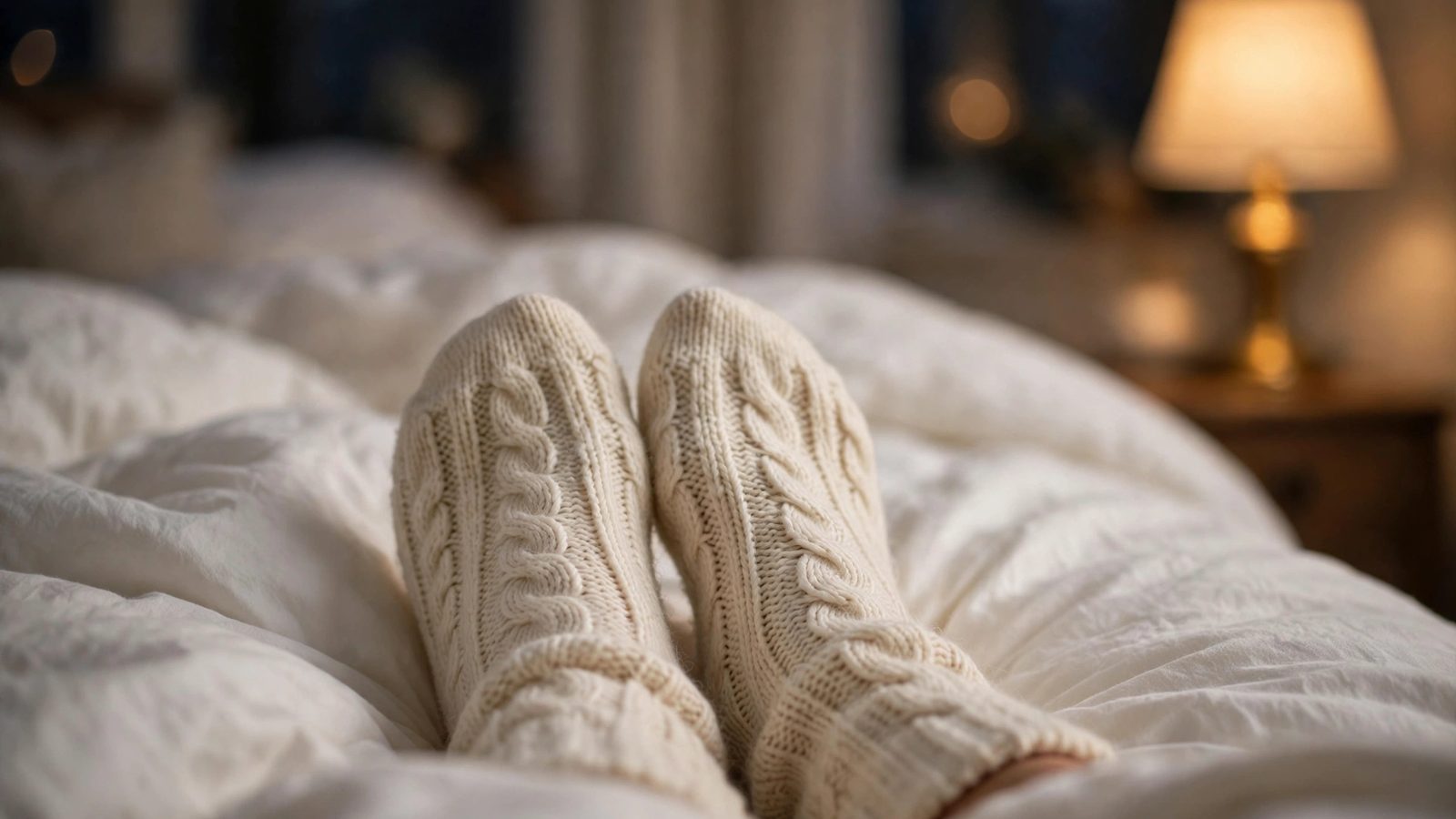
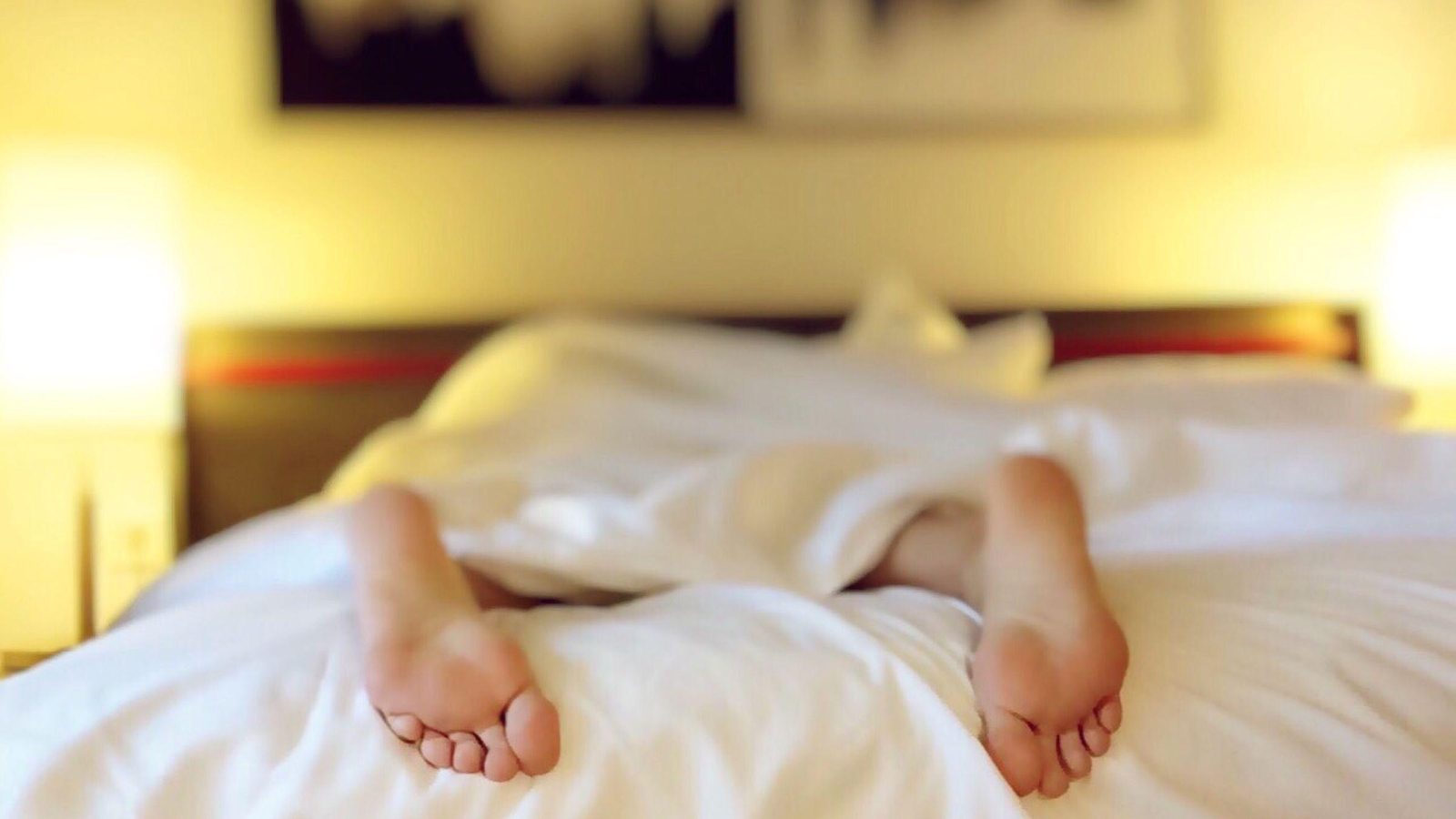
When you slip into bed, warmth spreads from your legs up through your body. Within minutes, your feet grow warmer under the blanket. Across the sleep lab, the first person falls asleep. The second takes longer. The only difference on their sleep monitors is one thing: foot temperature.
The discovery that warm feet shorten sleep onset
In 1999, Kräuchi and colleagues at the University of Basel published a striking finding in Nature. They had people wear gloves and socks in a warm chamber, then removed them. The moment the covering came off, sleep latency increased. Put the socks back on, and sleep came faster. The effect was direct and repeatable. Warm feet did not just feel nice. They triggered sleep onset through measurable changes in how the body managed heat.
The mechanism works through something sleep researchers call the distal-proximal skin temperature gradient, a gradient between the skin of your extremities and your core. When your feet and hands are warm relative to your core body temperature, blood vessel dilation in those areas speeds up. That widening of blood vessels pulls heat from the core to the periphery, lowering core temperature in a way that mimics the natural temperature drop that must happen for sleep to start. The brain reads this drop as permission to start sleeping.
Putting the mechanism to work in practice
In 2018, Ko and Lee at Ewha Womans University ran a careful study with six young men in a cool bedroom. Half the nights they wore regular bed socks. Half they did not. The socks did not change core temperature at all, but they did their job on the periphery.
The results were concrete. Sleep-onset latency dropped by 7.5 minutes when wearing socks. Total sleep time gained 32 minutes. The number of awakenings cut in half. Sleep efficiency rose by 7.6 percent. The foot temperature increase was just 1.3 degrees Celsius, yet that small change shaped the whole night.
The Ko and Lee study worked because wearing warm socks in a cool room created the exact gradient sleep needs. Your core stays regulated. Your extremities warm. The path to sleep opens.
The case for warm showers or baths before bed
If socks work by keeping feet warm through the night, what about raising body temperature before sleep? That sounds backward, but it works through the same principle. A 2019 meta-analysis by Haghayegh and colleagues in Sleep Medicine Reviews pulled together dozens of studies on warm showers and baths taken 1 to 2 hours before bed. The evidence was consistent and compelling. Warm passive body heating shortened sleep onset and improved sleep quality across nearly all studies.
The timing matters. A hot shower right before bed keeps your core temperature elevated when it should be dropping, which delays sleep. But a warm shower 60 to 90 minutes before sleep triggers a powerful response. Your body temperature rises during the shower, then falls sharply afterward. That drop signals the beginning of sleep.
The water temperature need not be extreme. 38 to 40 degrees Celsius (100 to 104 degrees Fahrenheit) for 10 to 20 minutes works. The key is the contrast: a rise, then a drop.
Room temperature matters alongside foot warmth
Neither warm feet alone nor warm showers alone explain everything. Room temperature sets the stage. In the Ko and Lee study, the bedroom was 23 degrees Celsius (73 degrees Fahrenheit), cool enough that bed socks made a difference. In a warm room, socks add less. The gradient between skin and air determines whether extra warmth at the periphery can create the distal-proximal slope the brain needs.
If your bedroom runs cool, warm socks or a warm shower before bed will deepen that gradient. If your room is already warm, they add less. The effect scales with the gap between your extremities and your surroundings.
Linking this to sleep consistency
Waking at a consistent time each morning trains the body to prepare for sleep at a consistent time each night. Temperature regulation is part of that training. Your body clock begins to expect a temperature drop around your bedtime, and when that drop comes (whether from cool air, warm feet creating a gradient, or a post-shower temperature fall), the brain recognizes the signal and moves toward sleep.
Erratic sleep schedules muddle this signal. A consistent wake time anchors everything else, including the precise timing at which your body temperature begins to dip and your extremities begin to dilate in preparation for rest. That is why people who wake at the same time every morning, even on weekends, often find that sleep comes more easily when they do the same bedtime routine week after week.
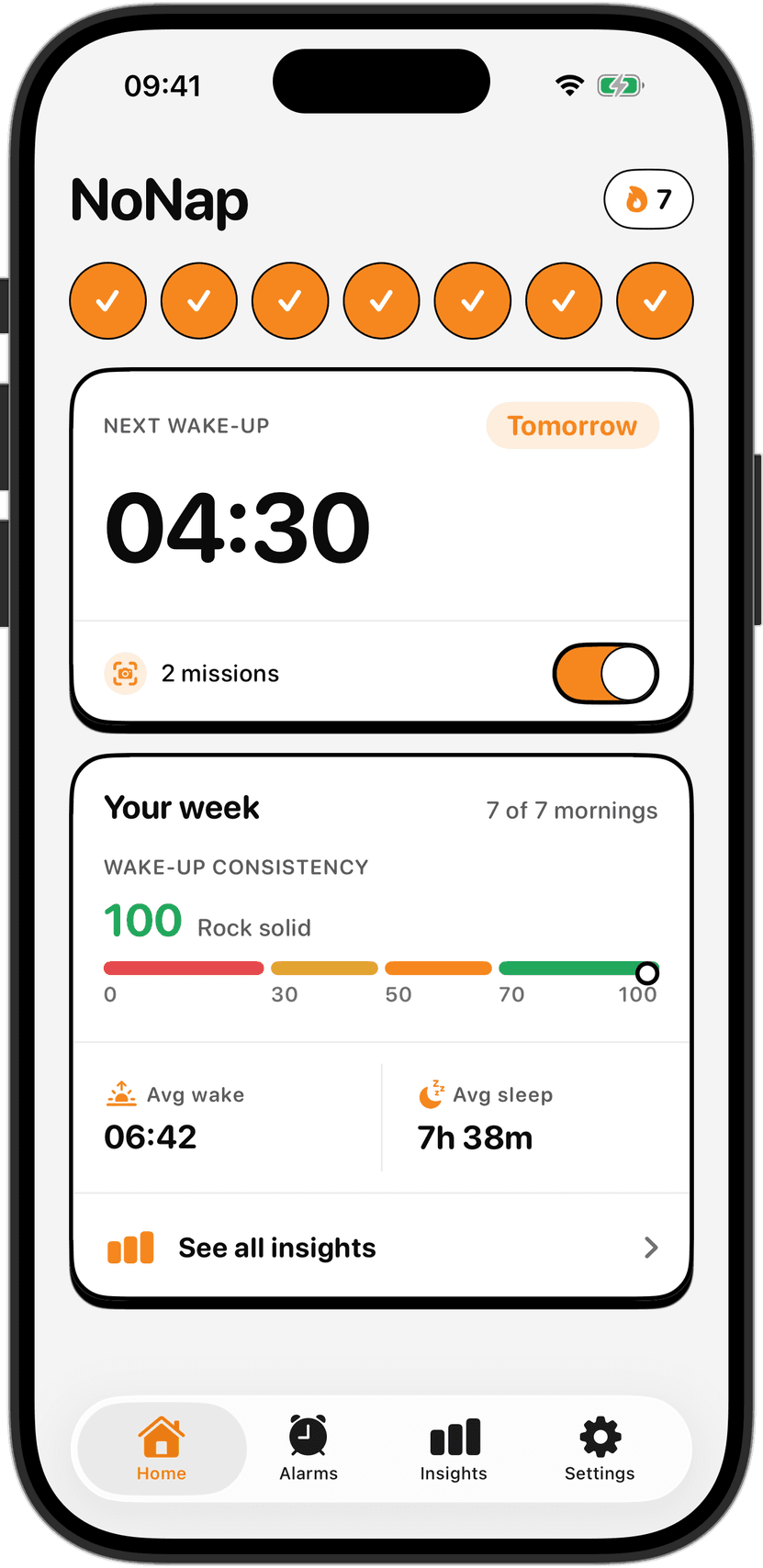
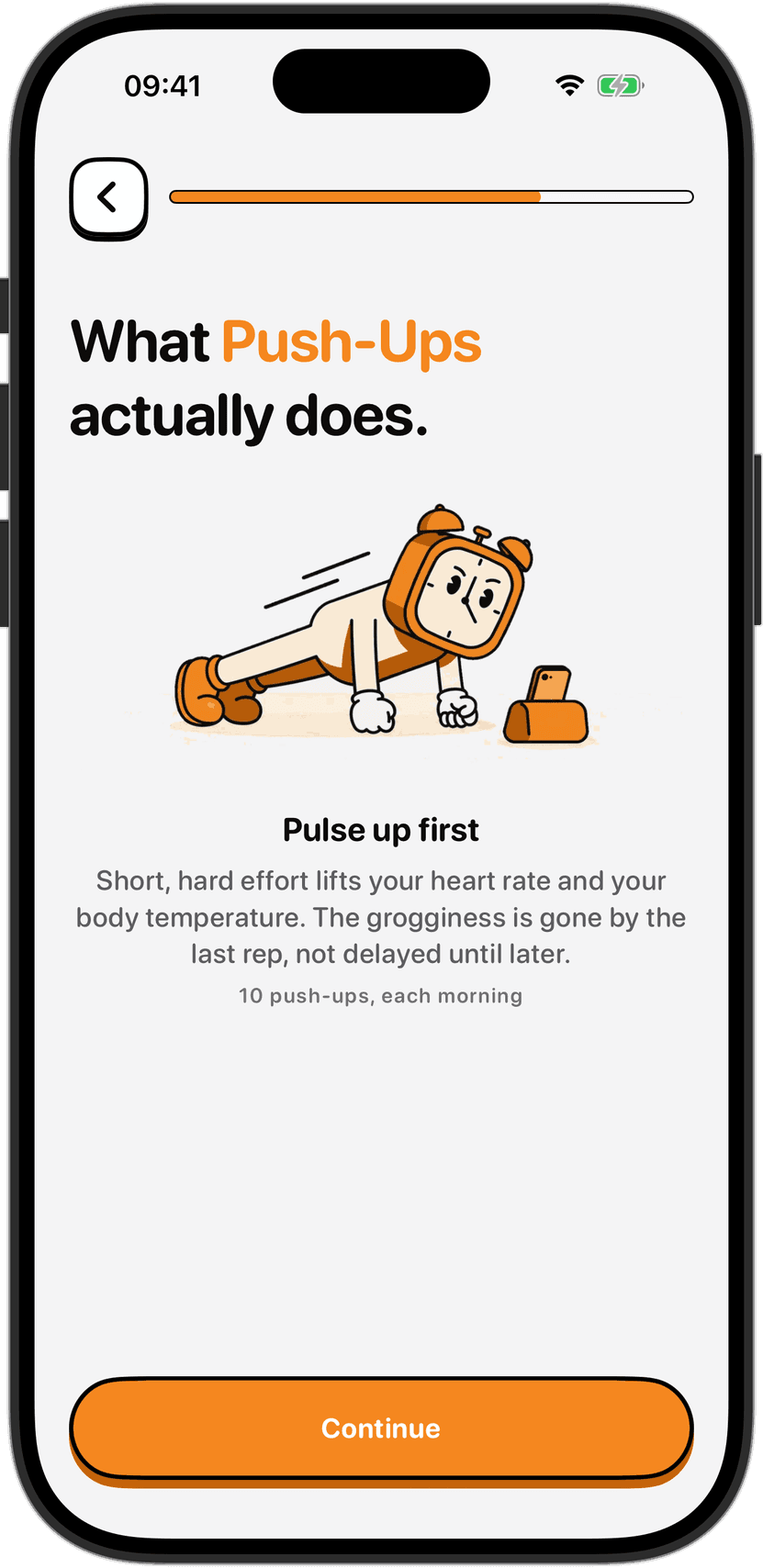
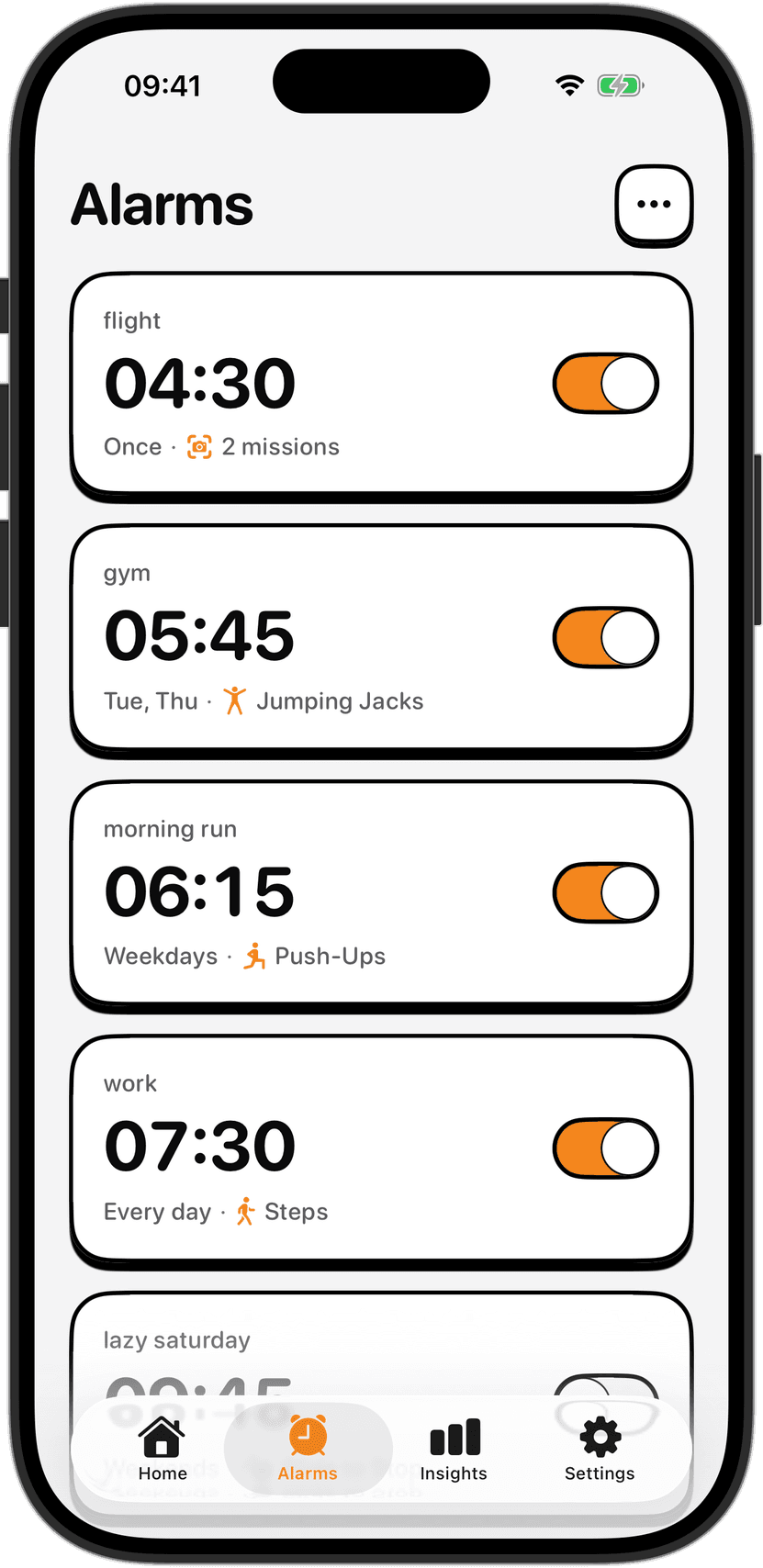
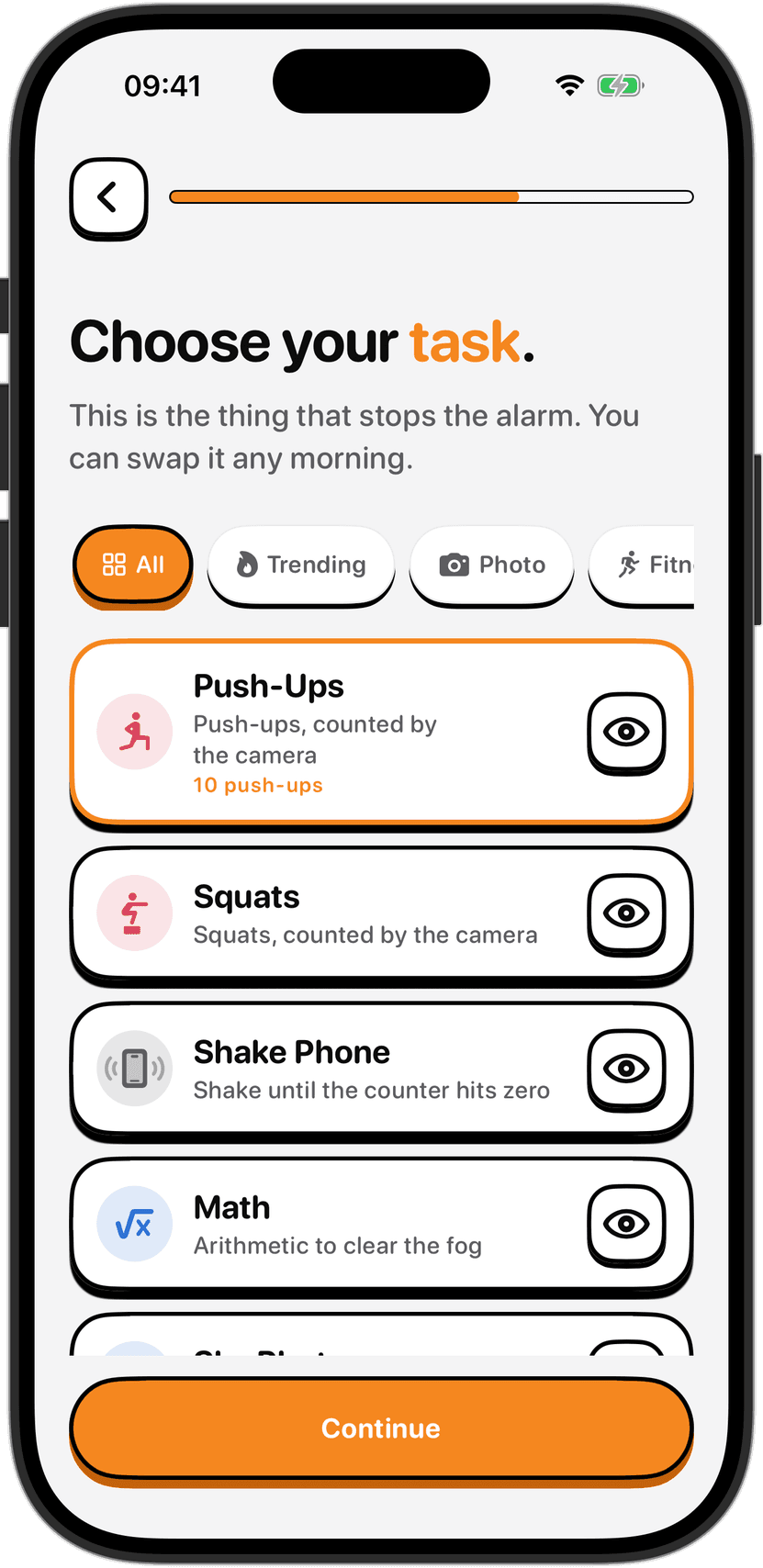
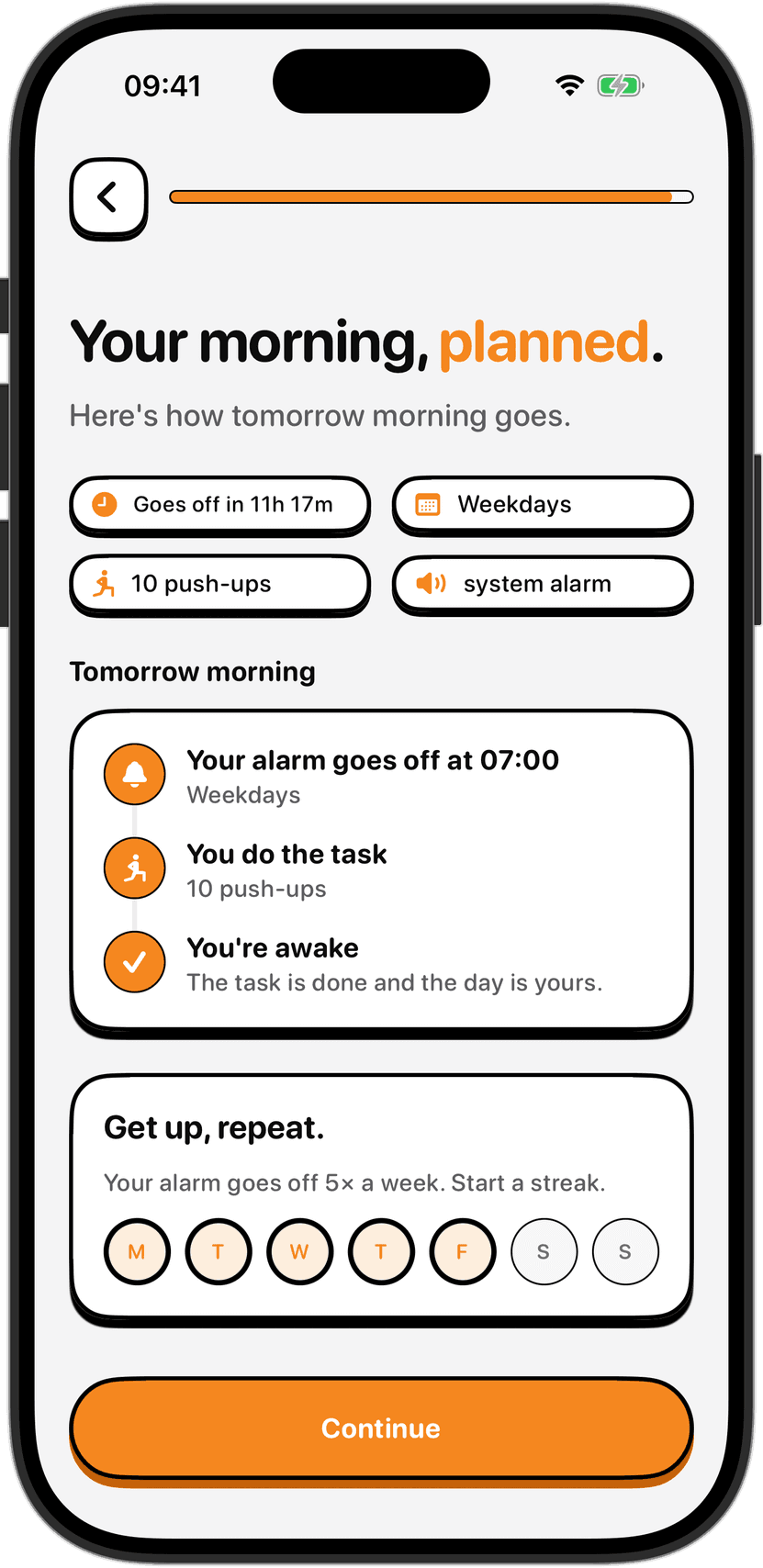
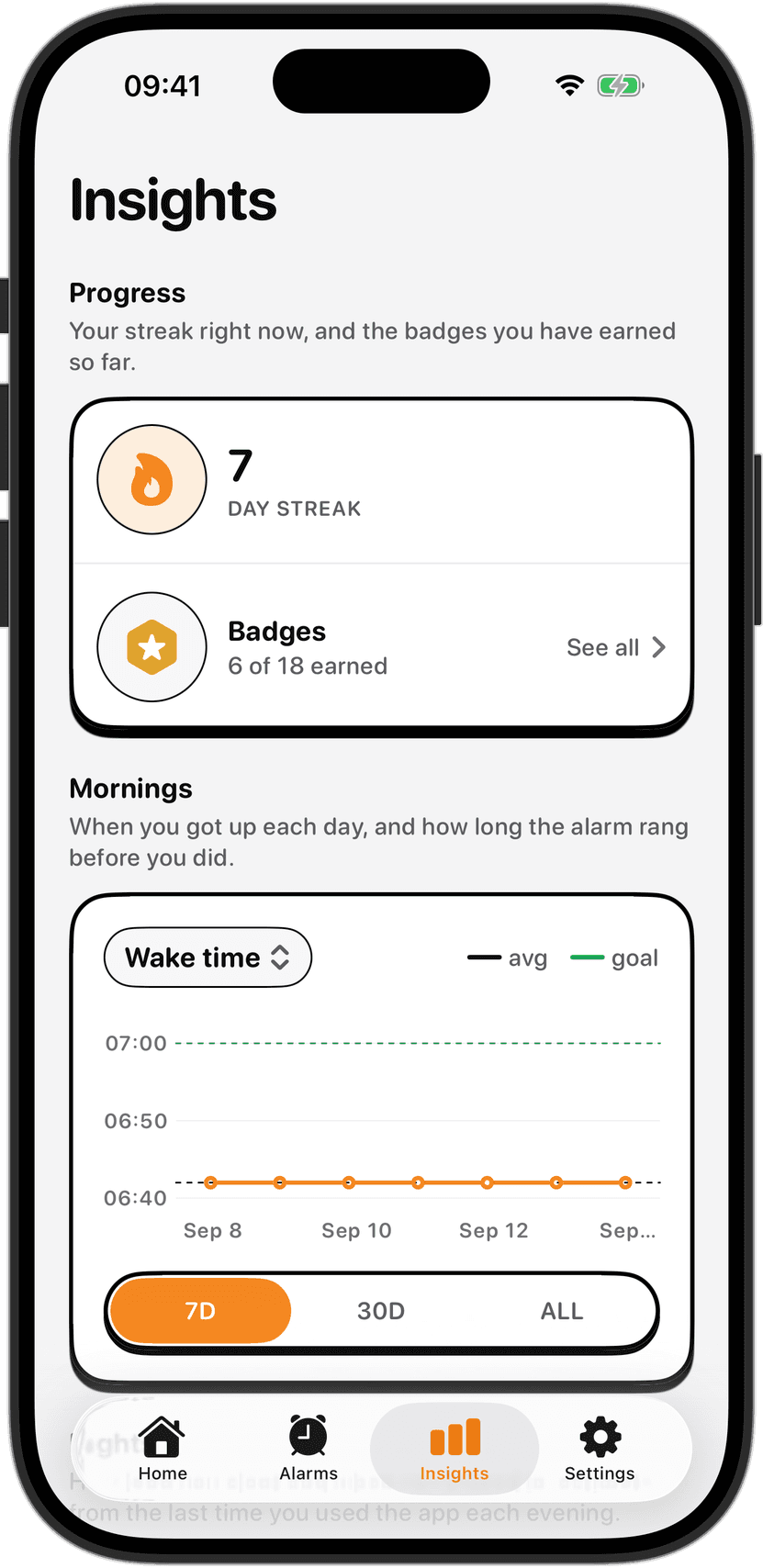
The temperature effects described by Kräuchi and tested by Ko and Lee are strongest when working alongside a fixed wake time, which resets the body's entire circadian rhythm. NoNap is built around a single alarm at a consistent wake time, which is the strongest anchor for sleep timing. Stopping it requires finishing a brief wake task, which also establishes a sharp boundary between sleep and waking and forces the body to complete the neurological transition to wakefulness. When wake time holds steady over weeks and months, the body's temperature rhythm settles into a predictable pattern that makes sleep onset faster and more reliable. Warm feet or a warm bath will work better when paired with this consistent morning wake time, since the body expects the temperature signal to arrive at the same time each evening.
Sources
Kräuchi, K., Cajochen, C., Werth, E., and Wirz-Justice, A. (1999). Warm feet promote the rapid onset of sleep. Nature, 401(6748), 36-37. nature.com/articles/43029
Ko, Y., and Lee, J.-Y. (2018). Effects of feet warming using bed socks on sleep quality and thermoregulatory responses in a cool environment. Journal of Physiological Anthropology, 37, 13. doi.org/10.1186/s40101-018-0172-z
Haghayegh, S., Khoshnevis, S., Smolensky, M.H., Diller, K.R., and Castriotta, R.J. (2019). Before-bedtime passive body heating by warm shower or bath to improve sleep: A systematic review and meta-analysis. Sleep Medicine Reviews, 46, 124-135. doi.org/10.1016/j.smrv.2019.04.008