The cortisol awakening response, and why mornings can feel tense
What the cortisol awakening response is, why it happens, what it doesn't mean, and when to talk to a doctor about morning anxiety.
Visana Studios
5 min read

For the first 30 to 45 minutes after you wake up, cortisol levels in your blood climb. This is not a sign of illness or stress disorder. It is a normal physiological event called the cortisol awakening response, and it happens to most people every single morning.
What the cortisol awakening response actually is
Cortisol is a steroid hormone that your adrenal glands release throughout the day in response to demands on the body. It is not a stress hormone in itself. Cortisol prepares you to move and think: it raises blood sugar, increases heart rate and blood pressure, and makes glucose available to muscles and the brain. You need it to function.
The cortisol awakening response, or CAR, is the normal spike in cortisol that occurs within the first hour after waking. In most people, this rise is strongest between 15 and 45 minutes after getting out of bed, then gradually declines through the rest of the day. Peak levels in the morning are typically two to three times higher than baseline levels in the evening.
Cortisol rises in anticipation of the day ahead. Your brain recognizes that you are now conscious and preparing to face demands: getting out of bed, moving around, staying alert, making decisions. The hormone release is part of your circadian rhythm, the 24-hour biological schedule that syncs your body to the day-night cycle. The same system that keeps you alert during the day and drowsy at night tunes cortisol to spike right when you need it most.
This is why the CAR is strongest on weekdays when you have obligations, and often smaller or absent on mornings when you have nothing planned. The response adjusts to what your brain predicts you will need to do.
What the cortisol awakening response is not
A strong CAR is not a sign that you are stressed. It does not mean your nervous system is broken. It does not mean you have an anxiety disorder. A healthy, normal CAR is actually a sign that your body's stress response system is working as it should.
Many people misinterpret morning tension or that "racing thoughts" feeling as evidence of a cortisol problem. But cortisol itself does not cause anxiety. The rise in alertness and energy that cortisol brings can feel uncomfortable if you are not used to it, especially if you wake abruptly or are rushed. That discomfort does not indicate that the hormone is abnormal.
The cortisol awakening response is also independent of how well you slept the night before or how much sleep you usually get. A poor night's sleep affects next-day sleepiness, but research shows that the CAR curve remains fairly stable regardless. One study tracking people after partial sleep deprivation found their cortisol awakening response was essentially unchanged, even though they felt exhausted. This is separate from sleep inertia, the grogginess that fades within the first hour or so after waking.
When the cortisol awakening response does flatten out
A blunted cortisol awakening response, where the morning rise is unusually small or absent, is more informative. A consistently flat CAR has been linked to chronic stress, severe burnout, depression, and some autoimmune conditions. It signals that the body's anticipatory system has become dysregulated, often after prolonged strain.
Persistent morning anxiety or dread, on the other hand, can indicate that anticipatory stress is running high. That is different from the normal cortisol rise. When you wake with a racing heart, intense worry about the day, or a sensation that something is very wrong, and this happens most mornings over weeks or months, that is worth mentioning to a doctor. It may point to anxiety disorder, depression, sleep apnea, or other issues that deserve attention.
The distinction matters. A normal morning cortisol spike plus anticipatory anxiety is a signal worth taking seriously. A blunted response without the anxiety can signal burnout or depression just as clearly. Either way, if mornings consistently feel unmanageable, talking to a clinician makes sense.
Making mornings less tense
Since the cortisol awakening response is not itself a problem, trying to suppress it or shift its timing is unlikely to help. The rise in cortisol is supposed to happen. What does help is managing what happens after you wake.
A consistent wake time is the single most powerful anchor for the circadian system. Waking at the same time every day, even on weekends, stabilizes the cortisol rhythm and the entire daily cycle. An irregular schedule pulls the rise out of sync with your needs, which can make mornings feel chaotic.
Light matters. Bright light exposure in the first hour after waking strengthens the circadian signal and coordinates your cortisol rise with your alertness. Morning light is the strongest signal your body clock gets, so opening curtains, going outside, or turning on lights signals to your brain that the day has begun.
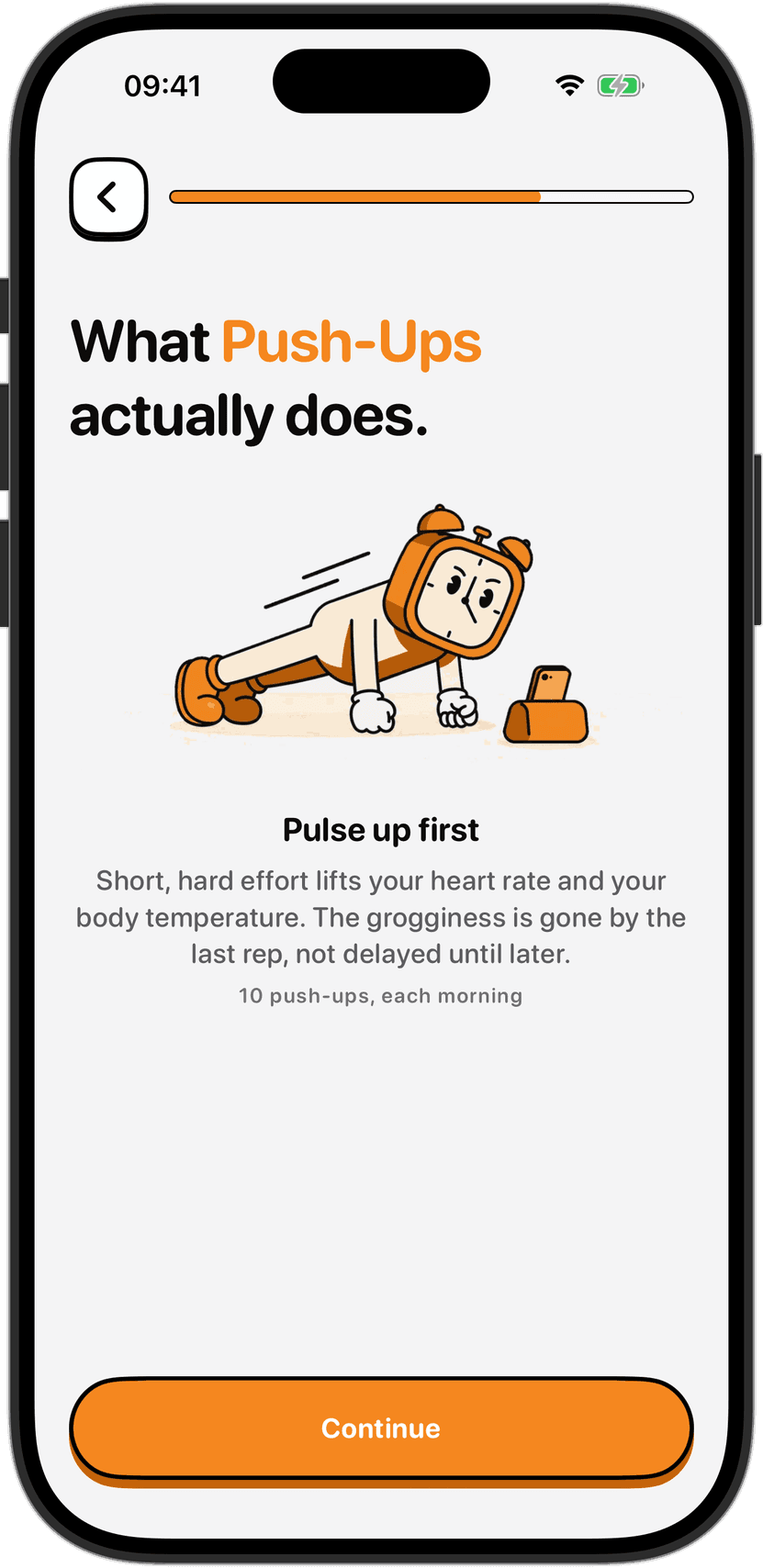
A few minutes of physical activity, even gentle movement, can help distribute the cortisol's energy productively. Exercise raises heart rate and core temperature in step with alertness, which is aligned with what cortisol does. If exercise first thing is not safe for you because of an injury or condition, a walk, a cold shower, or a math problem works similarly by requiring your brain to engage.
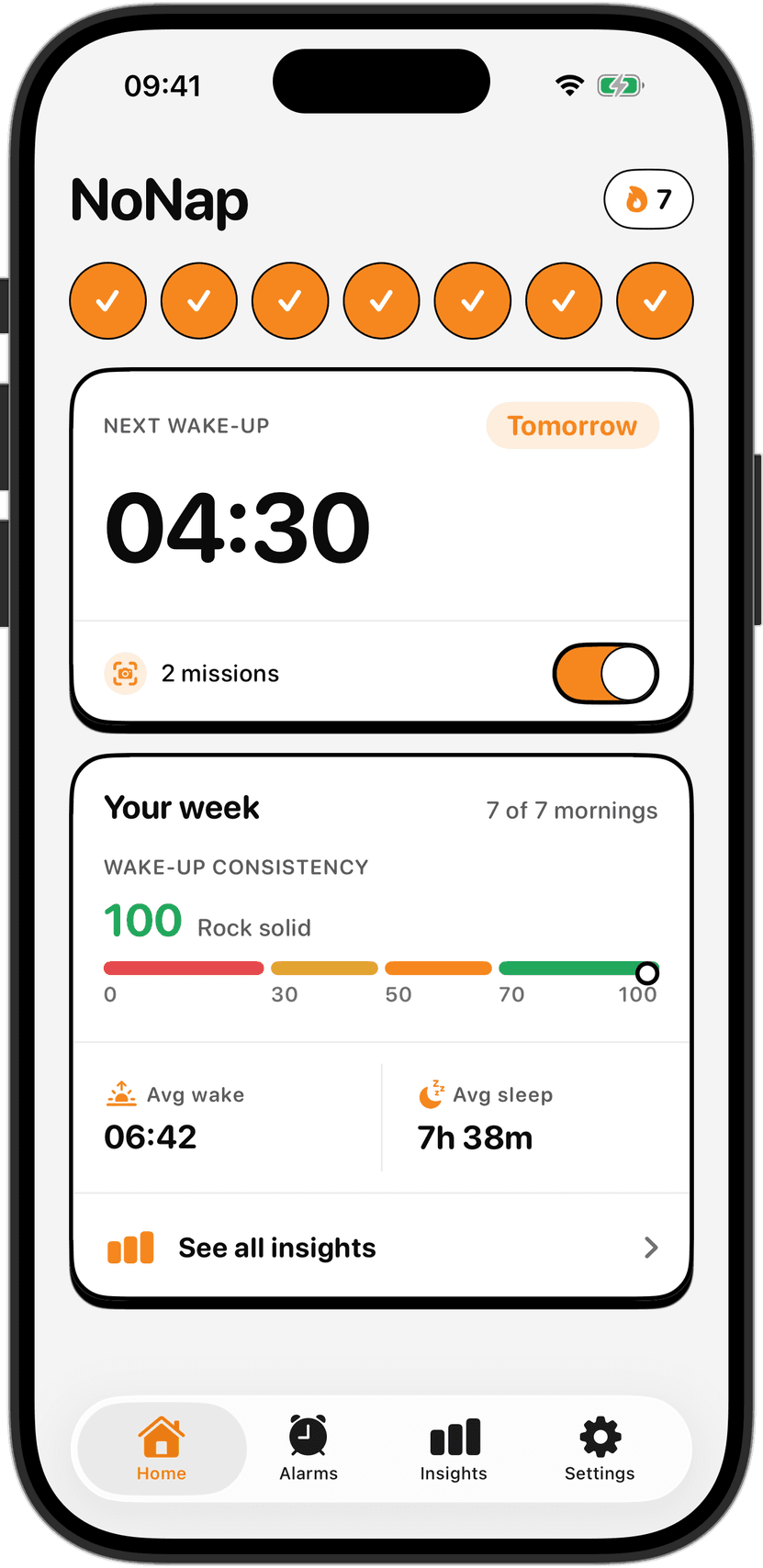
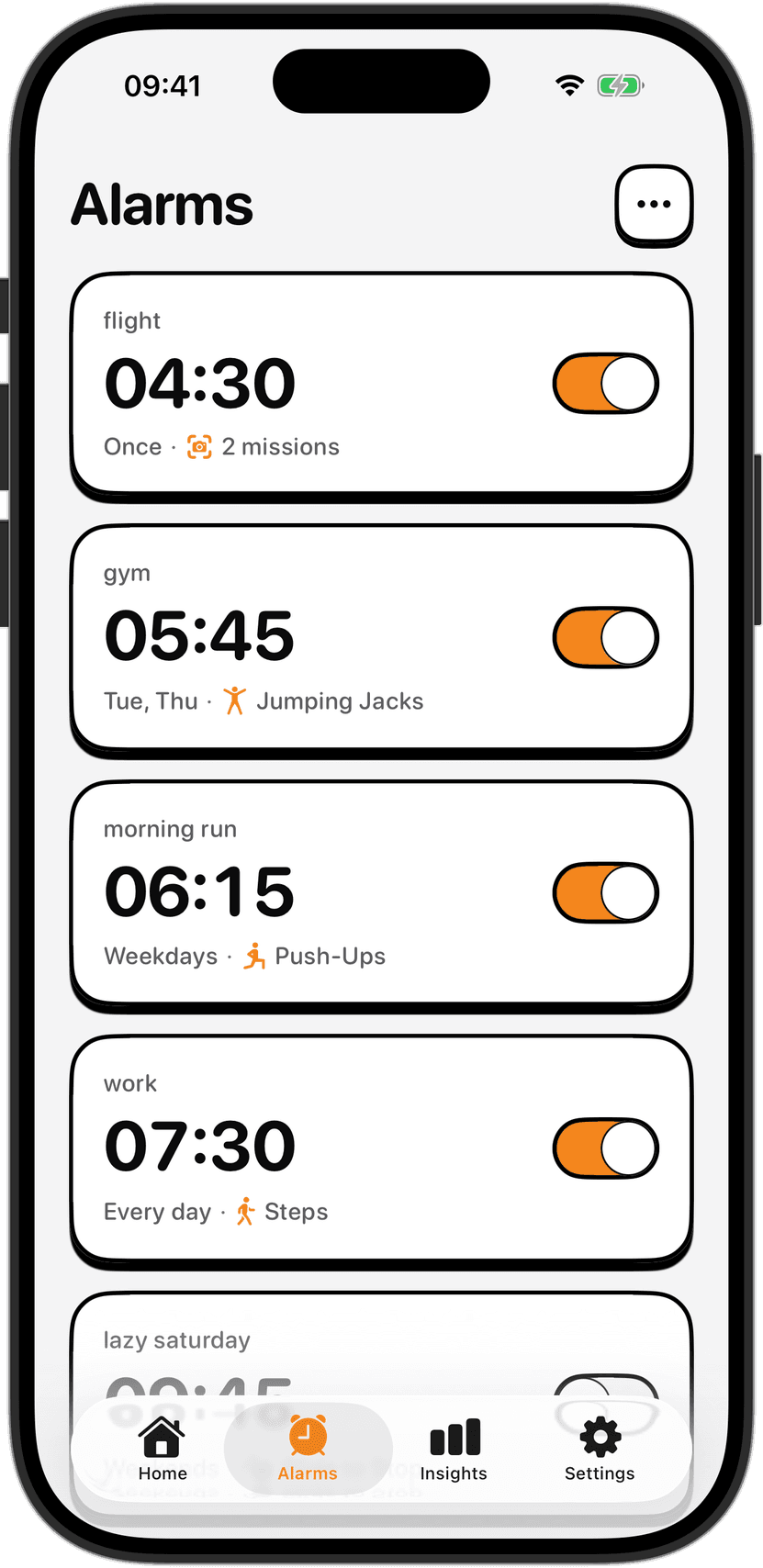
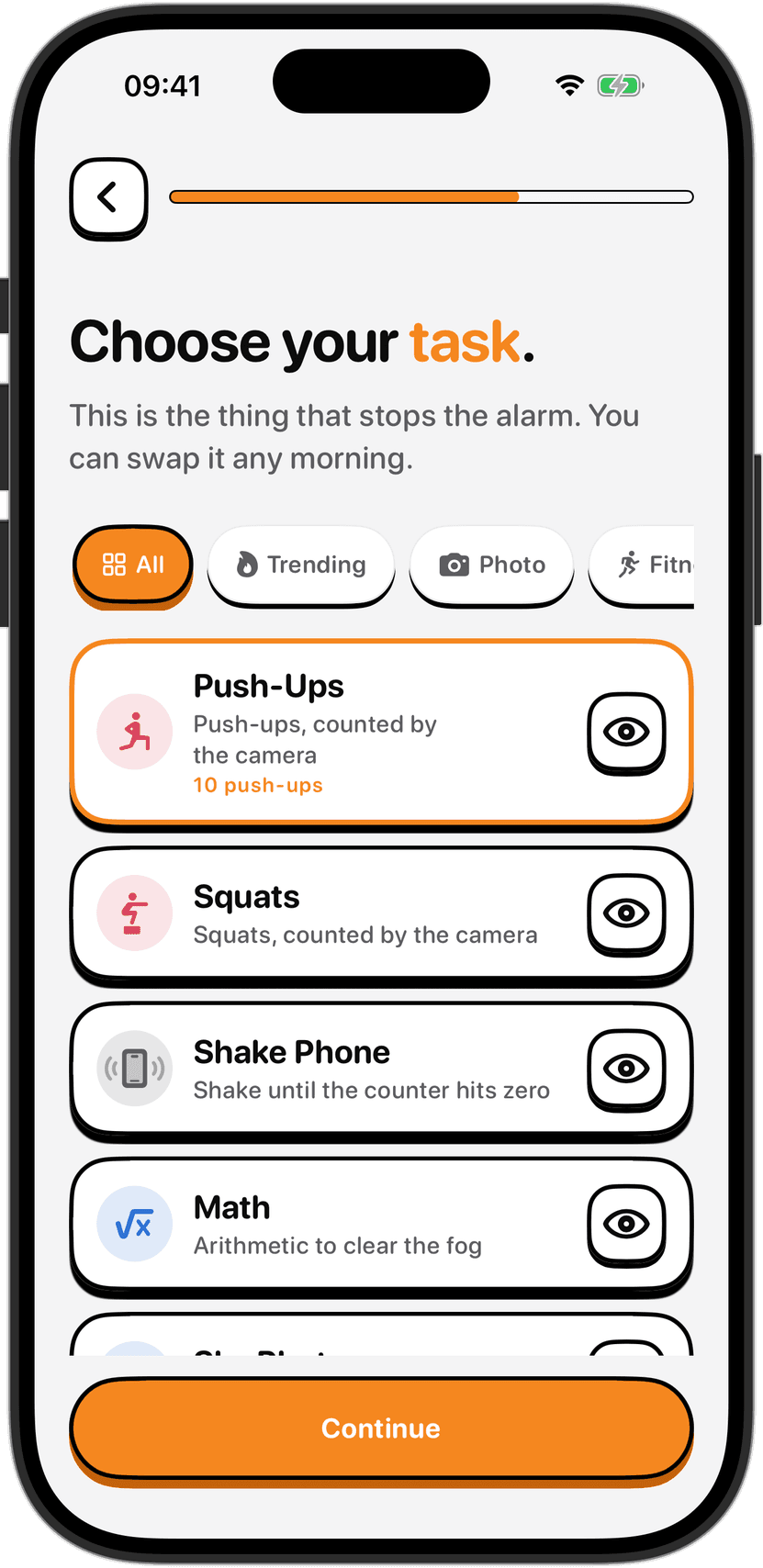
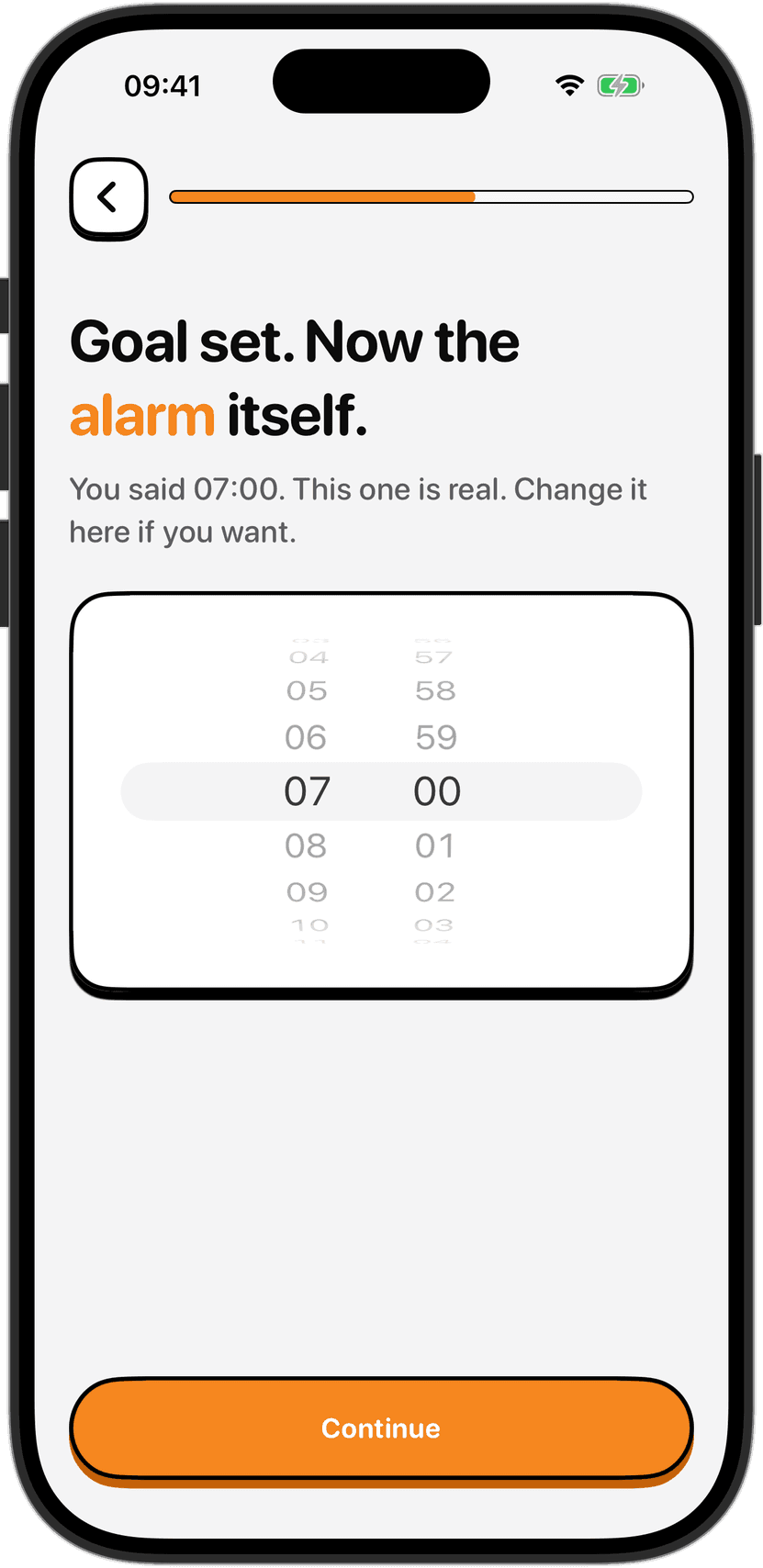
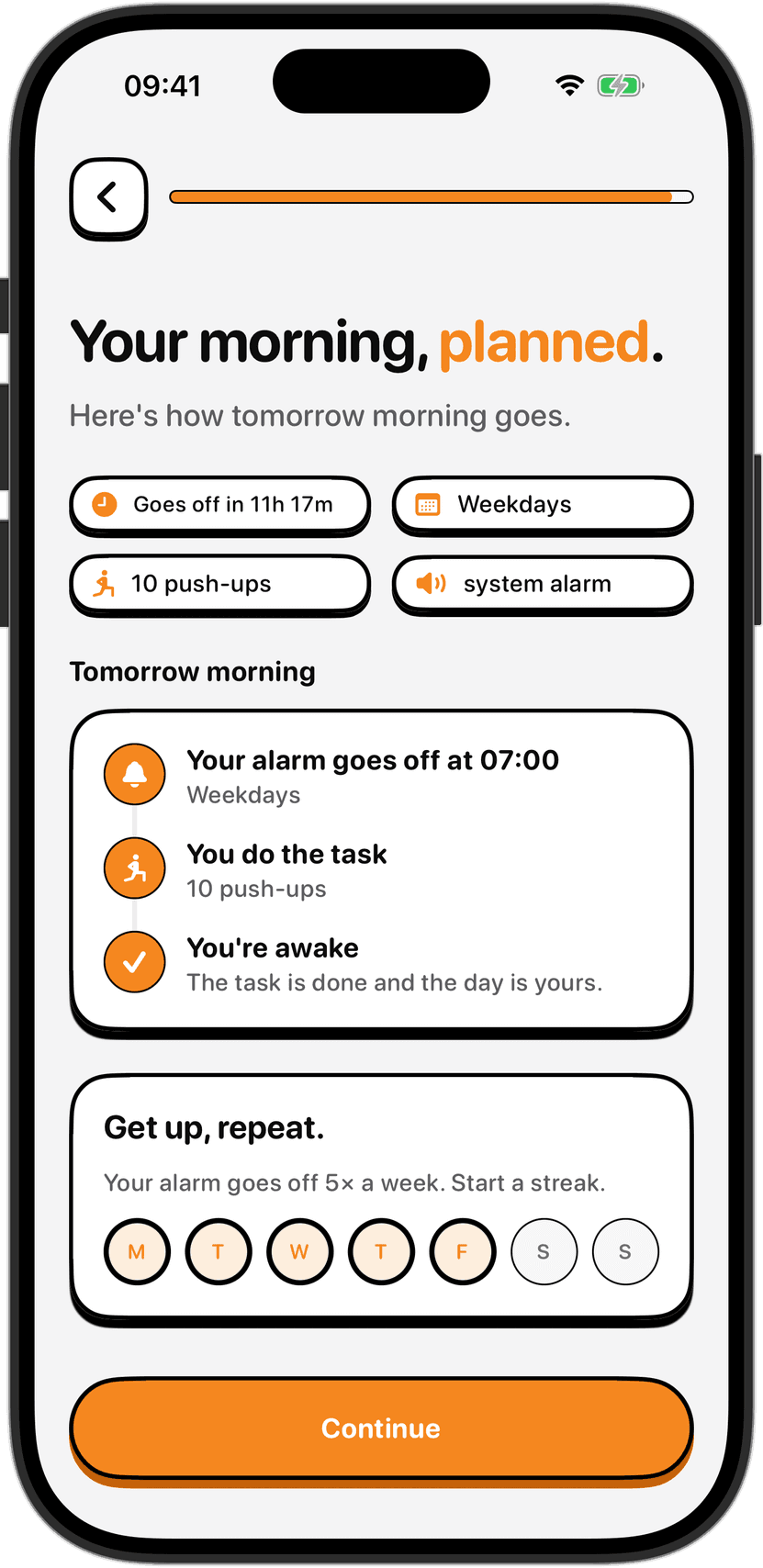
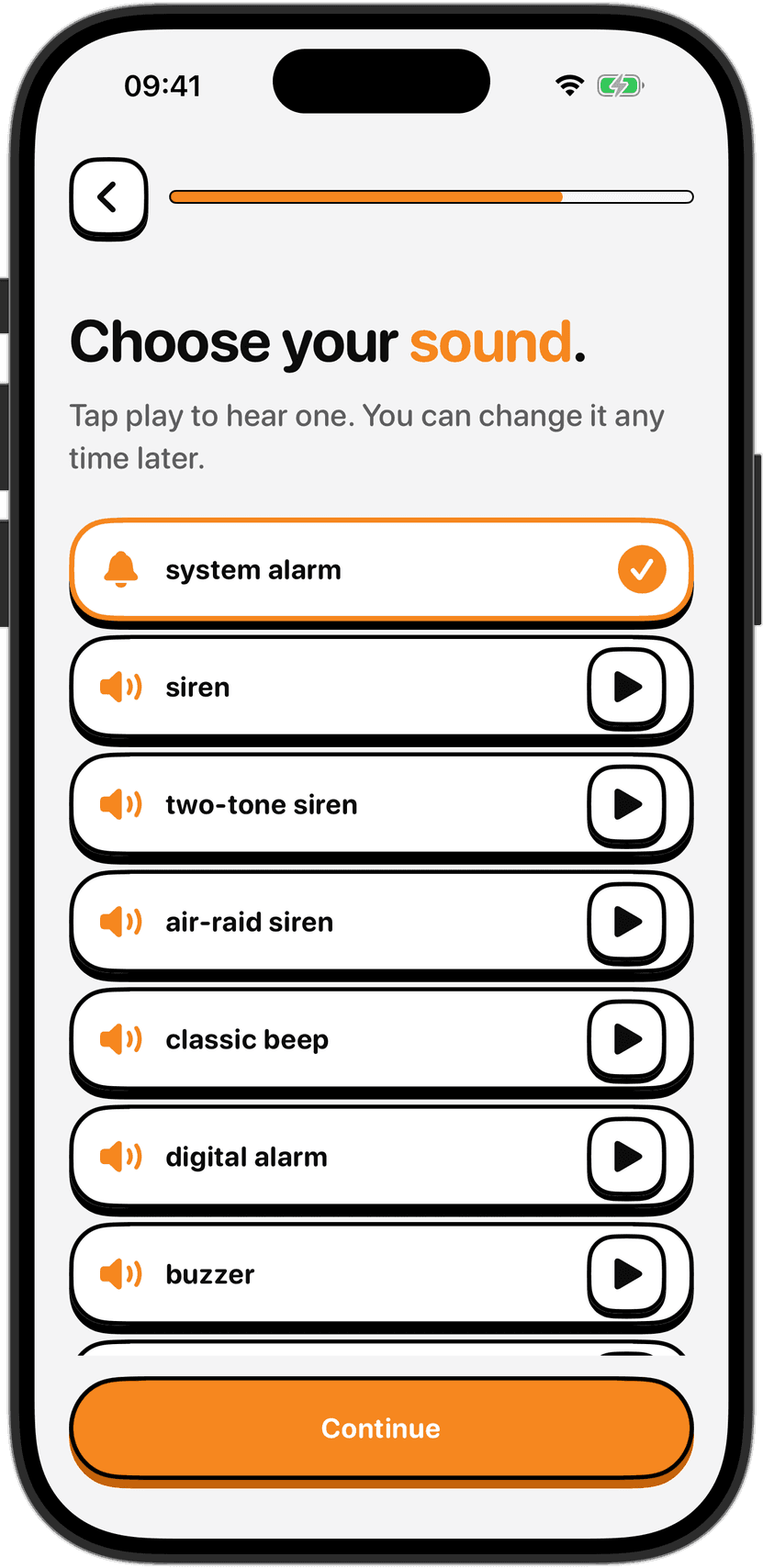
Predictability in your morning routine eases the transition. When your waking task is the same or chosen the night before, your brain does not waste energy deciding whether to get up. NoNap is built on that principle: one alarm with no snooze button, and a clear task to finish before anything else. The task can be push-ups or squats counted by your phone's camera, shaking your phone, solving a math problem, taking a photo, or simply getting out of bed. If exercise first thing is not an option, pick a gentler task. The point is to move the decision-making from 6 a.m., when your prefrontal cortex is still waking up, to the night before.
A persistent sense that mornings are unbearable is not something to live with. If you have tried a consistent wake time, morning light, movement, and routine structure and mornings still feel overwhelming, that is worth discussing with your doctor. Morning anxiety, though common, responds well to treatment once the underlying cause is clear.
Sources
Clow, A., Hucklebridge, F., and Thorn, L. (2010). The cortisol awakening response in context. International Review of Neurobiology, 93, 153-75. https://pubmed.ncbi.nlm.nih.gov/20970005/
Stalder, T., Kirschbaum, C., Kudielka, B. M., et al. (2016). Assessment of the cortisol awakening response: Expert consensus guidelines. Psychoneuroendocrinology, 63, 414-32. https://pubmed.ncbi.nlm.nih.gov/26563991/
Edwards, S., Clow, A., Evans, P., and Hucklebridge, F. (2001). Association between time of awakening and diurnal cortisol secretory activity. Psychoneuroendocrinology, 26(6), 613-22. https://pubmed.ncbi.nlm.nih.gov/11403981/
Law, R., and Clow, A. (2020). Stress, the cortisol awakening response and cognitive function. International Review of Neurobiology, 150, 187-217. https://pubmed.ncbi.nlm.nih.gov/32204832/
Sundelin, T., Landry, S., and Axelsson, J. (2024). Is snoozing losing? Why intermittent morning alarms are used and how they affect sleep, cognition, cortisol, and mood. Journal of Sleep Research, 33(3), e14054. https://pubmed.ncbi.nlm.nih.gov/37849039/